
Nostalgic Candy Bars: Why We Love Them
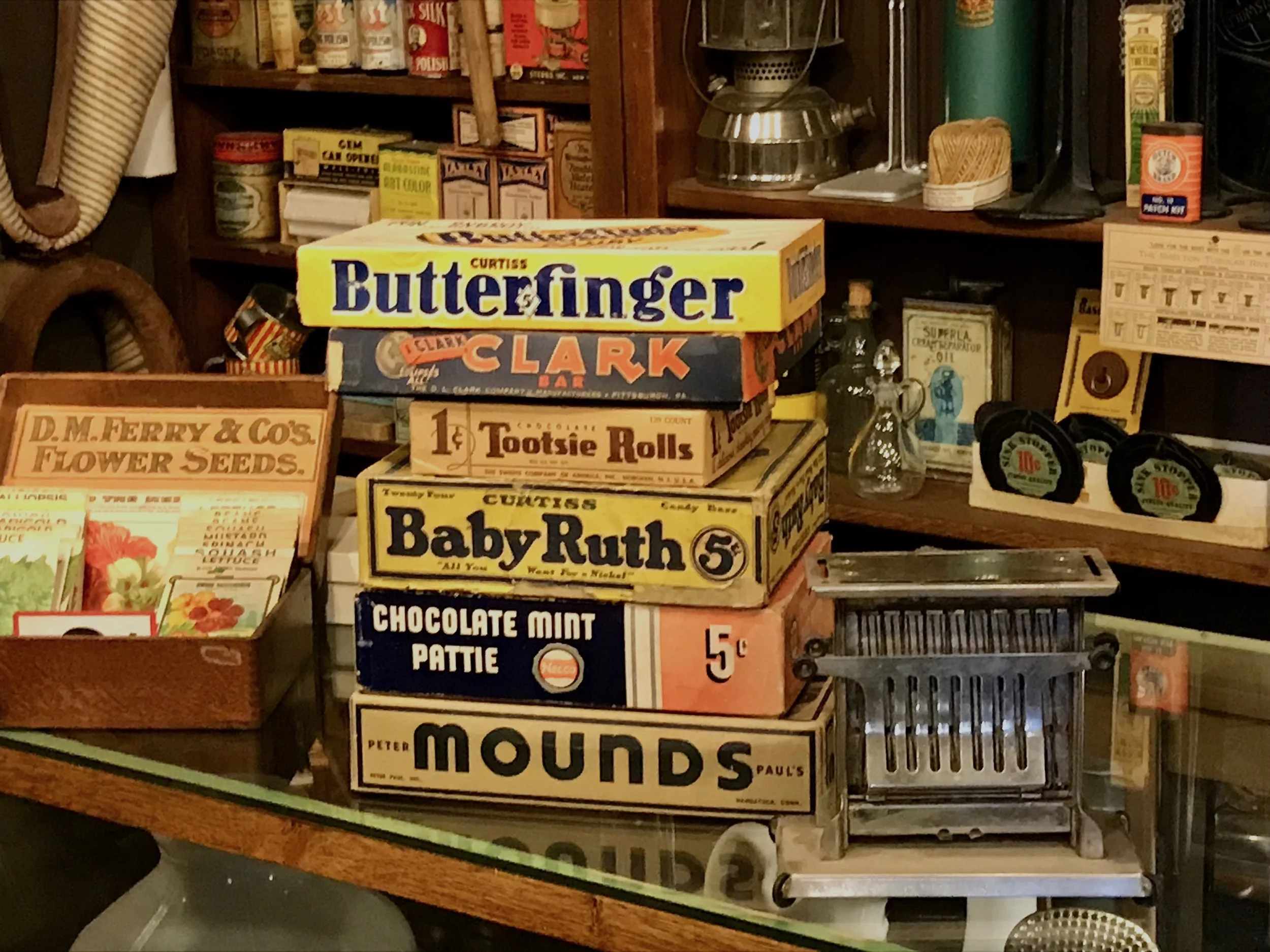
Candy and memory are interconnected. A Marathon candy bar might remind you of your high school days. Maybe you chose a Bar None at a breakroom vending machine at your first job. Or perhaps you can close your eyes and remember exactly how a Mallo Cup tasted, with its gooey, whipped marshmallow center.
Dedicated to Nostalgic Candy Bars
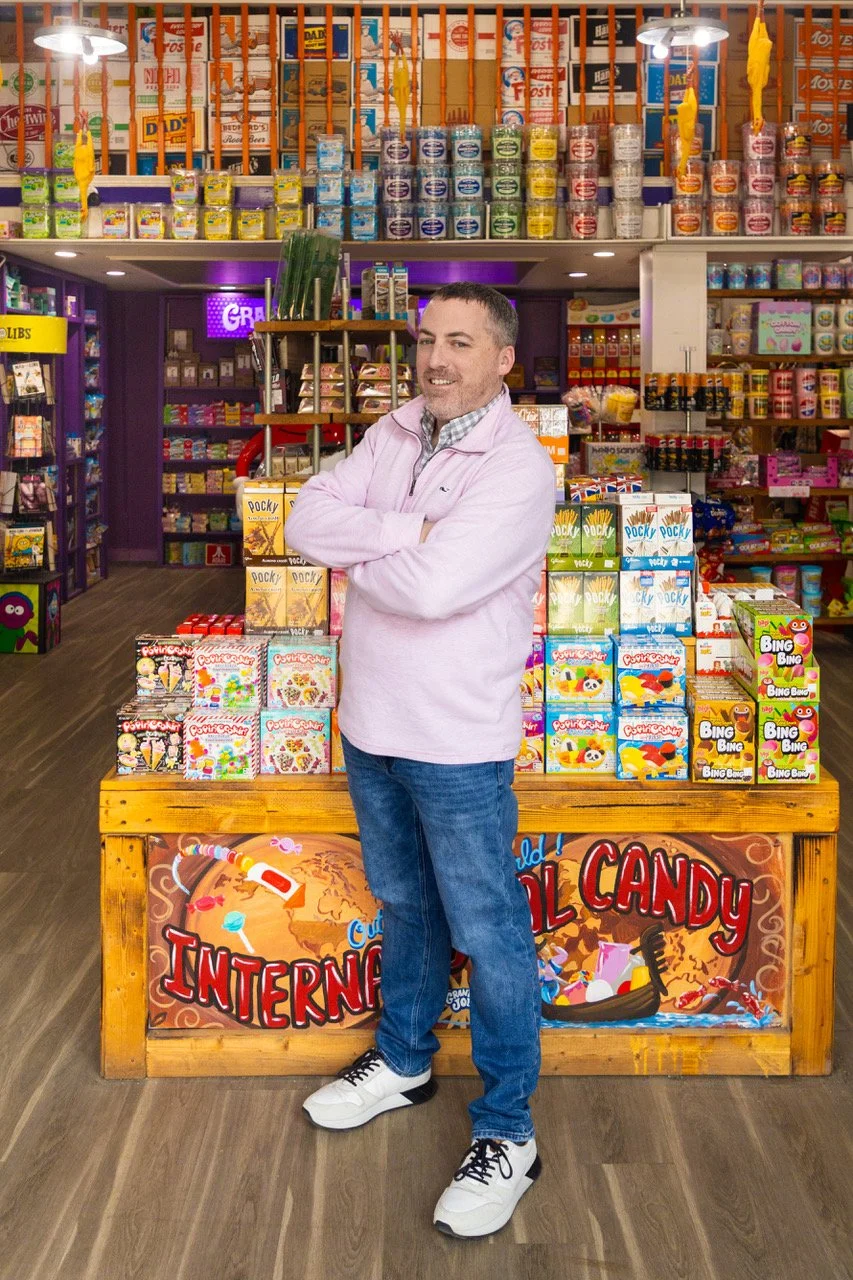
Christopher Beers at Grandpa Joe's
But if Christopher Beers has his way, you can relive the past through the nostalgic chocolate bars that his old-fashioned candy shop, Grandpa Joe’s, carries. Named after Willy Wonka’s grandfather, Beers’ flagship store in Pittsburgh carries over 250 candy bar brands, many of which are hard to find, from the short-lived but re-released Reggie Bar, Sky Bars, Bun Bars, and Goo Goo Clusters, which date back to 1912.
The Clark Bar
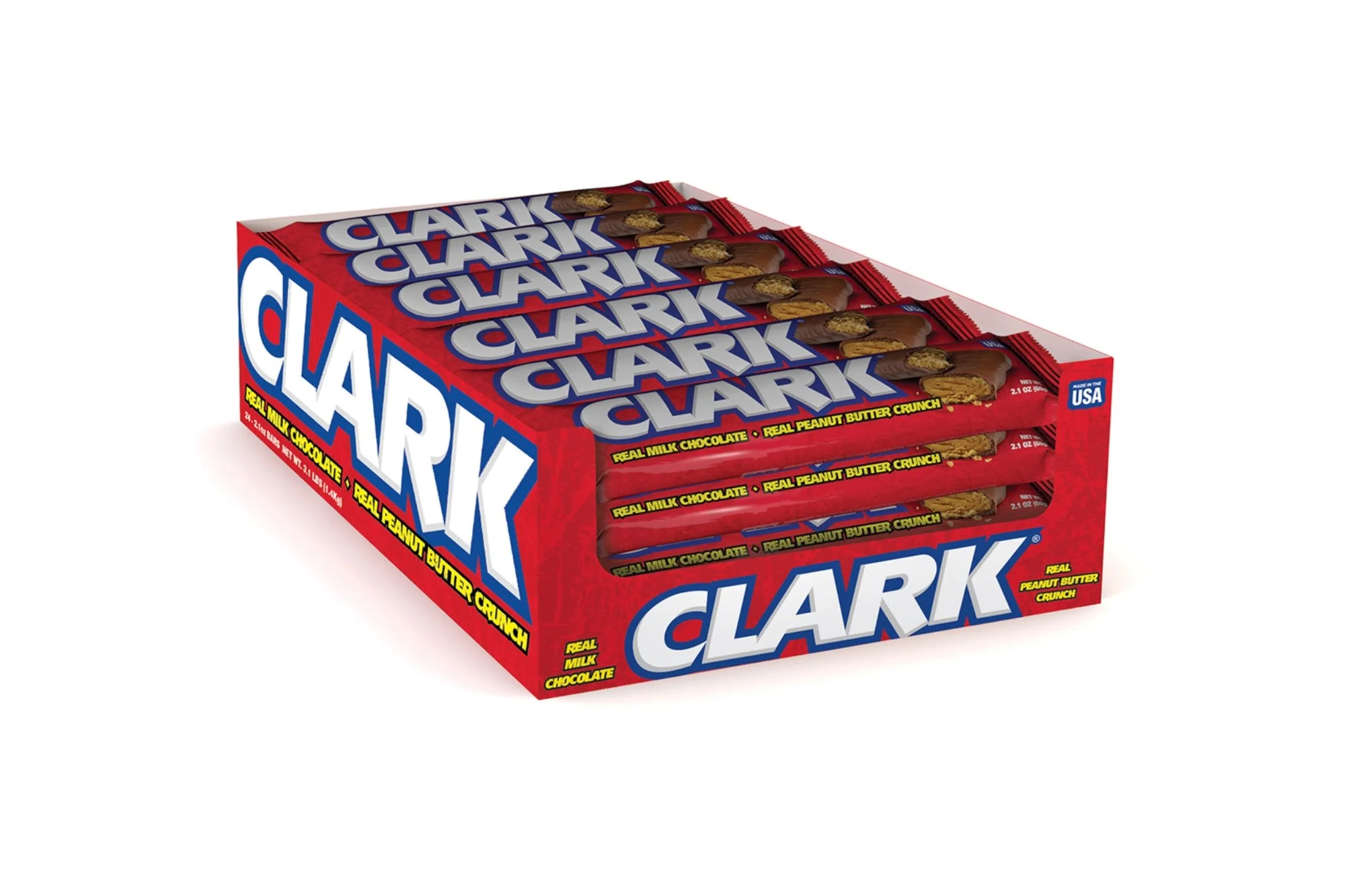
Clark bars
And as an homage to its Pittsburgh location, Beers carries the elusive Clark Bar. Introduced in 1917 by Dave Clark, the candy bar was the first successful ‘combination’ candy bar, with its crunchy peanut center. Because Clark bars disappeared from shelves for a while due to the company being sold several times, most recently to the Boyer Candy Company in Altoona, Pennsylvania, they were and remain a hot ticket item. Today, they are available, but primarily in ‘cup’ form versus ‘bar’ form.
In fact, Beers said that in all his retail locations, people consistently ask for Clark bars.
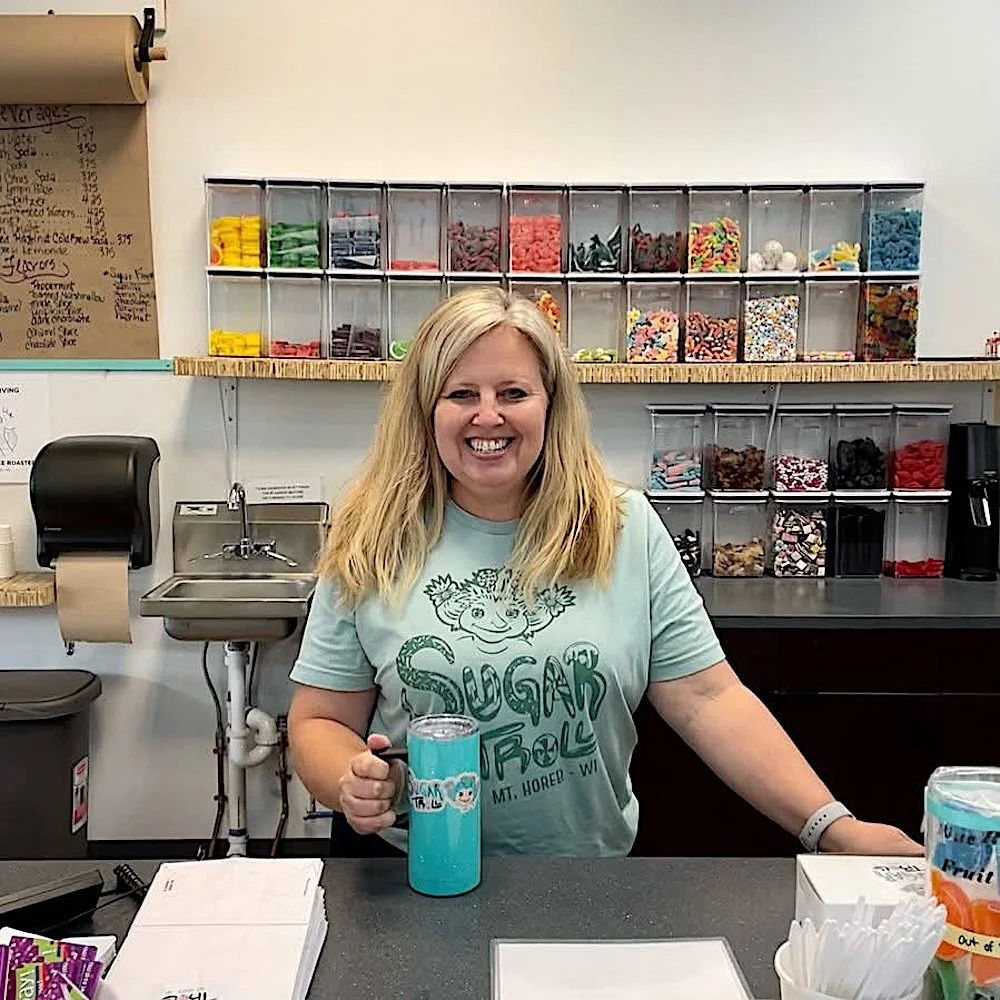
Sugar Troll manager Lisa Dekelver
The same is true at Sugar Troll in Mt. Horeb, Wisconsin, which has a smaller selection of nostalgic chocolate. Manager Lisa Dekelver said that customers specifically seek out Clark bars at her shop as well. “I think certain chocolate bars just speak to people and bring back memories. I have so many people tell me they remember this chocolate and where they got it at the five-and-dime. Nostalgic stories come with any of the vintage candies; people want to share memories, so it sparks conversation.”
Bars that Last
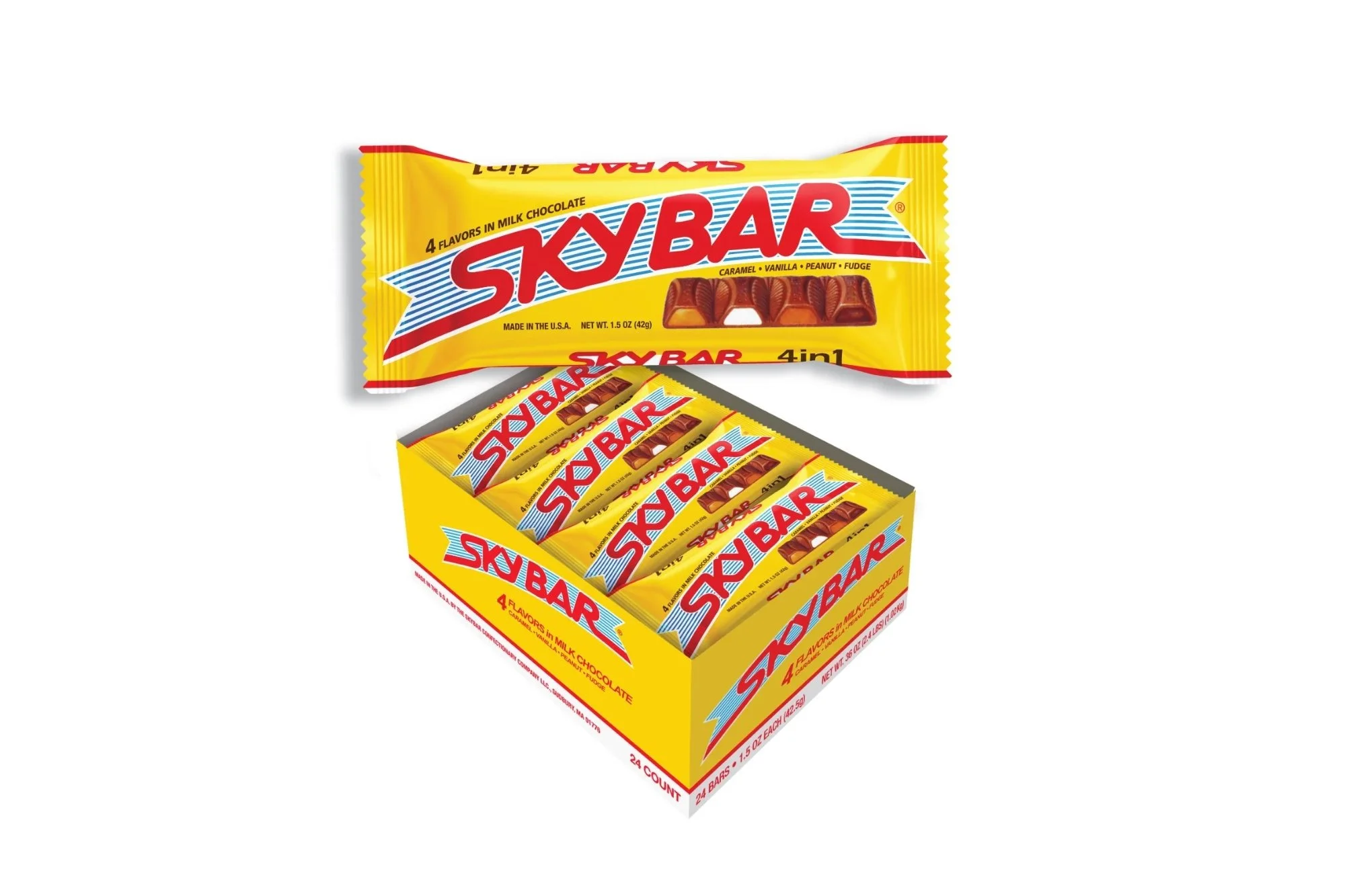
Sky Bar
In addition to the emotional component tied to memory, what defines a nostalgic chocolate bar is its constancy. Beers pointed to Sky Bar as an example, which was introduced by Necco in 1938. “It has serious longevity and has had minimal changes to it,” he said, from packaging to branding to flavor. This consistency allows consumers to instantly recall the taste and the attached memories to the time in their lives when they ate those chocolate bars.
Today, Grandpa Joe’s has grown to 23 retail locations in six states, though he does not offer it for franchise. “We are not the typical big box-type store; we really focus on Main Street USA and have become part of the communities,” he said. They also distribute candy to 20,000 retail customers all over the United States.
The Enduring Appeal of Nostalgic Candy Bars
The primary demographic for these bars seems to be age 45 and up. “They’re buying a little bit of comfort and familiarity; that is our number one customer in the chocolate bar world,” said Beers. Every so often, though, younger consumers are drawn to old-timey chocolate bars, though they see them as more of a novelty or a curiosity.
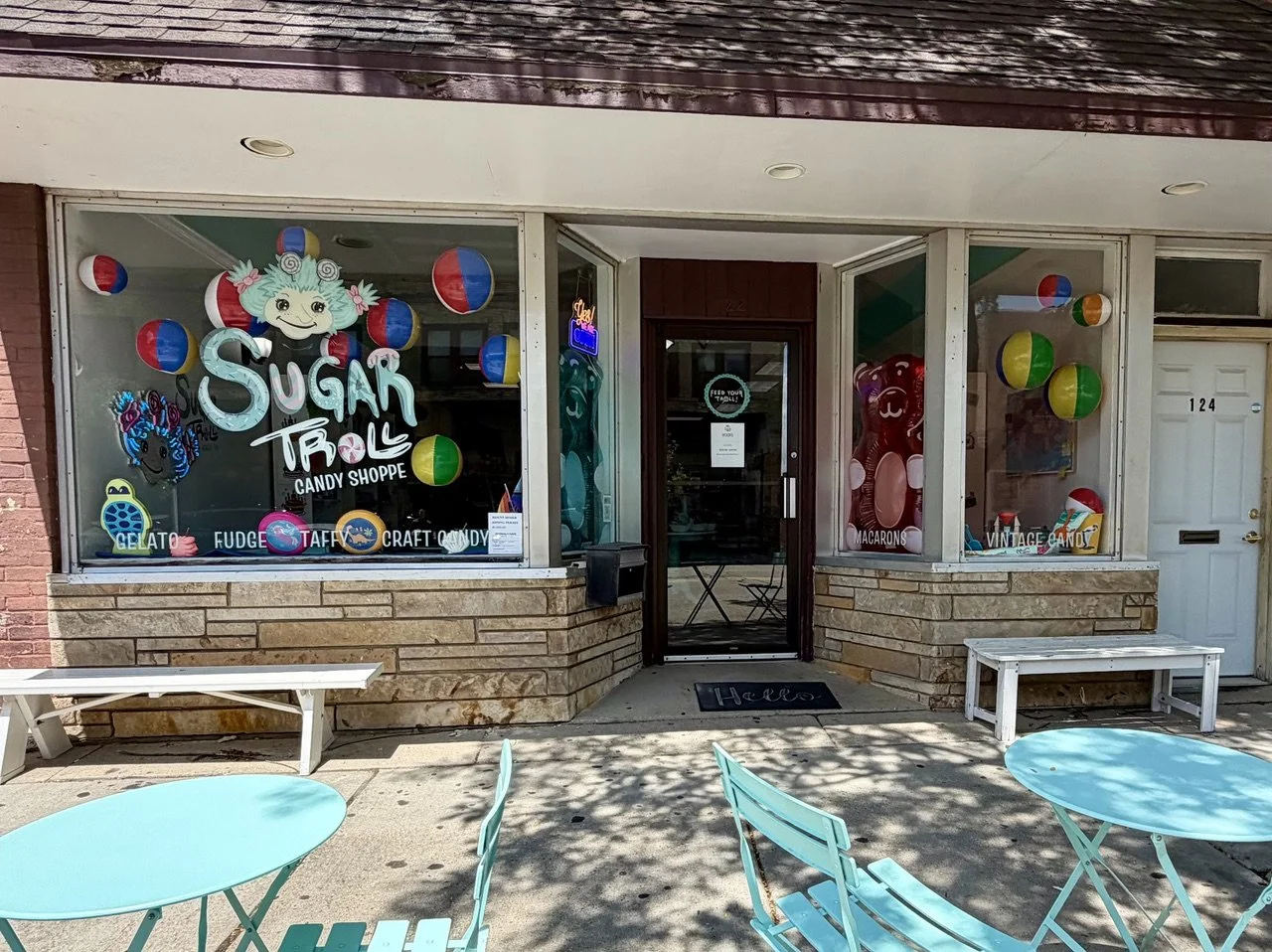
Sugar Troll
It can be challenging, though, to source nostalgic chocolate, as many of these bars are made via small-batch production. “These are still small family-owned manufacturers, not big global confectionery conglomerates out there in the world, so there are longer lead times, and their equipment can’t do big batches,” he said. “Another challenge is that small brands have ownership changes and get bought and sold multiple times.”
Even though they seem to be night and day, these original chocolate bars from yesteryear have, in a small but important way, influenced today’s artisan chocolate makers. “Let’s go back and look at some of the unique fillings that they had. I think what I see today is the artisanal chocolatier trying new things inside the bar that you’d never expect to be in a chocolate bar,” said Beers, pointing to the success of the Dubai chocolate bars as an example.
Today’s artisanal chocolate makers can learn from the past. “Just like my retail stores, they have to make the product an experience, make the product tell a story and be different than what everyone else is doing,” said Beers.