
Alice Medrich Chats Chocolate with Edd Kimber
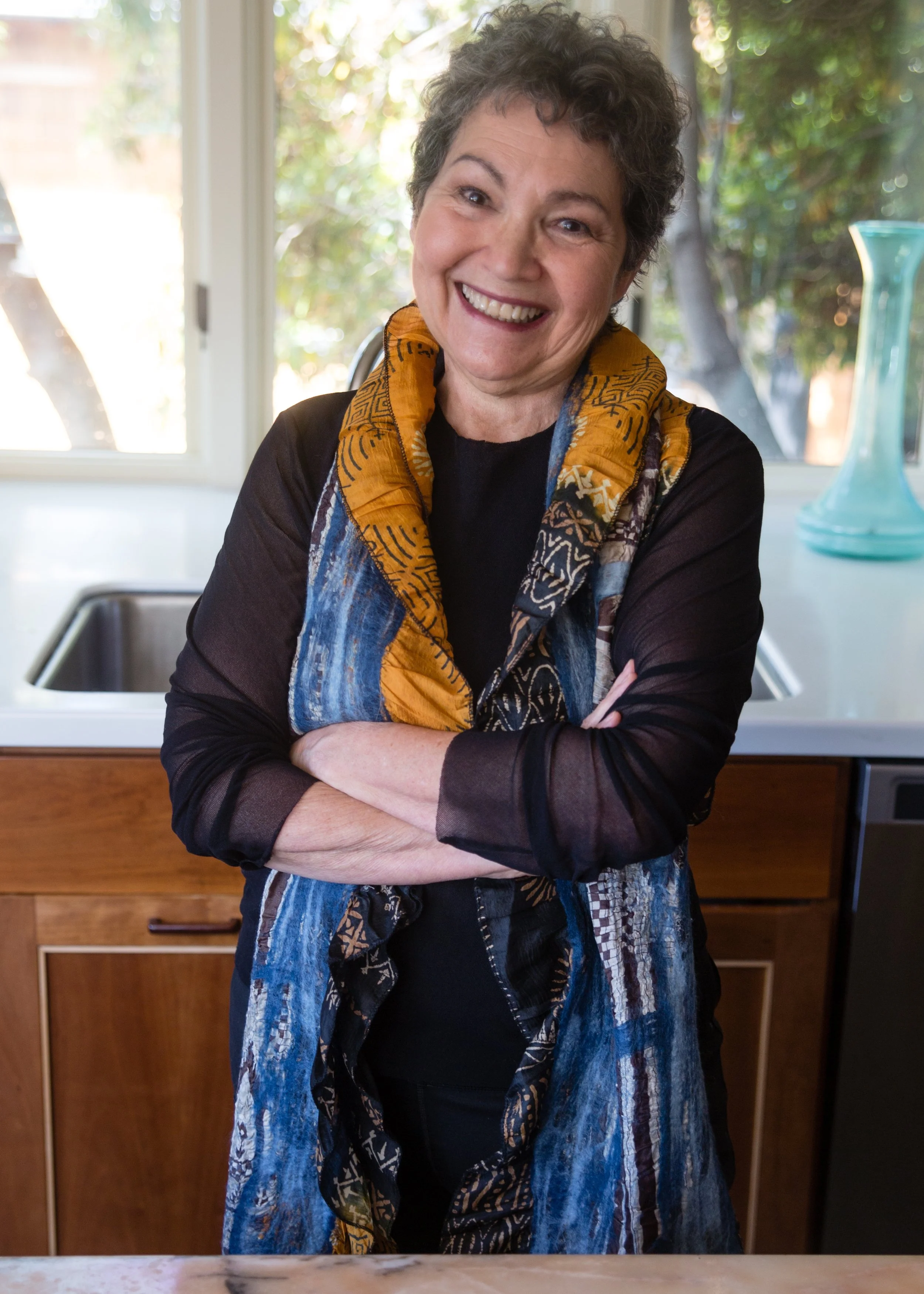
Alice Medrich photo credit Annelies Zijderveld
Alice Medrich and Edd Kimber are both acclaimed cookbook authors known for their expertise in baking with chocolate. Medrich introduced Americans to the French chocolate truffle in the 1970s and went on to win awards for her many cookbooks, starting with her first, Cocolat, in 1990. Twenty years later, Kimber rose to prominence after becoming the first-ever winner of The Great British Bake Off. It launched his career as a blogger, cookbook author, and influential food personality behind The Boy Who Bakes.
Medrich recently sat down with Kimber to discuss all things baking and cookbook writing. That includes Kimber’s long path to publishing his new book, Chocolate Baking, along with their shared philosophies on cookbook writing, flexibility, and creativity in baking, and making chocolate more accessible and less intimidating for home bakers. Here are some highlights from their conversation.
On Writing Cookbooks
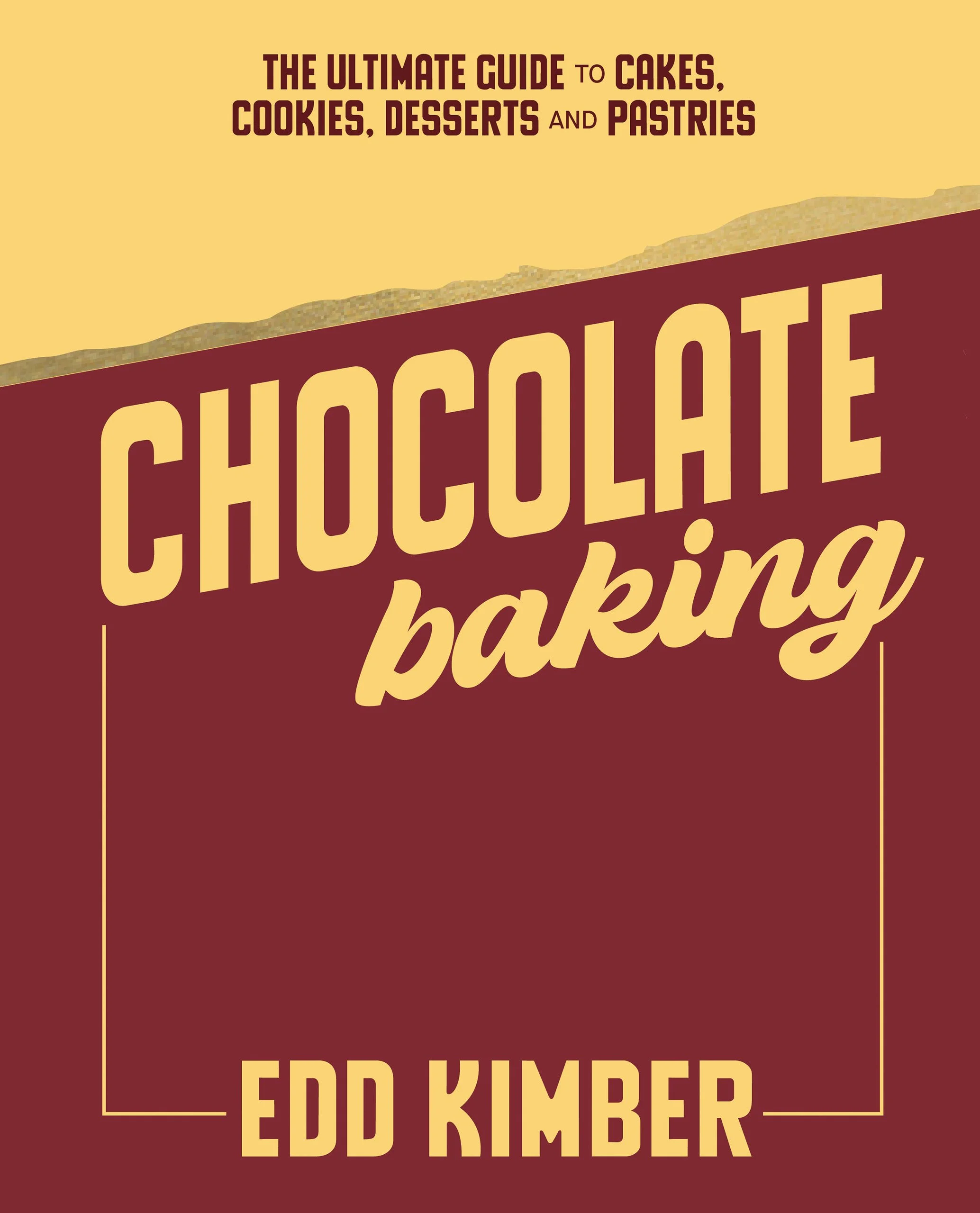
Chocolate Baking
Like Medrich's books on chocolate, Chocolate Baking is a groundbreaker, but it wasn't an easy sell at first. “I pitched this book many, many times,” Kimber explains. “I was always told it wasn’t sellable, that there wasn’t a market for it.” The issue, he said, wasn’t just timing; it was compromise. “I didn’t want to minimize what I wanted this book on chocolate to be.”
In a publishing landscape driven by tidy hooks and quick-sell concepts, Kimber resisted pressure to simplify — and even ended up leaving his publisher before giving the book a second try. The book was clearly worth the wait, and this time, the response was different. “Lots of people wanted it. I don’t know if it was the right moment or what, but it definitely seemed to resonate.”
The Underrated Art of the Cookbook Introduction
Both Kimber and Medrich champion an often-overlooked part of cookbooks: the front matter. “I sort of wish that cookbooks, especially baking books, would come with a little guy who jumps out and says, ‘Not so fast, buddy!’ for anybody who wants to do a recipe without reading the front matter. People just don’t go there,” Medrich laments, adding, “This is where you get to know the person. You get to know what they love, what they hate, how they work, the heart and soul of the person … how they measure, what they buy.”
Kimber agrees. His enthusiasm nearly caused a publishing issue. “My contract didn’t include a word count,” he says. “So when I handed in my manuscript, it was much bigger than they expected.”
The reason? A deeply detailed introduction. “I didn’t want to write a book that was just recipes, because that was not the point of the book. It’s never the point of the book, really.”
The final result delivers a carefully edited but information-rich opening, covering everything from cocoa types to flour protein levels and offering essential guidance for bakers navigating differences between the UK and US.
Permission to Play
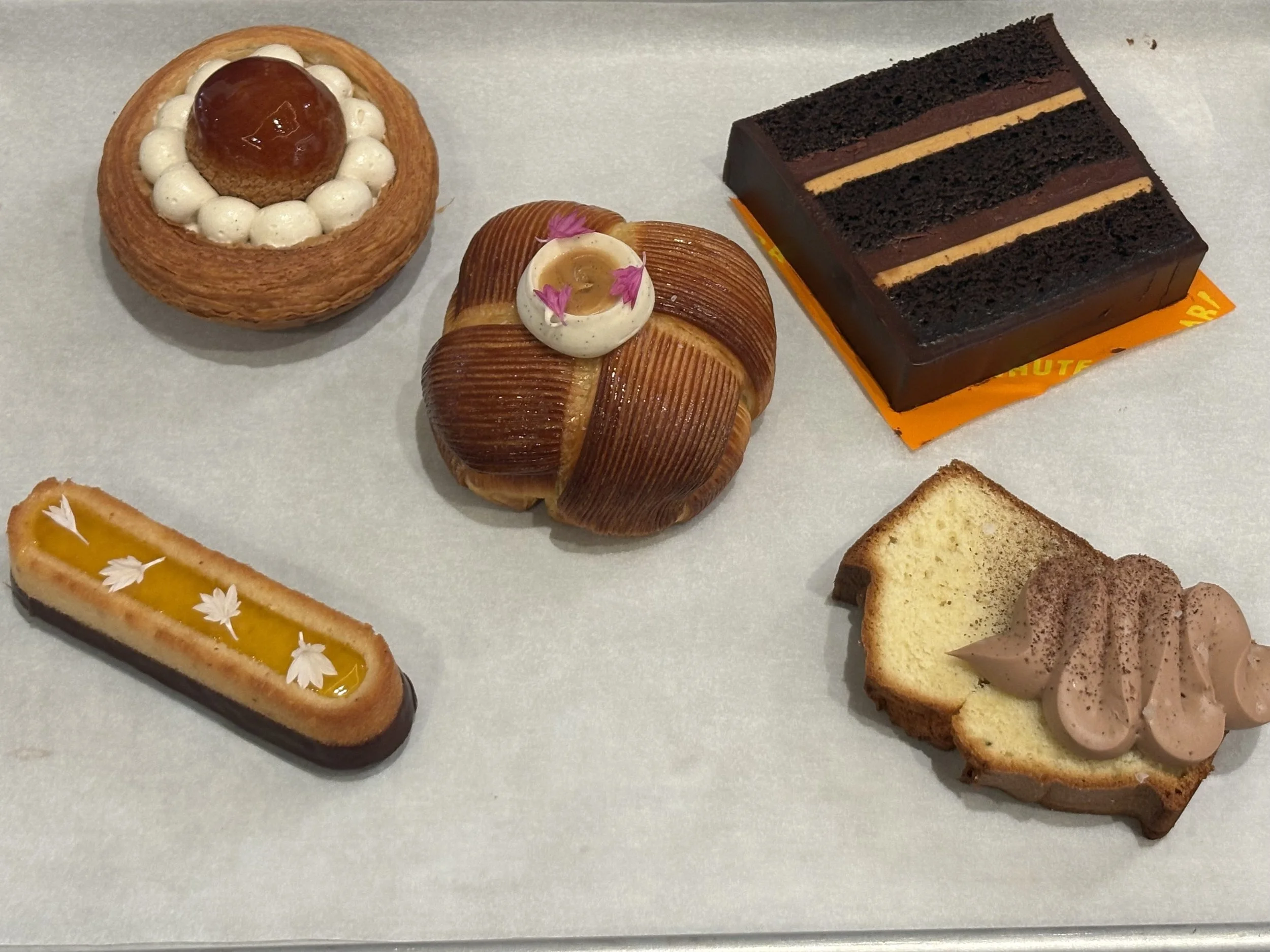
Parachute pastries inspired by Edd Kimber recipes
Flexibility defines Kimber's book, something he sees as essential, even in baking’s reputation for precision. “People feel very locked into recipes,” he says. “They’ll ask, ‘You’ve put salt on top. Can I take it off?’” His answer: “You can do whatever you want!”
He builds that philosophy into choose-your-adventure recipes and mix-and-match components that invite experimentation. “Sometimes you just have to give people permission,” Kimber says. “It opens up a whole world of ideas.”
Medrich, a longtime advocate of modular baking, agrees. “The concept of building blocks and putting them together differently can’t be said too much.”
On Chocolate, in All Its Forms
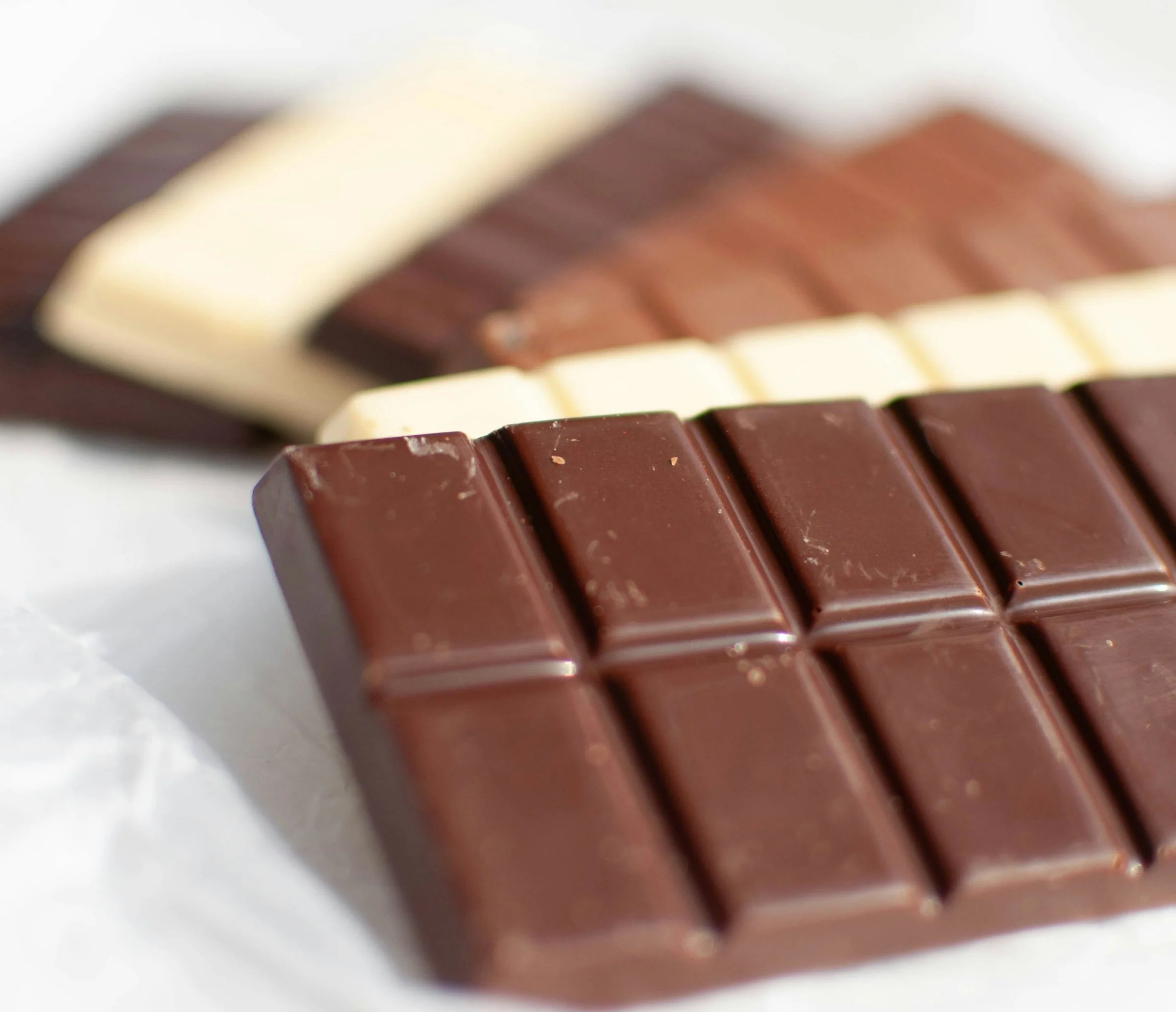
Dark, milk and white chocolate
Kimber is a fan of more than just dark chocolate. “I didn’t want to write a book focused only on dark chocolate,” he says. “Chocolate isn’t one thing.”
He uses each type with intention. Even often dismissed white chocolate becomes a functional tool. “It adds creaminess, helps stabilize whipped cream, and balances flavors like matcha,” he explains.
Milk chocolate, meanwhile, remains “so underused” despite its versatility. His favorite? “A dark milk chocolate … [it’s] the perfect middle ground.”
He also gives cocoa powder and cacao nibs a starring role, not just a supporting one. “I wanted to show that chocolate doesn’t have to punch you in the face,” Kimber says. “It can be subtle.”
Medrich appreciates that restraint. “Sometimes you’re using it as an accessory,” she notes. “There’s a lot of subtlety here.”
Being Self-Taught Can Be an Advantage
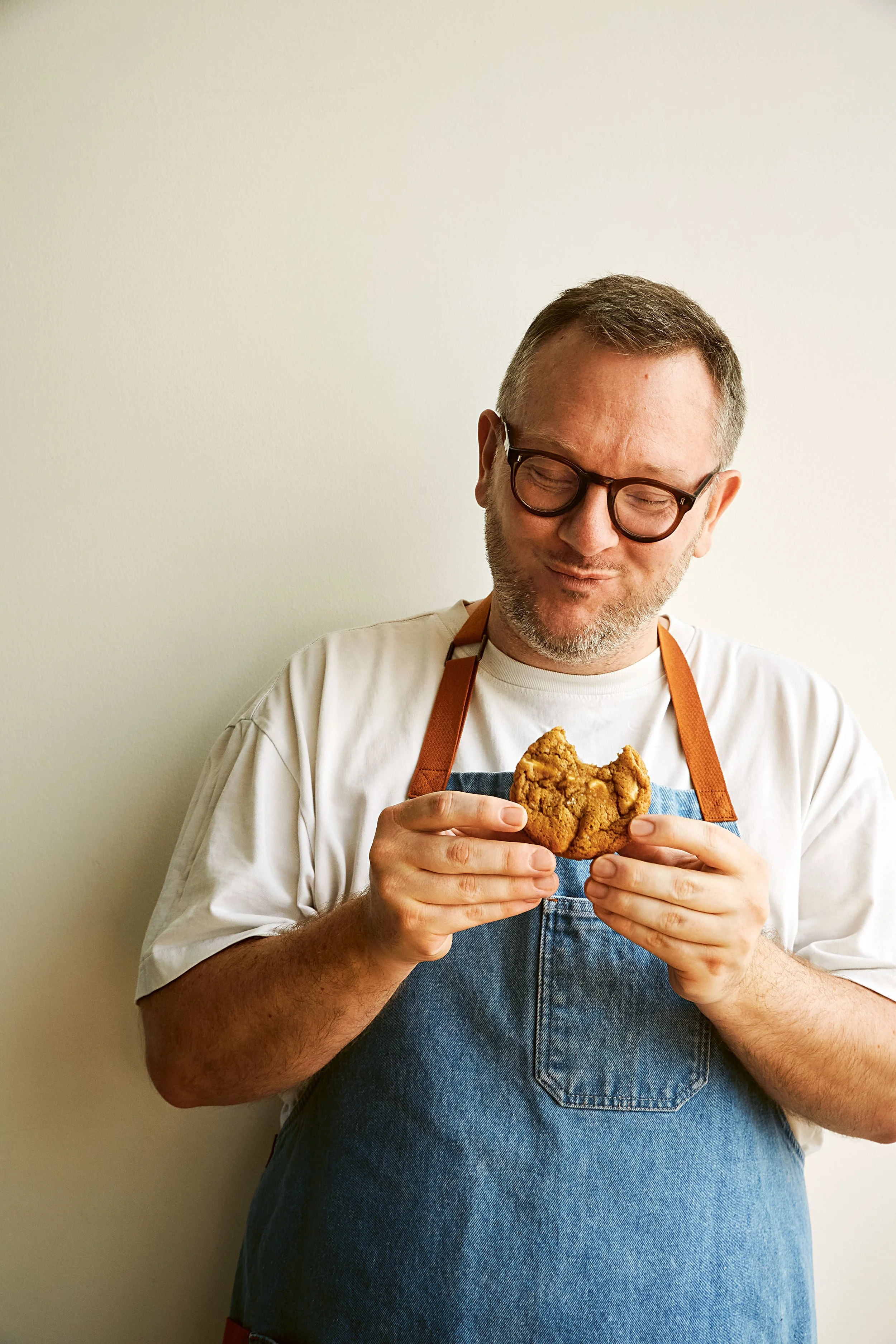
Edd Kimber (c) Matthew Hague
Kimber lacks formal culinary training, something that once made him self-conscious. Now he considers it an advantage. “I actually see it as my superpower,” he says.
He credits chocolatier Paul A. Young with helping him reframe that perspective. “He told me people from culinary school are often the least flexible,” Kimber recalls. “They think they know everything.”
Without that rigidity, Kimber has stayed open and curious. “I’m a bit of a sponge,” he says. “I’m always trying to learn better ways of doing things.”
That curiosity extends to technique, including his preferred method for making ganache, which relies on gradual emulsification to prevent splitting. “It’s often just about technique,” he says. “Little things you pick up over time.”
Creativity Through Curiosity
Kimber often starts with flavor. One standout pairing, milk chocolate and passion fruit, traces back to a formative experience. “That combination has been lodged in my head since I was 18,” he says, recalling a pastry he tasted in Paris. From there, ideas evolve through travel, memory, and experimentation. “I try to evoke the feeling I had eating something,” he explains, rather than replicate it exactly.
His phone’s Notes app reflects that process. He describes his creative jottings as “just this long document … mostly gibberish,” filled with fragments that may eventually become recipes.
Baking for Real Life
Kimber writes with a clear audience in mind: the home baker. “I always try to solve a problem that the home baker might have,” he says. With chocolate, that problem is often intimidation.
“Chocolate has been made to seem like a very complicated, scary thing,” he explains. “If you breathe in the wrong direction, it’ll split.”
His goal is simple: demystify the process. “I want to be the person who holds the hand of the home baker … to give them all the confidence and information they need.”
Medrich immediately recognized that balance in his latest book. “It has so much personality,” she says. “The information is serious and solid, but then there are these incredibly simple, compelling cakes [that are] so unscary.”
Kimber designs for accessibility, thinking carefully about how people actually use cookbooks. He creates recipes that feel not just appealing but achievable.
“I remember a publisher telling me that most people make a maximum of two recipes from a book,” he says. “I don’t want to write recipes people will never make. It feels pointless.”
Baking as a Journey
Kimber doesn’t see the book as just a collection of recipes, but as a long-term companion.
“I try to include very easy recipes alongside more technical ones,” he says, “so the book can live with you for years.”
For beginners, it builds confidence. For experienced bakers, it offers a challenge. And for everyone, it delivers something Kimber believes matters most: joy.
“Play with your food,” he says. “It’s fine.”