
Why More Chefs Are Choosing Bean-to-Bar Chocolate
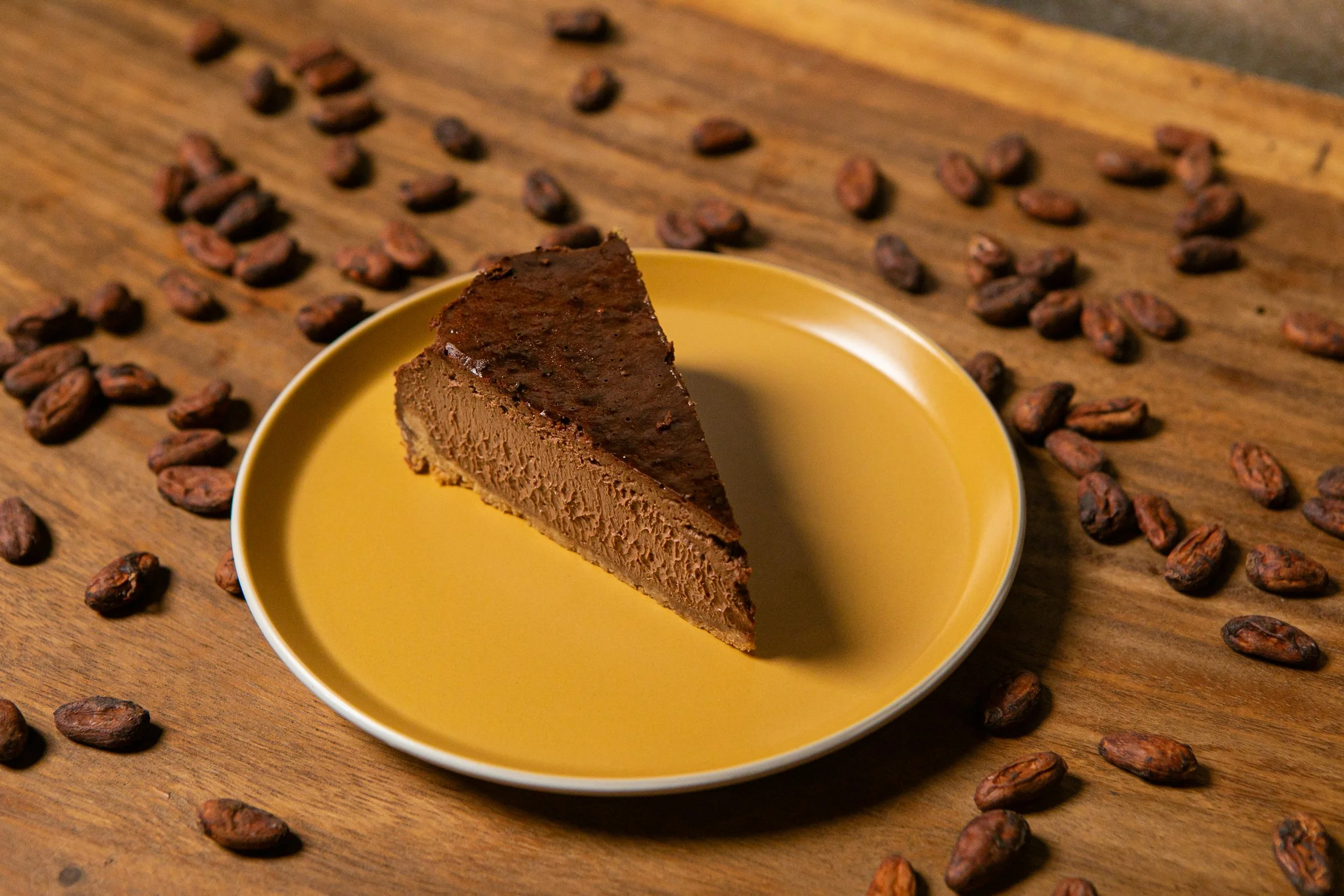
Chocolate dessert from Diego Fernández photo credit Casa 25
For a long time, chocolate occupied a strange place in professional kitchens. Even chefs who sourced their flour, butter, and other ingredients with care often relied on commercial couverture designed to be neutral, consistent, cost-effective and easy to work with. Chocolate was expected to behave, not speak.
That logic, however, is beginning to change. Many chefs describe a shift in how they are thinking about chocolate altogether. For Diego Fernández of Casa 25 in Panama City, craft cacao isn’t an upgrade so much as a foundation. His bar and restaurant grew out of Proyecto Cacao, a bean-to-bar chocolate company, and cacao is deftly used in various dishes, from the house-made tiramisu to mole. In Burlington, Ontario’s Uprising Bakehouse, owner Jen Mifsud sees chocolate through the same lens as her sourdough: an expression of craft, values, and care. Chocolatier Sebastian Falcon of Allelon Chocolate uses craft chocolate to elevate the work and care he puts into all of his creations. And in Paris, Tarts & Truffles owner/chef and guide Lisa Allen describes her move toward fine chocolate as almost accidental at first, driven by access and experimentation, then quickly irreversible once she tasted the difference.
What unites them is a growing belief that chocolate deserves the same intentionality as any other primary ingredient. And as bean-to-bar chocolate becomes easier to source and more familiar to professionals, it is increasingly finding a place not just in special-edition items but also in everyday use.
Reasons for Using Bean-to-bar
Flavor
Story
Origin
Shared Values
Quality
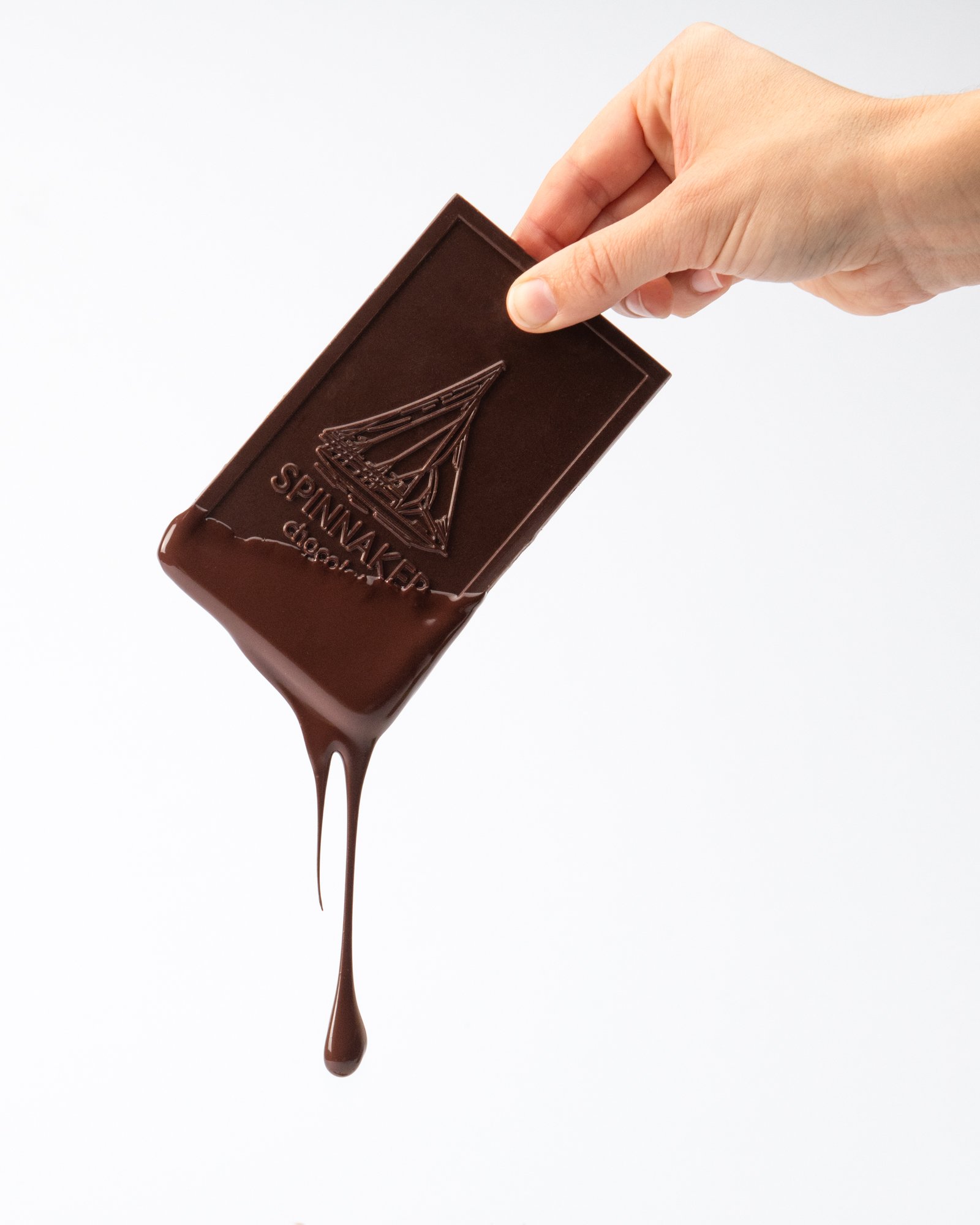
Spinnaker Chocolate bar photo credit Spinnaker Chocolate
Flavor matters, everyone agrees on that, but it’s rarely the whole reason why it’s being used more. Craft chocolate carries a story, and for many chefs, that story is part of the appeal. Fernández notes that restaurants want to use Proyecto Cacao not just for taste, but because it adds meaning to the menu, “I think we are innovating at least in the Panamanian food scene. At this point, we are in very good restaurants, making others want to be part of the story. They want to use our chocolate in their menu because it adds storytelling to their service,” he explains.
In Seattle, chocolatier Sebastian Falcon of Allelon Chocolate chooses local Spinnaker Chocolate saying, “We loved the idea of our confections being made with chocolate made in our own city, and it made sense for us to work with them. We've compared our 'pre-Spinnaker' truffles with our current recipe and find that our current flavor is superior. Similarly with Conexion, we admire the product and connect with the story/mission of the company.” Read more about Spinnaker Chocolate.
Mifsud, who sources her craft chocolate from nearby The Organic House Chocolate, speaks openly about wanting her customers to support local, ethical, woman-owned businesses, even if they don’t always realize they’re doing so in the moment. She adds, “I have exceptionally high standards when it comes to ingredients; most 'mainstream' ingredients will never make the cut. But I know, love and trust all the hard work that goes into The Organic House products; they have the same high standards that I have for my own products, and I know my customers will taste the difference.”
Allen takes storytelling one step further, tagging chocolate makers on social media, naming origins, and talking customers through her choices whenever she has the chance. The chocolate isn’t just an ingredient; it’s a conversation starter.
Currently, chefs rarely claim that customers are asking for bean-to-bar chocolate. Most aren’t. Yet. Mifsud observes that many of her customers haven’t noticed the switch yet, though she expects they will once the chocolate takes a more central role in certain desserts. Falcon estimates that only about 10 percent of his customers inquire about sourcing, and Fernández describes Casa 25 as still “teaching people” its concept.
And yet, when customers do notice, the reaction is enthusiastic. Allen has seen craft chocolate-forward items sell out at markets and events, while Falcon hears consistent praise for the improved flavor of his truffles. For most chefs, that’s enough. The chocolate doesn’t need to be a selling point every time; it just needs to make the food better.
What About Cost?
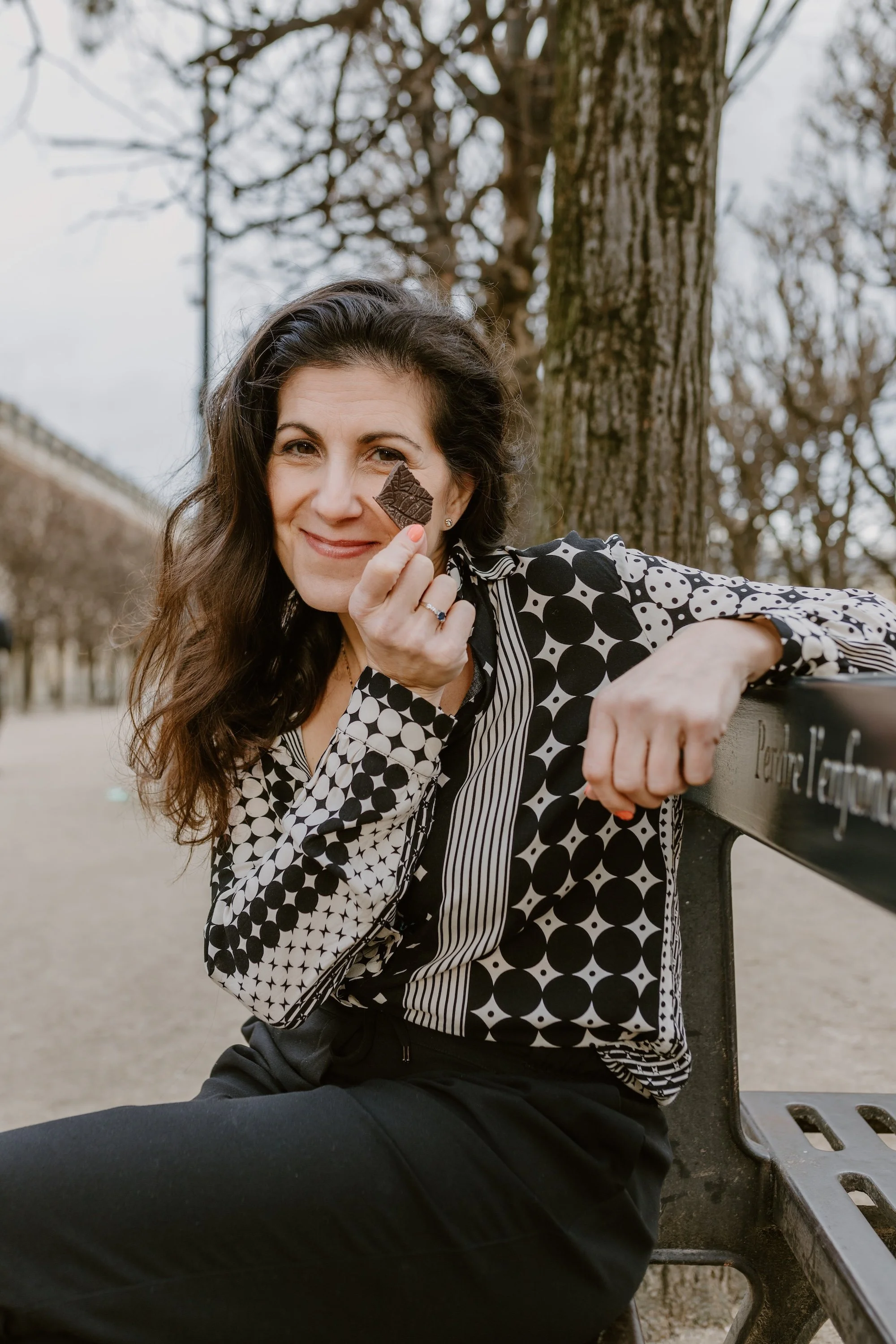
Tarts & Truffles owner/chef and guide Lisa Allen
Price is the most obvious sticking point for chefs considering a switch. Craft chocolate is often more expensive, and margins in baking and pastry are famously tight. But several noted that the gap isn’t always as wide as assumed.
Falcon points out that buying directly from bean-to-bar makers like Spinnaker Chocolate and Connexion (from Ecuador) is comparable in cost to premium couvertures such as Valrhona or Guittard, especially when those are sourced through distributors. For him, the decision wasn’t about spending more, but about getting better flavor and stronger relationships at a similar price point. Comparing older recipes to his current ones, he found that the versions made with craft chocolate simply tasted better.
Others mitigate costs differently. Allen offsets higher chocolate prices with modest increases across her menu and careful sourcing, while Mifsud builds the cost into products aimed at a clientele already invested in quality. She says, “Most of my customers are willing to pay for a higher quality product, and if they’re not, there are less expensive options available either through me or another bakery. I’m comfortable with having a higher-end price/product because I know my ideal client wants the best possible ingredients.” Fernández is candid that price will keep some restaurants from switching, but for those already operating in a values-driven space, the economics are often workable.
Allen puts it like this, “People are riding the wave of more conscientious consumer habits when it comes to food; not just wanting to have more transparency and understanding of where their food comes from and supporting sustainable ingredient sourcing, but also the move towards plant-based and healthier foods.” She adds, “Being public about sustainable choices often helps sway consumers to support your business. Bakers also know the value and impact of primary ingredients, and just how much they can impact final flavor. It's win-win!”
Making the Switch
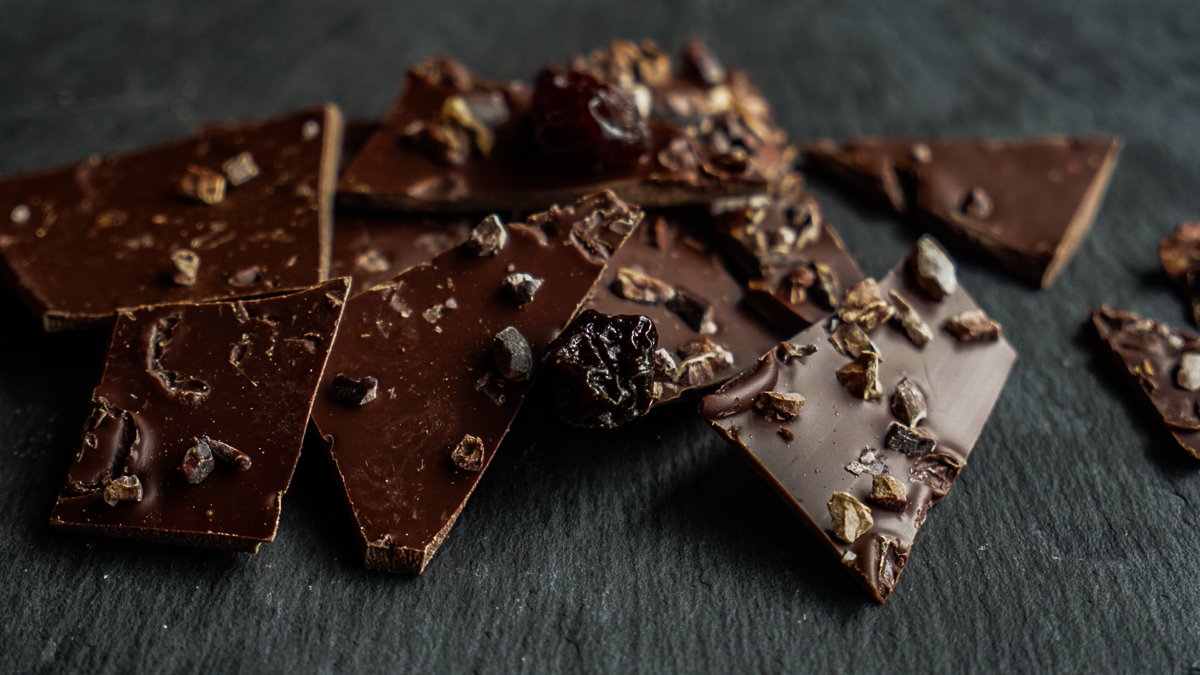
Chocolate bark
Switching to craft chocolate does require adjustment, particularly for chefs used to the consistency of industrial couverture. Falcon acknowledges a learning curve, noting that larger, long-established manufacturers still offer a wider range of chocolates formulated for specific applications. That predictability can be hard to give up.
At the same time, he emphasizes that the fundamentals don’t change. Good chocolate behaves like good chocolate, and the principles of tempering, emulsifying, and balancing flavor still apply. For him, the transition has been less about relearning technique and more about accepting slightly narrower margins for error.
Mifsud, for example, discovered early on that her chosen chocolate couldn’t handle the high temperatures of sourdough baking and adapted her recipes accordingly. Allen found tempering certain origins challenging at first, but manageable with a few rounds of experimentation. Fernández acknowledges that craft chocolate requires more flexibility, even if he’s not the one doing the pastry work himself. In each case, the chefs frame the learning curve not as a deterrent, but as part of working with a more expressive ingredient.
There’s no single reason chefs are turning to bean-to-bar chocolate, and that may be why the change feels gradual. Some are chasing flavor, others values, others better relationships or better sourcing. Often, it’s all of the above.
What connects them is the shared sense that chocolate no longer gets a pass. As availability improves and familiarity grows, fine chocolate is moving out of its niche and into the everyday rhythms of professional pastry. Not as a trend, but as a quiet recalibration of what quality can look like.