
Six Must Visit Cities and Towns for Chocolate in Italy

Mother and child admiring the window display at Migone sweet and candy shop in Florence. Photo by MagicBones & Depositphotos
Italy might not be the first place that comes to mind when thinking about chocolate destinations in Europe, overshadowed by more iconic countries such as Switzerland, France, or Belgium, yet the boot-shaped country does have something to say about the subject. And sure enough, something seriously good to offer. Here are the Italian cities or towns, and more specific shops and factories that we think you should consider when planning a chocolate-fueled trip to the BelPaese.
Turin
Milan
Florence
Naples
Maglie (Lecce)
Modica
Turin
Modern bliss by Gobino
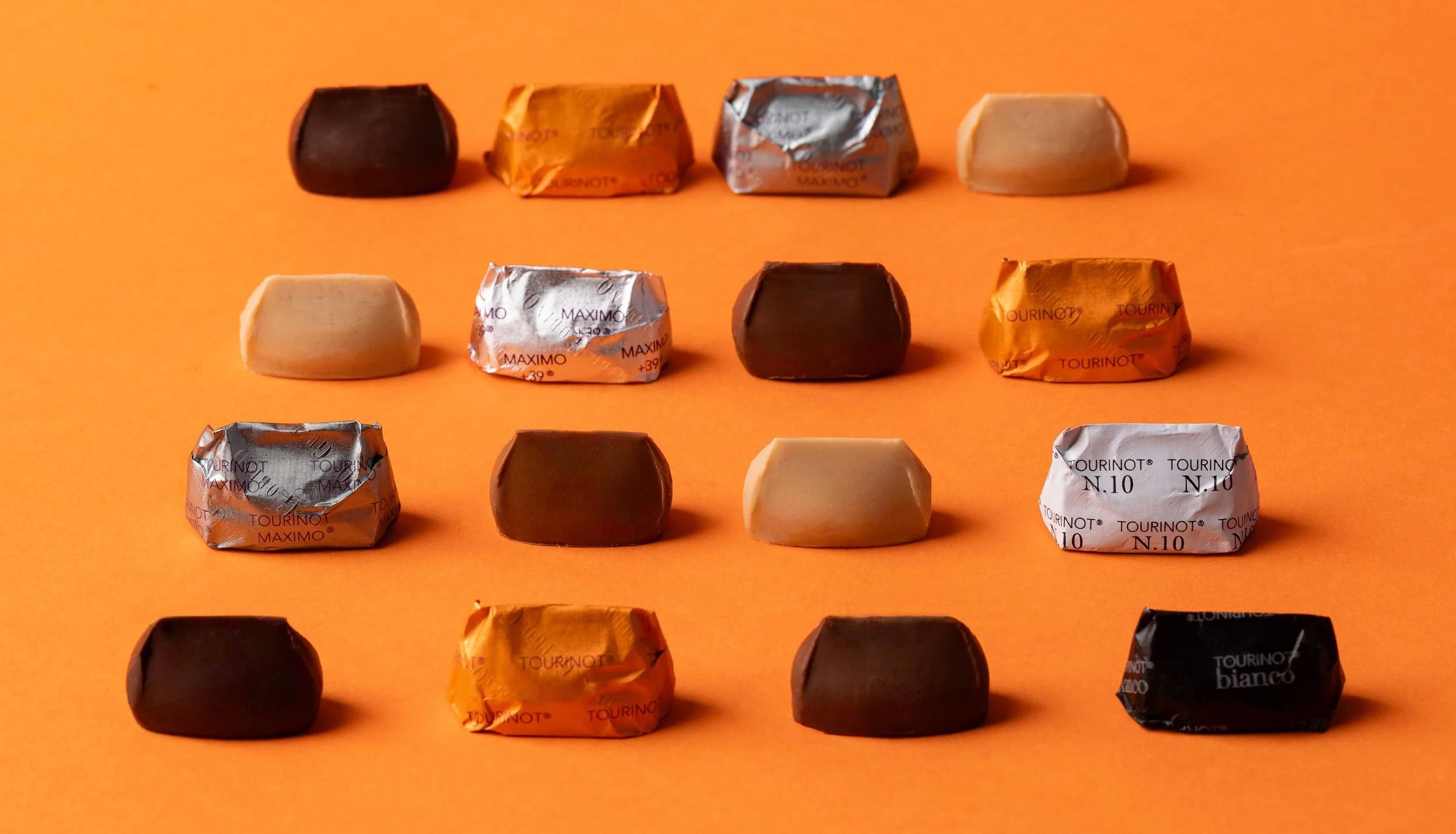
Guido Gobino Nuova collezione 2025-26
Perhaps not surprising given its proximity to France, and the presence of a system of waterways for powering grinding mills, Turin is a major chocolate city in Italy: a tradition dating back at least to 1878, when Silviano Venchi opened his chocolate workshop, a precursor to the modern Venchi, and launched the delicious Nougatine (caramelized hazelnuts coated with extra dark chocolate), and the iconic Gianduiotto. Nowadays, Turin still has plenty of chocolate factories and shops. An absolute point of reference is Gobino, launched in 1985 by the maître chocolatier Guido Gobino – who inherited his passion and knowledge from his father Beppe, and stretched it to the max. The craft chocolate brand now counts two elegant stores in the city center (plus two in Milan), including the charming café hosted in the historical premises of Platti, one of the city’s most acclaimed café.
The store in Via Lagrange, launched in 2007, mixes the traditional charm of the original setting (a historic stamps and plates company) with its vintage boiserie and a contemporary décor, and offers reservations for tasting workshops. Here, you can taste and buy Gobino’s most iconic products – including the Tourinot Maximo, created in 1999 following the original Gianduja recipe of 1865, only using IGP Piedmont Hazelnuts, aromatic cocoa, and Italian sugar, with no powdered milk – and the constantly updated collections, now crafted with the help of Guido Gobino's son, Pietro. The Autumn Collection 2025 displays a rich assortment of pralines and bars made with the finest, ethically sourced cocoas – including the rare Venezuelan Chuao and Philippine Paquibato – and Italian ingredients such as IGP Piedmont Hazelnuts, Calabrian licorice, and Sicilian pistachio.
It is also possible to visit the production facility in via Cagliari upon request. Visits are held in the morning (8.30 am-12.30 pm) from Monday to Friday, except in July, August, November, December, and during Easter holidays.
Milan
From Zaini to Solbiati and Dusart, the feminine touch
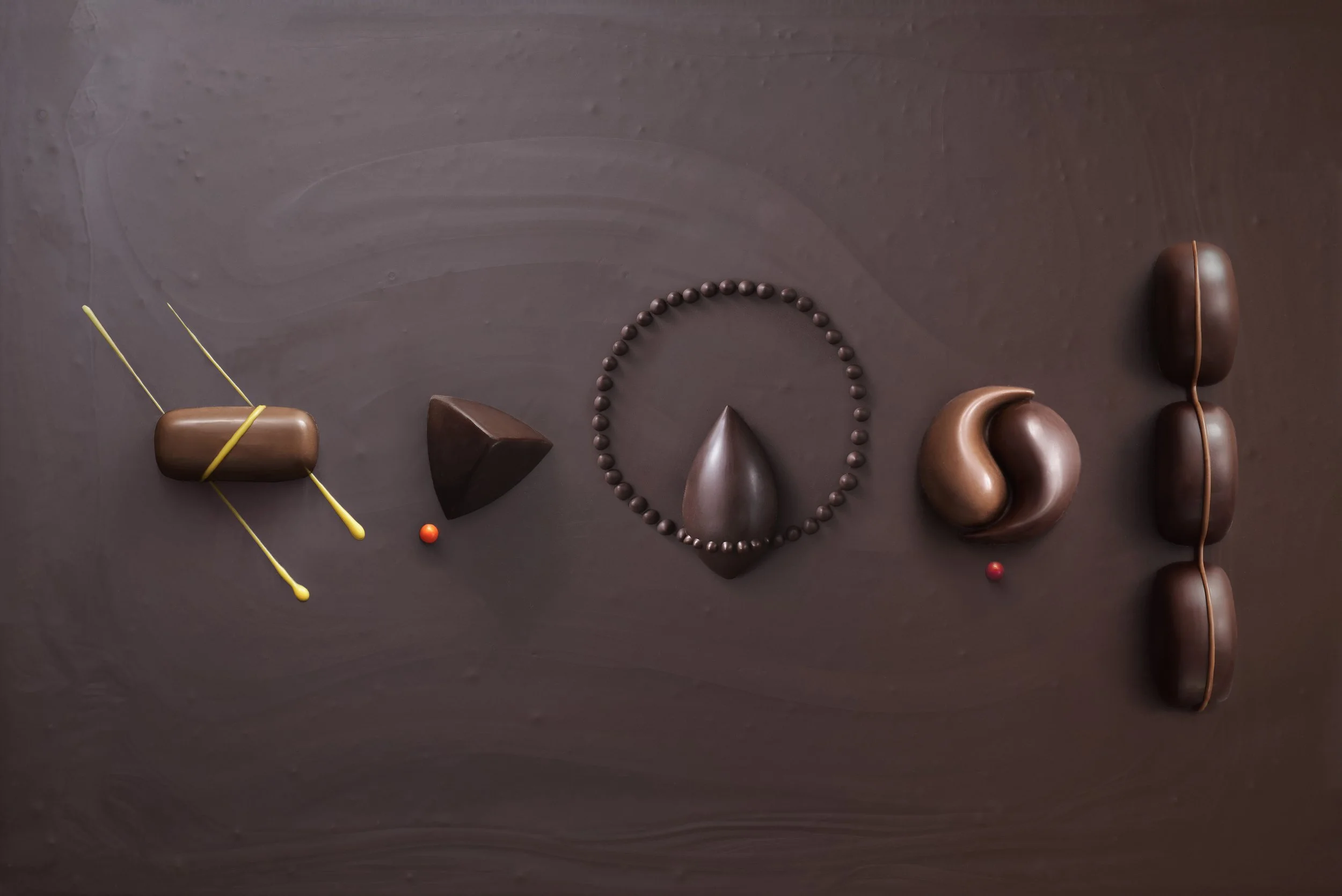
Solbiati Fall composition
The history of chocolate in Italy's economic capital is much more recent, and it's essentially linked to the confectionery company founded in 1913 by Luigi Zaini, which began producing candies and chocolate in the city’s center. His wife, Olga, relocated it to the suburb of Dergano after World War II, where it still operates.
Yet today in Milan's urban area, there is no shortage of addresses. These include the workshop founded in 2009 by Simona Solbiati, a Milan-born architect turned "choco designer.” To her, chocolate is a sensory experience where creativity, elegance, and taste go together, always respecting and enhancing the distinctive aromatic characteristics of each cocoa’s origin. Her classy pralines, Piccole Emozioni (“tiny emotions”), achieve the perfect balance and aromatic pairing of chocolate, spices, and flavors. Try the brand-new ones, such as the fresh, tangy, and spicy praline with an Araguani 72% dark chocolate shell shielding a ginger ganache and orange gelée, or the rich and velvety Fall-inspired one with a Bahibé milk chocolate shell, a pear gelée, and Port ganache inside. While the workshop in Milan is open for visits and purchase, in 2023, Solbiati also launched her intimate and elegant boutique in Brescia.
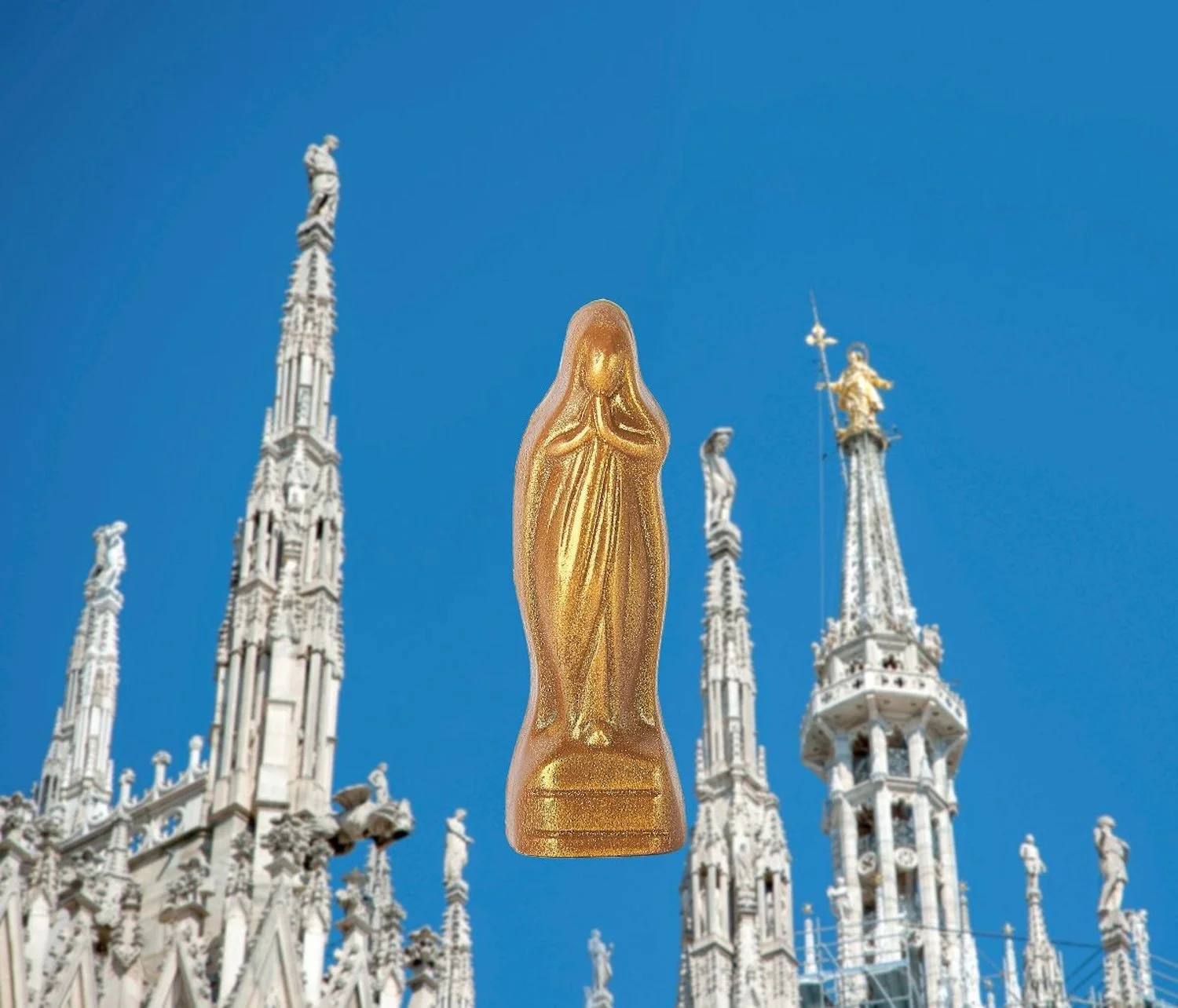
Charlotte Dusart’s Madonnina
In via Eustachi, near Lima metro station, you can also visit the enchanting chocolate boutique by Charlotte Dusart, a Belgian-born maître chocolatier who moved to Milan to launch her brand in 2019. To her, “Chocolate is always the answer” and something that can ensure happiness and joy. In an elegant but playful ambience, the shop displays the creations crafted in the new workshop in Labrate: original tablets such as the one with milk chocolate, speculoos, caramel & fleur de sel; snacks such as the Sacher bar; and lovely praline, as good as beautiful, made with different varieties of chocolate and interesting combinations of ingredients, also including vegan chocolates suitable for people who are lactose intolerant.
Her Christmas collections are always amazing, and she even created a special praline dedicated to Milan and its iconic Madonnina, the golden statue of the Holy Virgin perched on the highest spire of the city’s Cathedral: filled with a creamy almond and hazelnut praline, puffed rice and saffron, it is inspired to the iconic Risotto alla Milanese, and makes a perfect souvenir.
Florence
From the Chocolate Valley to the city center with Slitti
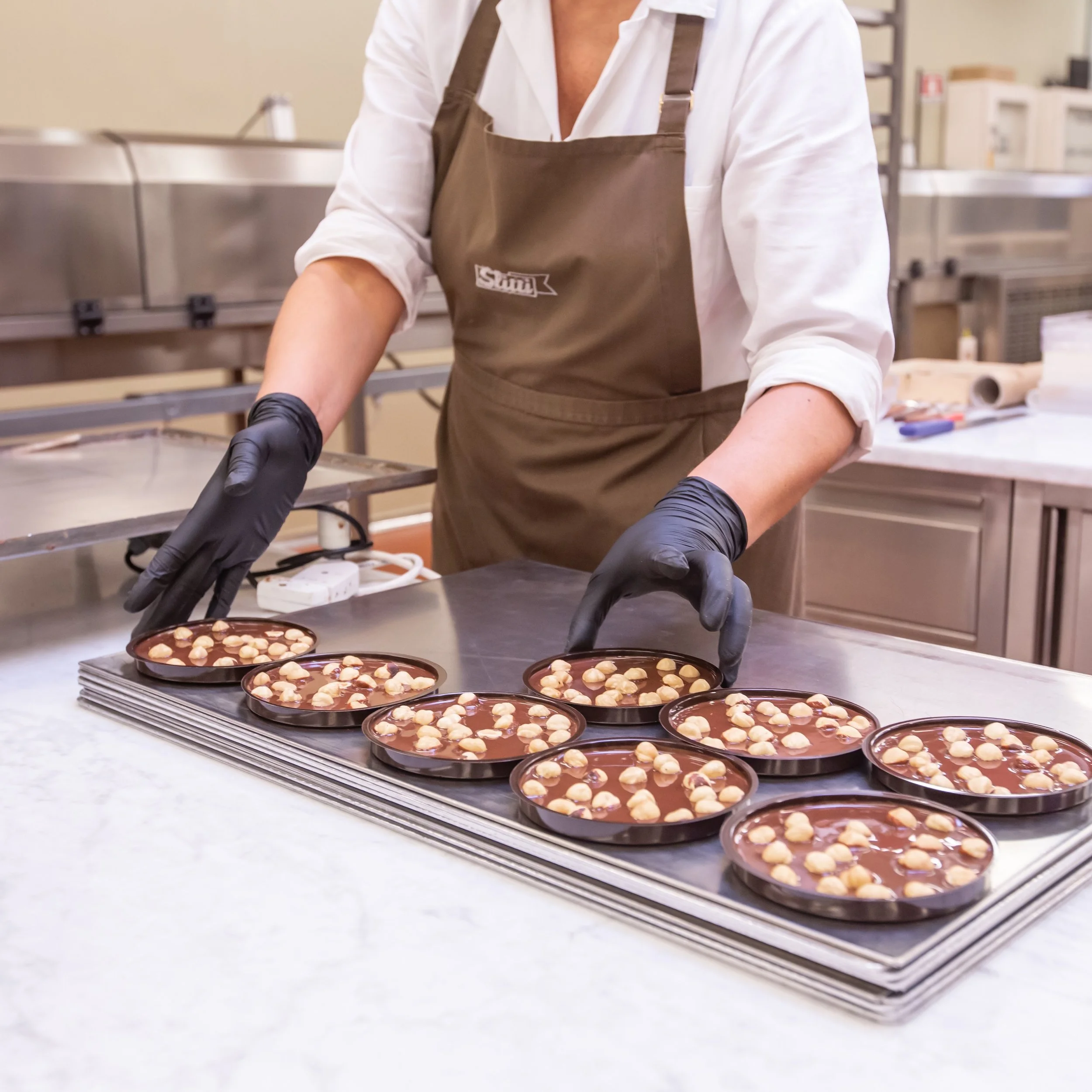
Slitti chocolates
Did you know that the first cocoa butter-based lip balm (in Italy referred to as "burro di cacao", even though the original ingredient is rarely present) was invented in Florence in 1743? The "recipe" was developed by the Florentine pharmaceutical and perfume laboratory Santa Maria Novella, founded back in 1221. It's not a coincidence, since among the first ones to successfully introduce chocolate and cocoa in Italy was the local merchant Francesco D'Antonio Carletti, who visited the American plantations in 1591, while the hot cocoa drink was early appreciated at the Medici’s court.
Later, the Tuscan heritage of cocoa processing moved to the area nowadays known as "the chocolate valley," between the provinces of Pisa, Prato, and Pistoia, where a few craft chocolate masters established their companies. Since 2023, though, Florence has regained its cocoa reputation thanks to Slitti, a family-run company based in Monsummano Terme.
Launched as a roastery by cafè-owner Luciano Slitti in 1969 (who decided to roast his own coffee with his son Andrea) Slitti became one of the most awarded and acclaimed Italian chocolate craft producers, thanks to carefully selected and processed cocoa beans from Ecuador, Jamaica, Madagascar, the Dominican Republic, and Venezuela.
A short walk from the iconic Duomo, the Florence Slitti Experience shop is a wide and modern venue where guests can buy and taste chocolate bars, praline, dragées, the signature chocolate spreads and chocolate "spoons" – created to add a cocoa taste to your coffee – and ice creams (this is the realm of Daniele Slitti, Andrea's brother), as well as savory snacks. Or maybe an Affogato, combining coffee, chocolate, and ice cream in one lavish cup.
Naples
It all started with Gay Odin
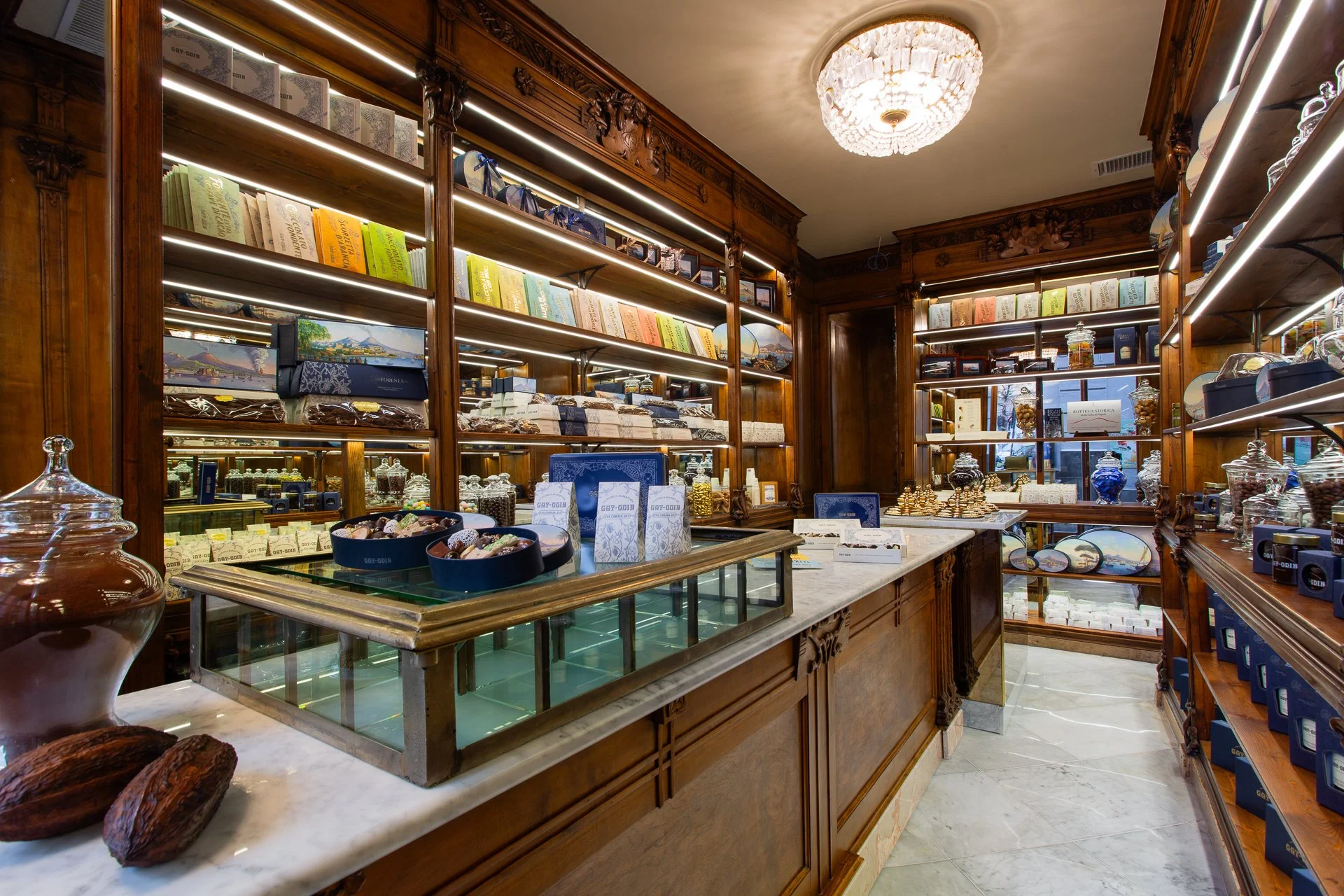
Gay Odin shop on the Via Chiaia
When in Naples, don’t think only about pizza and ragù, nor sfogliatelle and babà. The city, embraced by the volcanic cone of Vesuvius, has its own chocolate tradition, proudly represented by maître chocolatiers and small craft factories such as Gennaro Bottone at Dolce Idea and Vincenzo Pipolo at Piluc. Yet, the primacy here goes to Gay-Odin , the brand that started the chocolate tradition in town in 1894. As the name may suggest, it was not at all a Neapolitan affair: young chocolatier Isidoro Odin had moved to Naples from Piedmont in 1888 and established his company with his wife, Onorina Gay, who came from a confectioner's family in the same village. In 1920, Odin created the iconic "chocolate log" called Foresta – forest, referring to its flaky texture resembling a piece of bark: still today, this is the emblem of the brand that, since the Eighties, has been led by the Maglietta family, descending from Giuseppe Maglietta, who long worked with Isidoro Odin.
Amongst the 8 stores currently operating in Naples (plus those in Rome and Milan), the newest is the oldest, indeed: in February 2025 the historic workshop launched in 1920 by Isidoro and Onorina in Via Chiaia, 237 reopened to the public after a meticulous restoration that gave a new shine to the period finishes – including the counter and all the furnishings bearing the typical naturalistic and floral elements of Art Nouveau, with inlays reminiscent of cocoa berries and beans, and featuring the initials of the founders.
Subject to the constraints of the Superintendency, the venue preserves the inimitable Art Nouveau charm of Gay-Odin, also evident in the Liberty building that houses the factory, opened in 1922 in Vico Vetriera. In all venues, you can find a wide array of chocolates – Gianduiotti, Foresta, coffee beans, and orange peels coated with chocolate, cream-filled Nuts and Acorns, the iconic "nude" praline with no wrapping, and more – still crafted following Isidoro Odin's recipes. And in some of them, including Via Chiaia, they also sell delicious gelato.
Maglie (Lecce)
50 years of Maglio’s history, from candied fruit to bean to bar chocolate
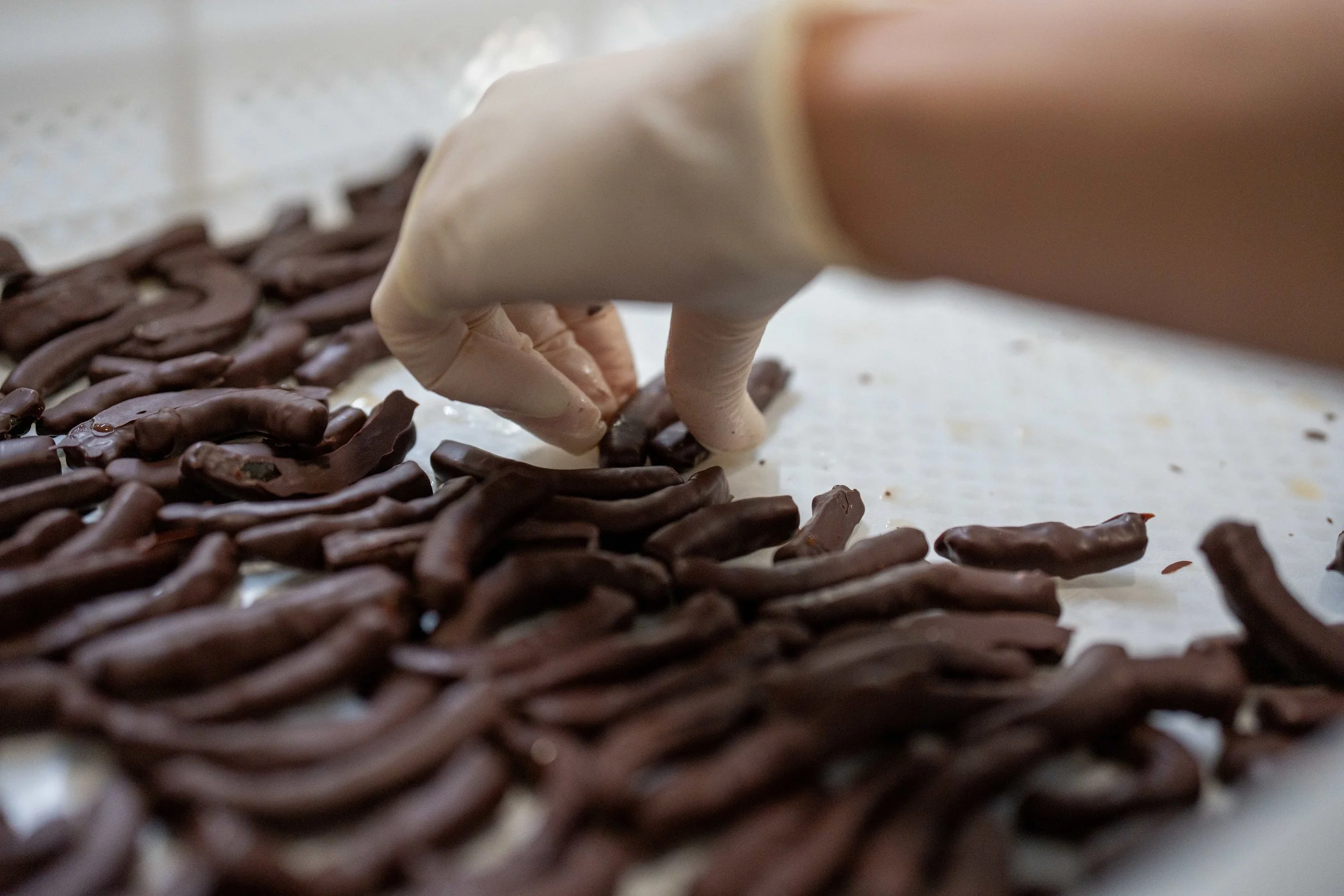
Maglio filetti d'arancia ricoperti
A horse-drawn buggy: since the Sixties, this has been the emblem of Maglio, the family-run chocolate company now in its sixth generation. This is an homage to the founder, Antonio, who, in 1875, settled in Maglie – a small town not far from Lecce, the beautiful Apulian city considered the local capital of Baroque – and established a horse-changing inn. His son, Giuseppe, eventually opened a café and confectionery shop in the center of the town. Cocoa entered the family tradition at the beginning of the XX century, when Dante Maglio–Giuseppe's son – started using chocolate to coat (and to longer preserve) locally grown candied fruits and marzipan cakes: the huge success directed the family business development, and between 1980 and 2000 the craft workshop turned into a modern company, with an international standing.
Over the last few decades, Maglio has focused on bean-to-bar production – amongst the very few in Southern Italy – selecting and roasting their own Forastero, Criollo, and Trinitario beans. Their special focus is on Criollo, selecting small plantations in Venezuela and Ecuador as a result of significant efforts to genetically map the plantations, recover ancient seeds, and crossbreed them with modern Criollo. They thus make sure to get the best quality and support local communities of growers, as is the case in Venezuela with Cuyagua cocoa from the homonymous campesina community, for which Maglio has a world exclusive.
Their fruit pralines are a must: figs, apricots, black cherries, clementines, kumquats, the renowned bergamots and cedri from Calabria, and more, as well as almonds, coated with the finest aromatic chocolates, are small blissful treats. Pure origin and vegan chocolate bars, spreadable creams, fruit jellies, and almond milk (a local specialty, also to be tasted in the gorgeous Leccese coffee) complete the range. You can find them in the three flagship stores in Puglia: Lecce, Bari, and Maglie. The latter offers a complete showcase of all Maglio products, with their beautiful packaging.
The store also hosts a wine bar, and, in the summer months, an ice cream parlor operates in the adjacent courtyard. On the first floor, the Maglio Museum showcases memorabilia, documents, machinery, and tools collected over the years. To visit the museum, a phone reservation at + 39 0836 424609 is recommended. It is also possible to see the factory: tours are intended for small groups and must be booked two months in advance by calling + 39 0836 427444 or contacting them via email.
Modica
The Bonajuto legacy
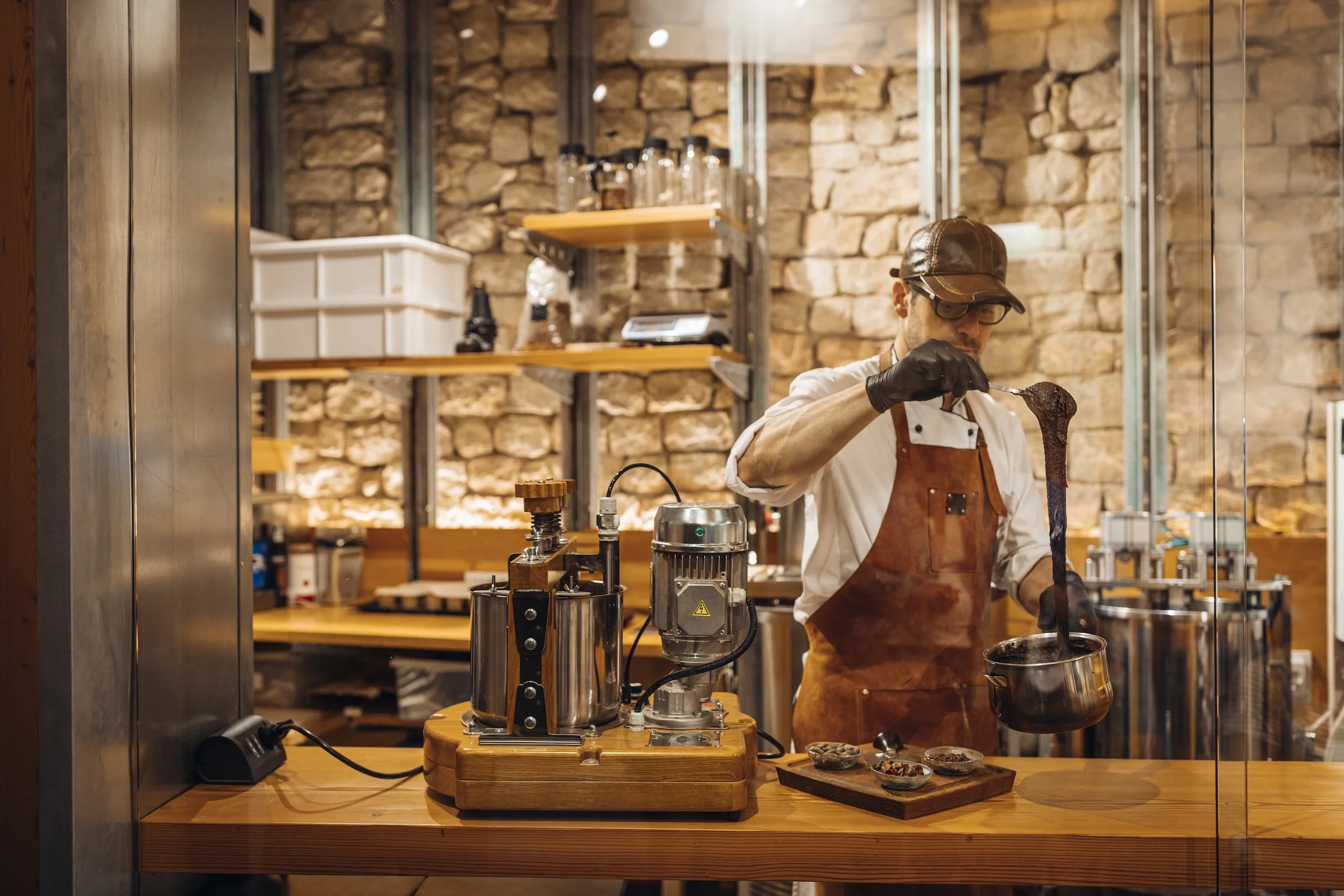
Antica Dolceria Bonajuto’s Fattojo tour and chocolate experience
In Sicily, chocolate took a different turn compared to the rest of Italy, a tradition that is still alive today. In the seventeenth century, the Spanish introduced the habit of consuming the exotic product imported from the Americas. Mainly used to brew a delicious hot drink, chocolate was made without the conching process, a refining process that turns roasted, ground, and liquefied cocoa beans, with cocoa butter added, into a smooth, even fluid mass.
Reminiscent of the ancient manual process used by the Aztecs (and the Mexicans until the nineteenth century), this process allows for a distinctive taste and rough texture from unmelted sugar crystals. Handed down by the island’s nuns for at least one century, this traditional production was saved from oblivion between the 20th and 21st centuries by a few local craft confectioners in Modica, the breathtaking Baroque city, part of UNESCO's World Heritage Sites along with the surrounding Val di Noto area.
It gained world-renowned esteem and, in 2018, Modica became the first Italian chocolate to be certified under the European Union's Protected Geographical Indication (PGI) scheme. Yet, some of the leading local producers disagree with the regulation and have chosen to withdraw from the Cioccolato di Modica PGI label. Among them is the Antica Dolceria Bonajuto, led by Pierpaolo Ruta, who, together with his father Franco, was the main "savior” of this precious and rare delicacy. Entering the charming Dolceria, in a picturesque alley of the central Corso Umberto set up like an outdoor lounge, it feels like taking a step back in time: the old-fashioned emporium is filled with beautiful wooden furniture and boiserie, display cases with period objects and records, ancient tools and the multicolor shades of the several tablets where the coarse and unique texture of the chocolate resulting from the ancient low-temperature processing meets a wide array of local or exotic flavors (from Sicilian citruses to marjoram, ginger and other spices) or enhance the pure taste of single origin cocoas, including the bean to bar ones from Venezuela, Mexico, Peru and Colombia.
In the open laboratory at the back, they still also make traditional cakes such as cannoli or 'mpanatigghi, biscuits filled with a mixture of meat and chocolate. Just a few steps away, though, the tiny and interesting Fattojo: while the name refers to the original producing venue set up in 800s by Francesco Ignazio Bonajuto, and to his precious cocoa grinding machine, this is a modern laboratory where guests can follow the bean to bar producing process – including roasting, crushing, grinding and tempering – while listening to the Dolceria’s history; and, of course, having plenty of tastings:‘mpanatigghi, nougats, and a delicious cold chocolate. The Fattojo tour and chocolate experience held in Italian or English, in separate shifts, from Monday to Sunday, excluding holidays – can be booked via the online calendar. Private tours for schools, tour operators, or special occasions can be arranged directly. While at Christmas and Easter, special activities for kids are planned.