
5 Top Craft Chocolate Trends for 2026, According to Experts
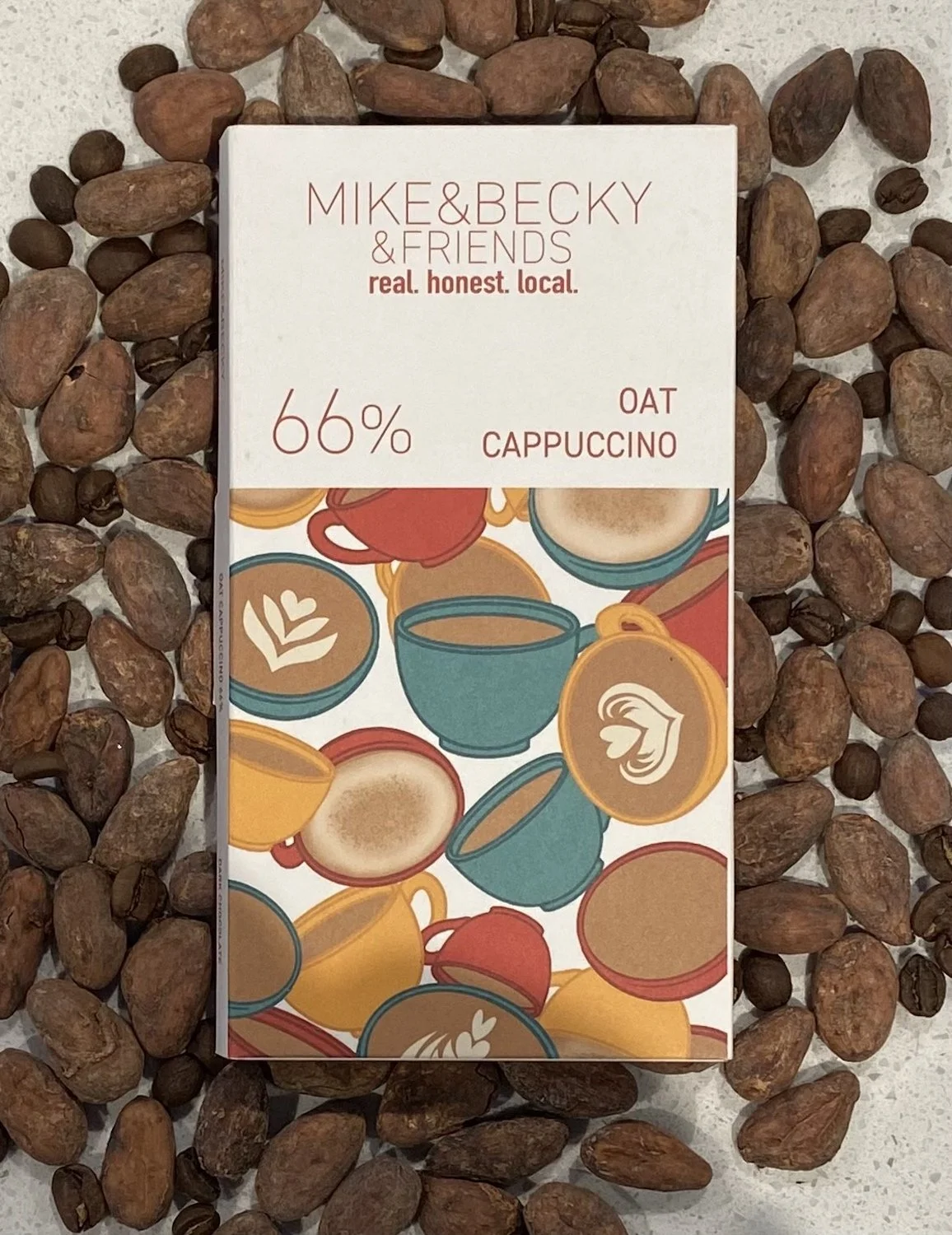
Mike & Becky’s Oat Cappuccino bar
Curious about the future of craft chocolate? Expect the near future to be defined by creativity and pragmatism, with makers experimenting more bravely than ever.
Seasoned experts and industry insiders, from well-respected importers to specialty chocolate makers, shared what flavors and innovations they see as shaping craft chocolate now and in the immediate future. Their answers point to a mix of global influences, creative problem-solving, and shifting consumer preferences. For chocolate lovers, the message is clear: there’s never been a more exciting time to explore what’s possible in a bar.
Chocolate Infused With Tea and Coffee
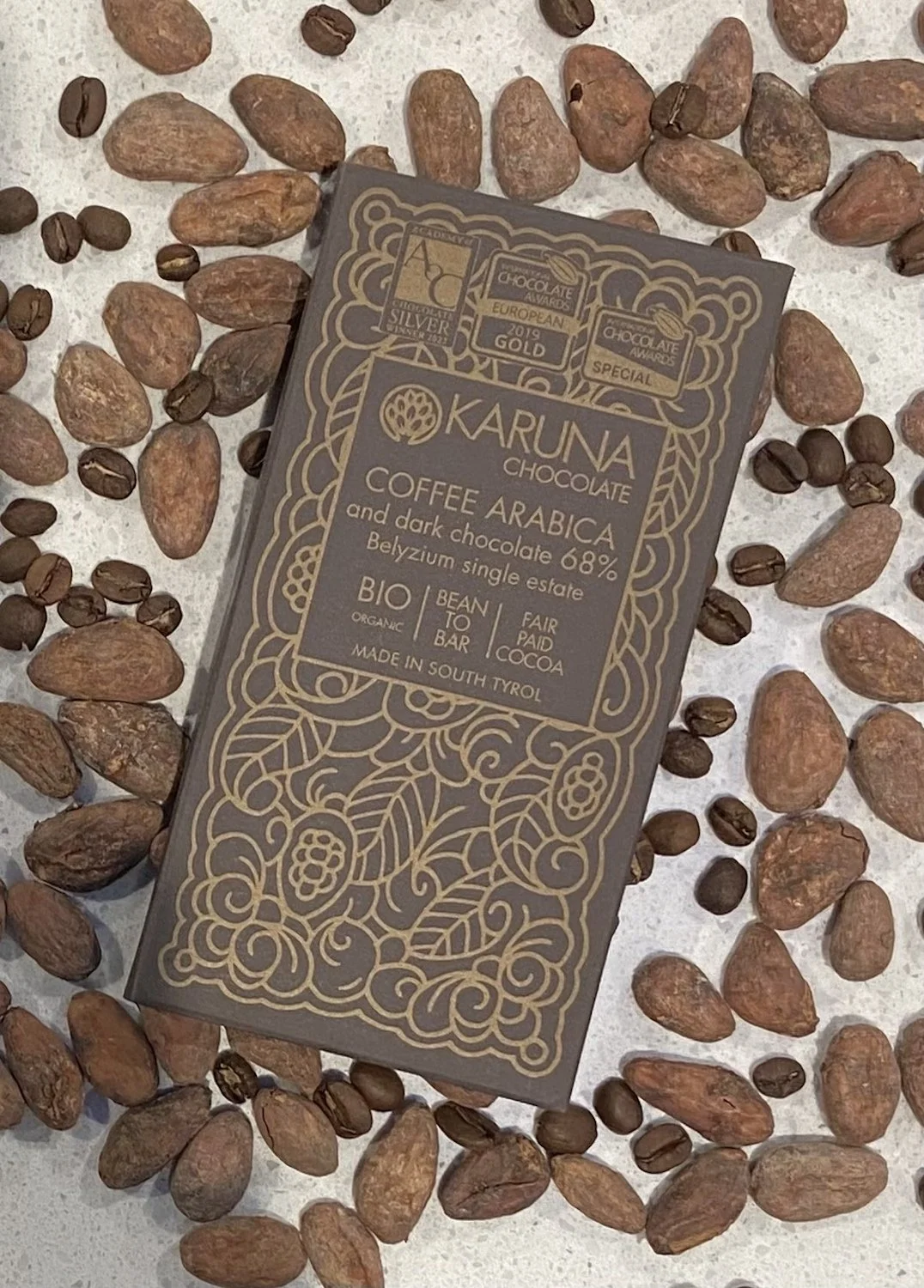
Karuna Chocolate’s Coffee Arabica and Dark Chocolate 68%, made with cacao from Belize
One of the biggest flavors currently in many chocolate makers’ repertoires is the addition of fine tea. Deanna Forder, who co-owns the Toronto-based chocolate factory The Organic House, predicts that tea-infused chocolate will continue to grow, with makers pairing specific teas with inclusions for more layered, aromatic profiles.
“There’s endless room to explore,” says Ella Selfridge of The Chocolate Squirrel, a Seattle-based chocolate importer. This approach, she notes, gives makers a way to stand out while working creatively within rising ingredient costs.
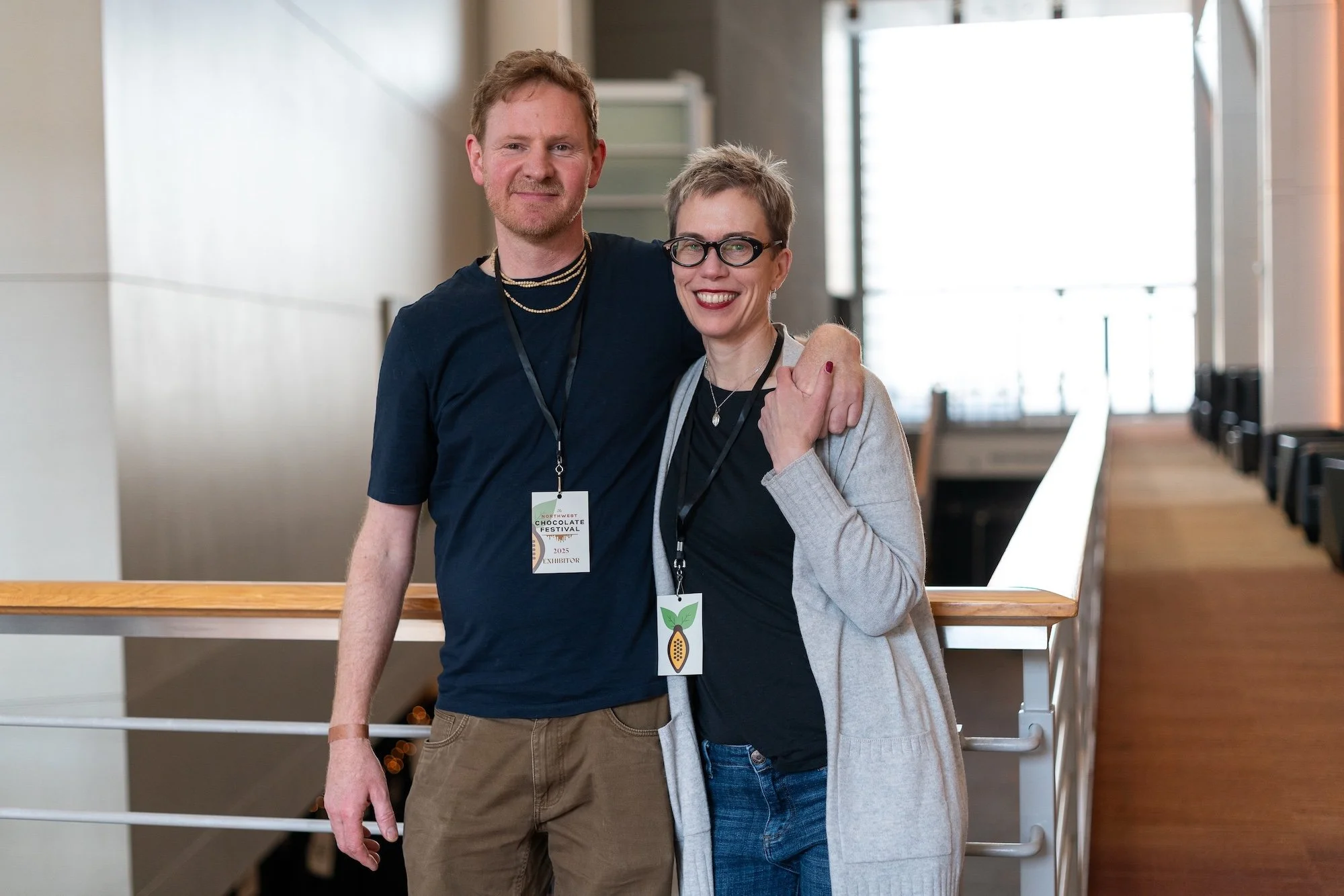
Chocolate importer Ella Selfridge, pictured here with Karuna Chocolate co-founder Armin Untersteiner
As an example, Selfridge points to KanVela Tree to Bar Chocolate out of Chiang Mai, Thailand. To make the KanVela Milk Chocolate Southern Thai Tea With Crispy Roti 55%, KanVela infuses Thai 55% milk chocolate with southern milk tea and bits of crispy roti, offering creamy notes from the cacao layered with spiced tea notes and crunch from the roti.
Selfridge also expects a longer-term trend toward pairing specific cacao origins with coffee, a move that blends two craft-focused worlds and highlights nuanced flavor through terroir-driven ingredients. Belgian makers Mike & Becky, for example, offer an Oat Cappuccino bar made with Colombian Torrefactory’s Santander coffee and 66% Dominican cacao from Oko Caribe, and Karuna Chocolate out of South Tyrol, Italy, retails an organic Coffee Arabica and Dark Chocolate 68% with cacao from Belize.
Bars With Global Flavors and Inclusions
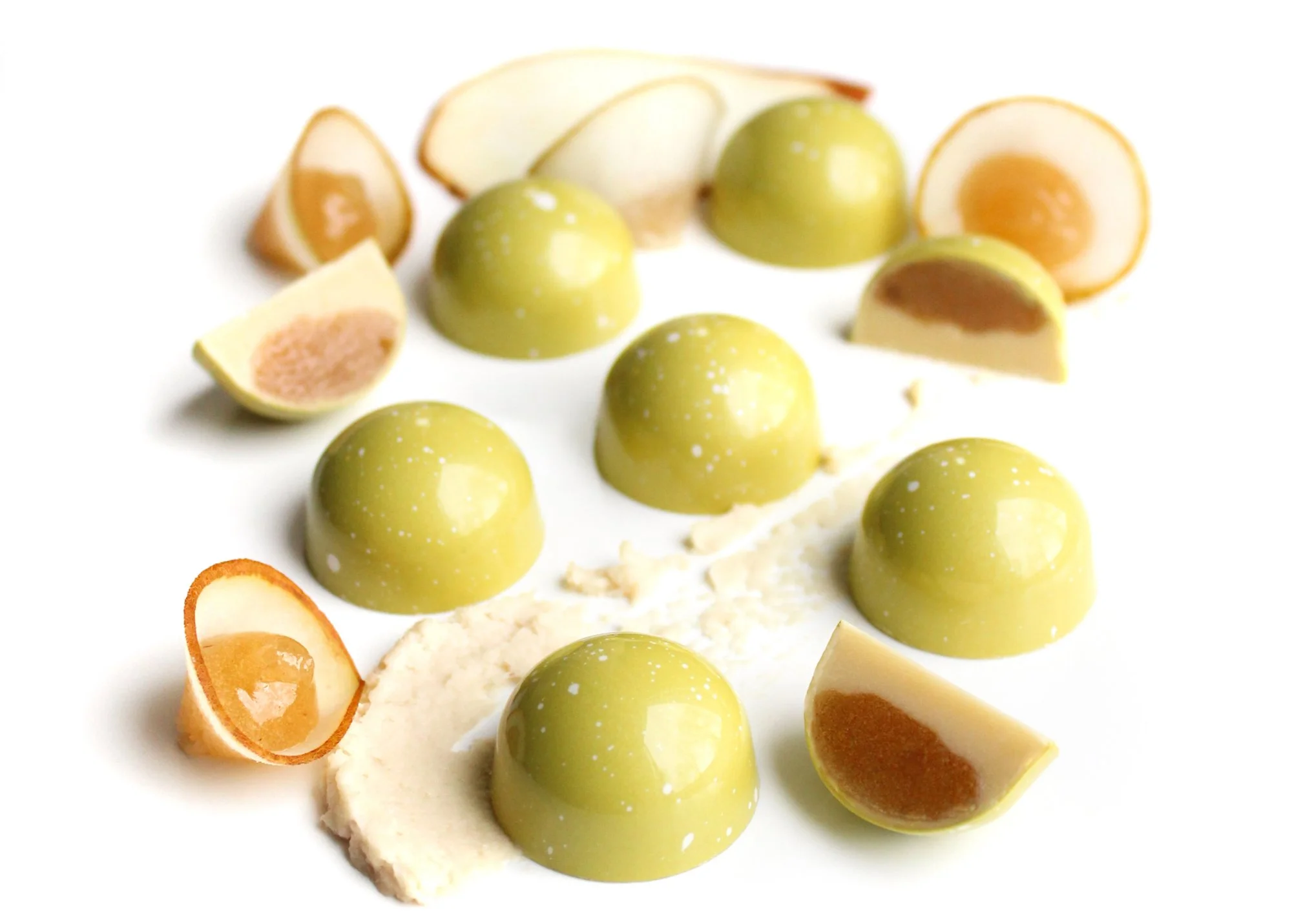
A pear sake bonbon from Mellis Chocolate. Photo credit Mellis Chocolate
Across the board, makers agree that inclusion bars — that is, bars featuring nuts, fruit, seeds, flowers, spices, and other add-ins — will continue to increase in popularity.
These ingredients often reflect global influences and local specialties. Think baru nuts, tropical fruits, Shangri-la Red Gala apples, white and black sesame seeds, botanicals like jasmine and Andean rose, spices such as Kampot pepper and cardamom, and even Scandinavian brown cheese.
Toronto makers Erwin Chen and Séverine Moreau of Mellis Chocolate expect chocolate flavors to continue reflecting globally inspired pairings, particularly from Asian and Latin American cuisines. Combinations like soy praline, yuzu, miso caramel, guava, chili lime, pear sake, durian, pineapple tatin, and tamarind resonate strongly with Gen Z and younger millennials who gravitate toward culinary playfulness.
Craft makers may not chase virality, but they’re certainly aware of its pull, the partners explain. Many new takes draw from social media food trends and flavors tied to international travel or luxury experiences that shape the broader conversation around chocolate.
Not only do inclusion bars sell well, but with global cacao prices rising, experts say they also help creators maintain margins by using slightly less chocolate per bar.
Better-For-You Chocolate
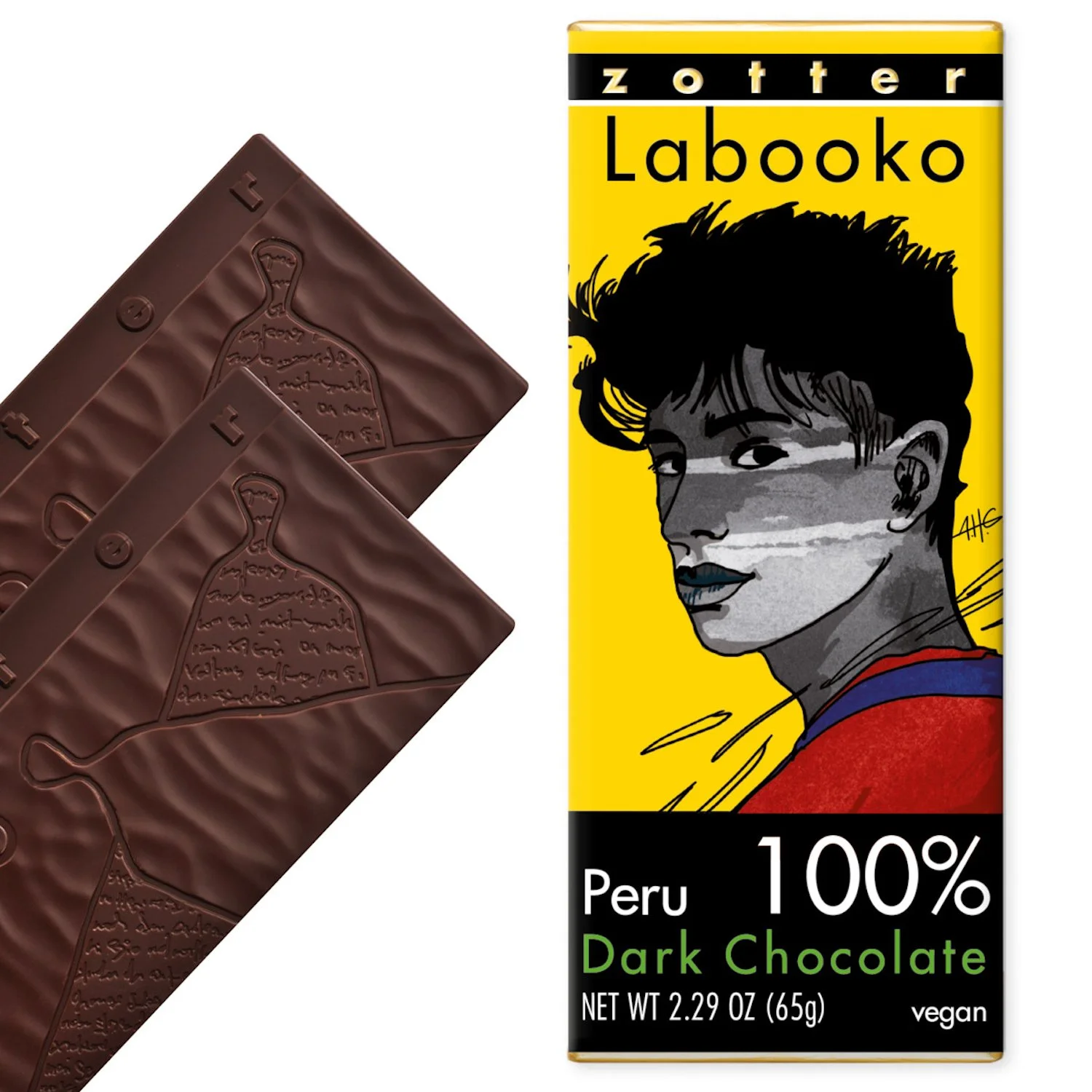
Customers are turning to pure unsweetened cacao bars, like this Zotter Labooko Peru 100%, as a healthier chocolate option. Photo credit Zotter USA
Industry veterans agree that better-for-you chocolate in its many forms — including high-percentage, low-sugar, and clean-label options — will continue to rise.
“People are concerned about sugar,” DesBarres Chocolate founder Ariane Hansen says, noting strong demand for high-percentage bars among those who have already explored craft chocolate and want to dive deeper.
Customers are gravitating toward 80%, 90%, and even 100% cacao bars to keep sugar intake low while obtaining more phytonutrients and antioxidants. They’re also looking for clean options with no additives.
Eventually, “we will see 100% bars being paired with fruit and nut inclusions, increasing the acceptance and sales of 100% bars,” Selfridge says. “The pairings would make the chocolate more palatable, pushing those higher percentage lovers to 100% bars.”
Experimental Ferments and Rare Origins
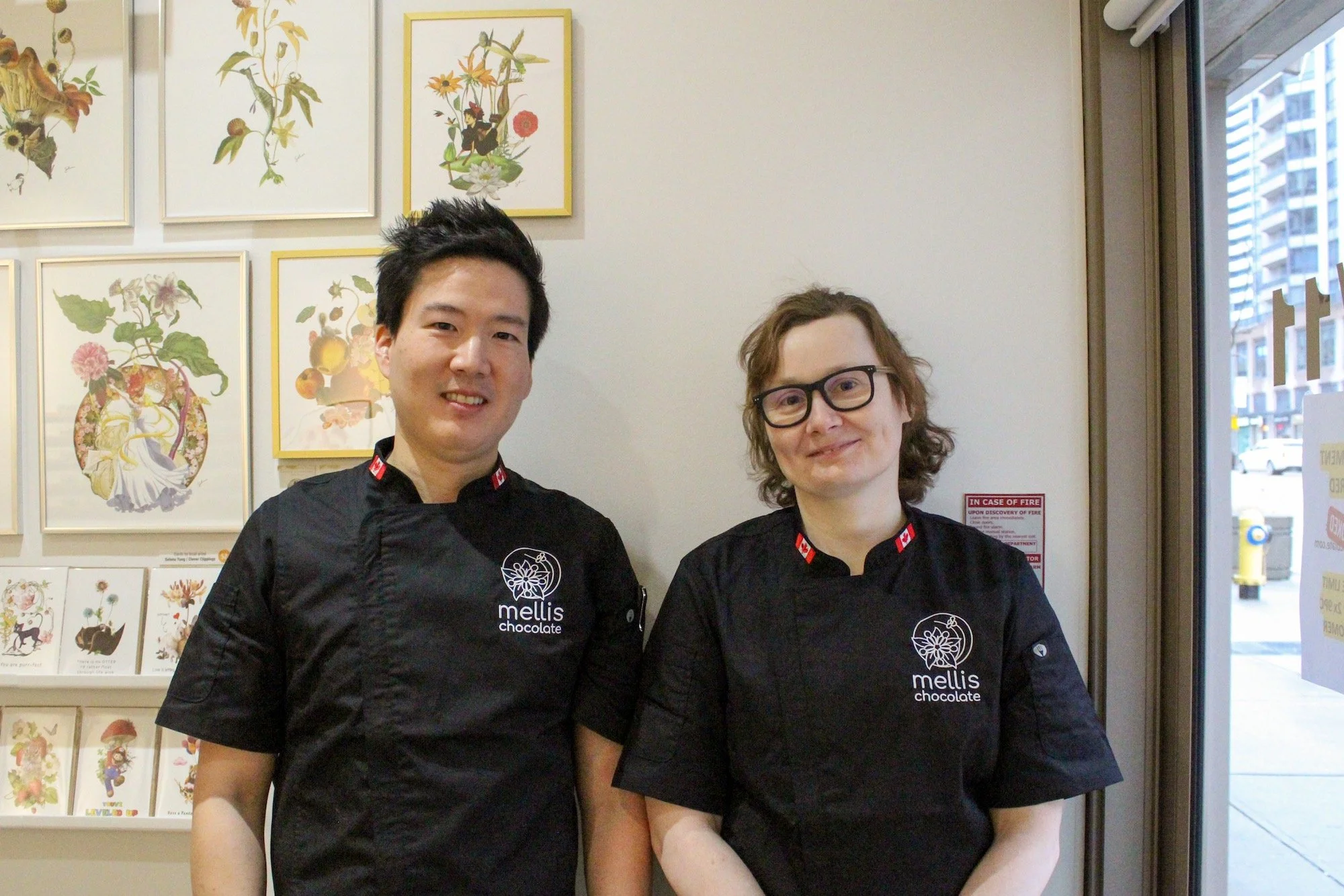
Erwin Chen and Séverine Moreau of Mellis Chocolate. Photo credit Mellis Chocolate
While experts do not foresee a dramatic shift in demand for specific origins, there is sustained interest in microbatches, rare origins, and experimental fermentation techniques.
“It could be interesting to see more experimental fermentation processes, potentially cross-influenced from specialty coffee, where they employ techniques such as anaerobic fermentation, co-fermentation, thermal shock, wild starter yeasts, and added enzymes, for example,” Chen and Moreau of Mellis say. While these techniques may not reach the mass market immediately, they signal where craft chocolate innovation is heading.
Value Shifts: Packaging and Smaller Formats
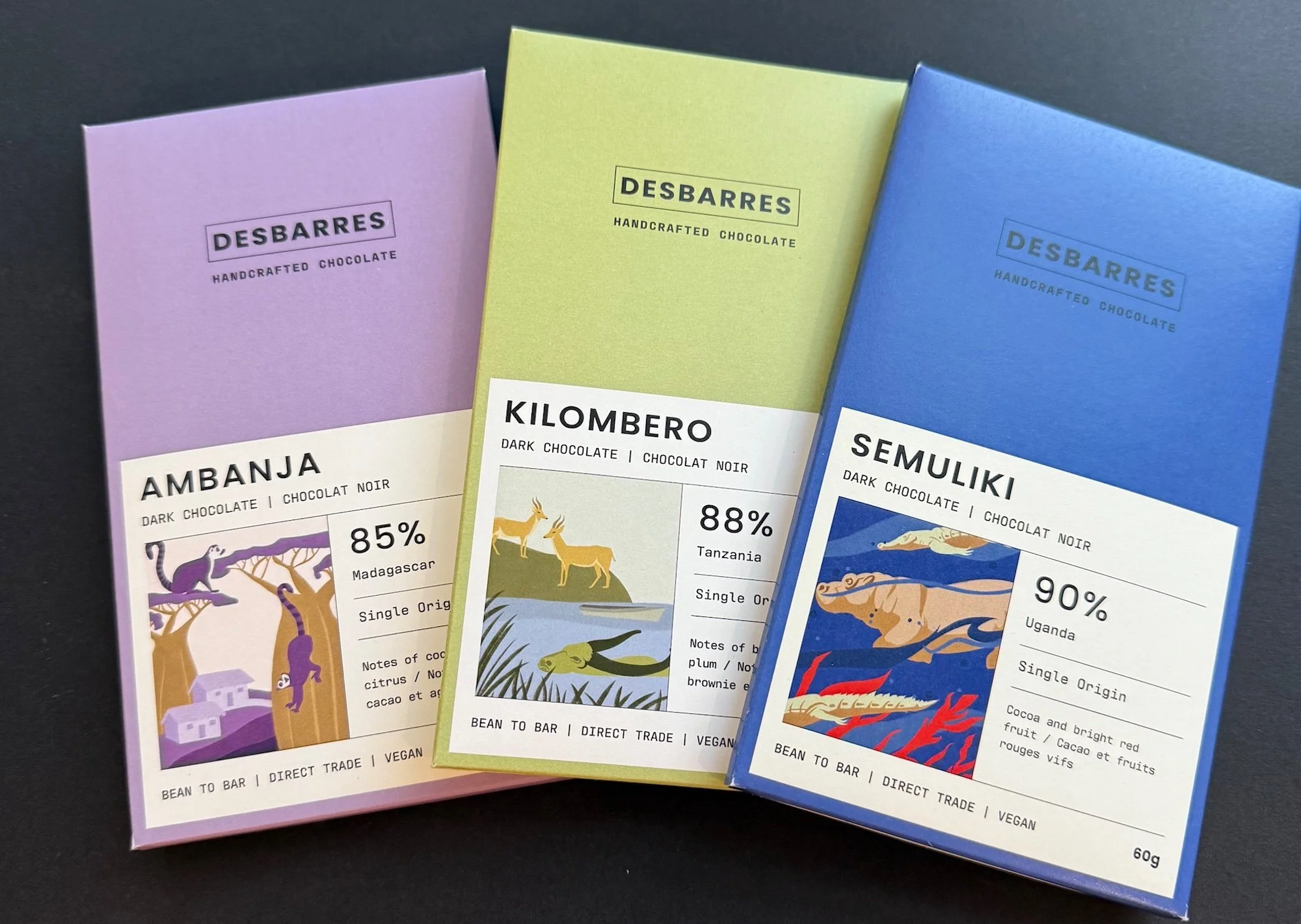
Single origin dark chocolate bars from DesBarres Chocolate
With cacao prices climbing and economic pressures tightening globally, packaging and format are becoming more important in consumer decision-making. As bar sizes shrink and chocolate becomes more of a considered purchase, buyers are looking for a sense of luxury, beauty, and honesty.
For instance, DesBarres Chocolate, which is made in Greater Toronto, has packaging designs that increasingly highlight flora, fauna, and cultural cues surrounding cacao origins, while maintaining a focus on sustainable, recyclable materials, says Hansen. With the exception of organic certifications for a niche consumer segment, Hansen believes that for consumers, packaging may eventually become more important than all other aspects of chocolate making.
At the same time, makers are introducing more mini-bars and half-sized formats as consumers become more cost-conscious. Smaller sizes, like a 20g version of Mike & Becky’s Oat Cappuccino bar, offer affordable entry points without compromising on quality, allowing consumers to indulge without committing to a full-sized bar.