
10 Wild Chocolate Bars to Try Now
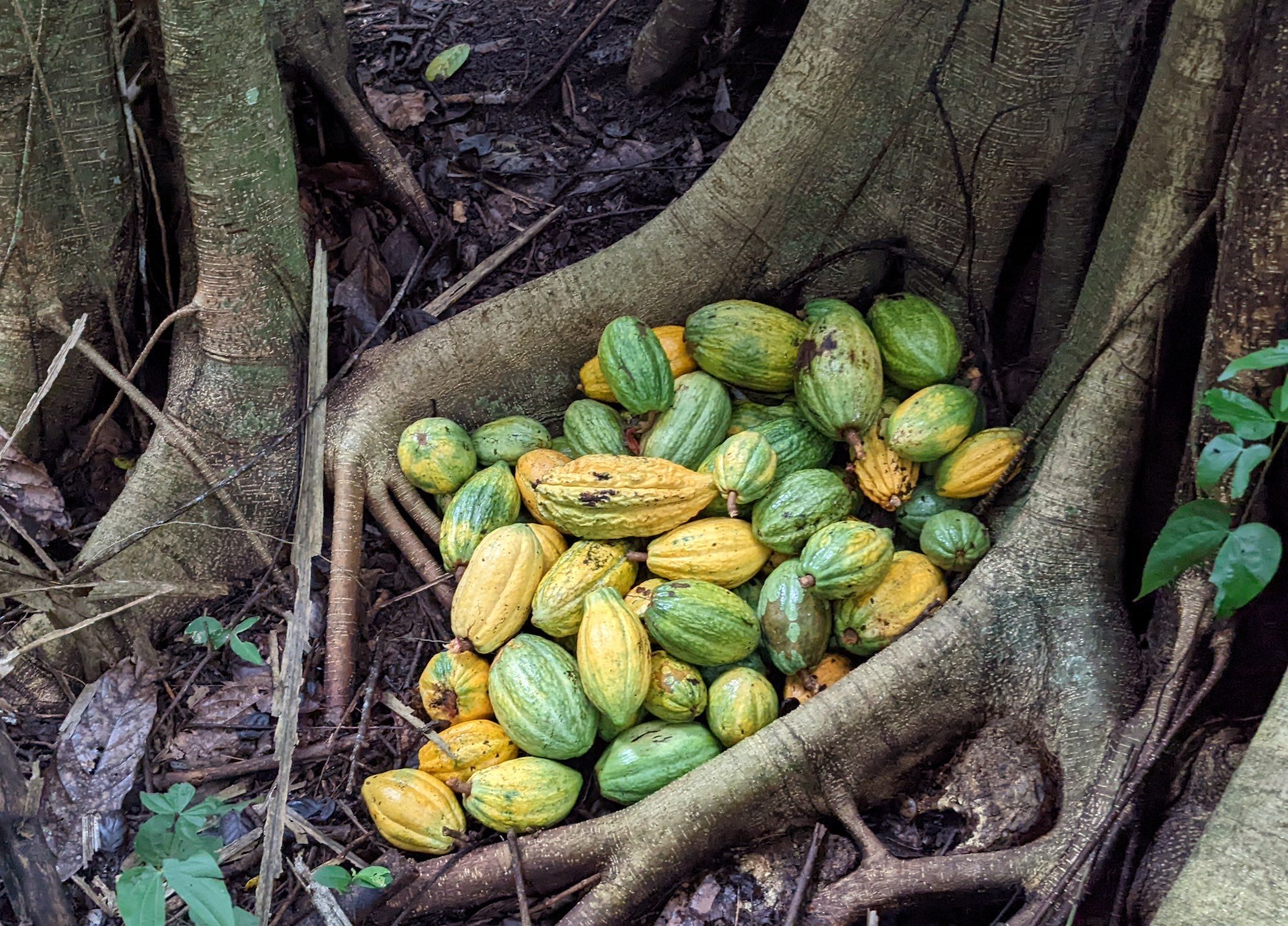
Storing wild cacao pods in tree roots. Photo credit Rowan Jacobsen
In recent years, wild and foraged foods have moved from the fringes of gastronomy into the culinary mainstream. From wild herbs and mushrooms to ancient grains and native fruits, there’s a growing appetite for rare ingredients, new flavors, and a deeper connection with nature. Now chocolate and cacao are becoming part of this movement, revealing flavors — and possibilities — that are transformative for our palates and the planet.
What Is Wild Chocolate?
When we say “wild chocolate,” we mean chocolate that’s made from heirloom cacao that grows beyond the boundaries of conventional agriculture. In some cases, ancient trees are truly untended, discovered deep in remote forests, and the ripe pods are foraged. In others, wild cacao has been found and brought into stewardship — cultivated with minimal intervention and in harmony with the surrounding ecosystem, rather than reshaped to fit with modern farming practices.
What unites these approaches is restraint and respect: a commitment to preserving the genetic, ecological, and flavor diversity of native cacao in its natural habitat.
Wild Chocolate Pioneers
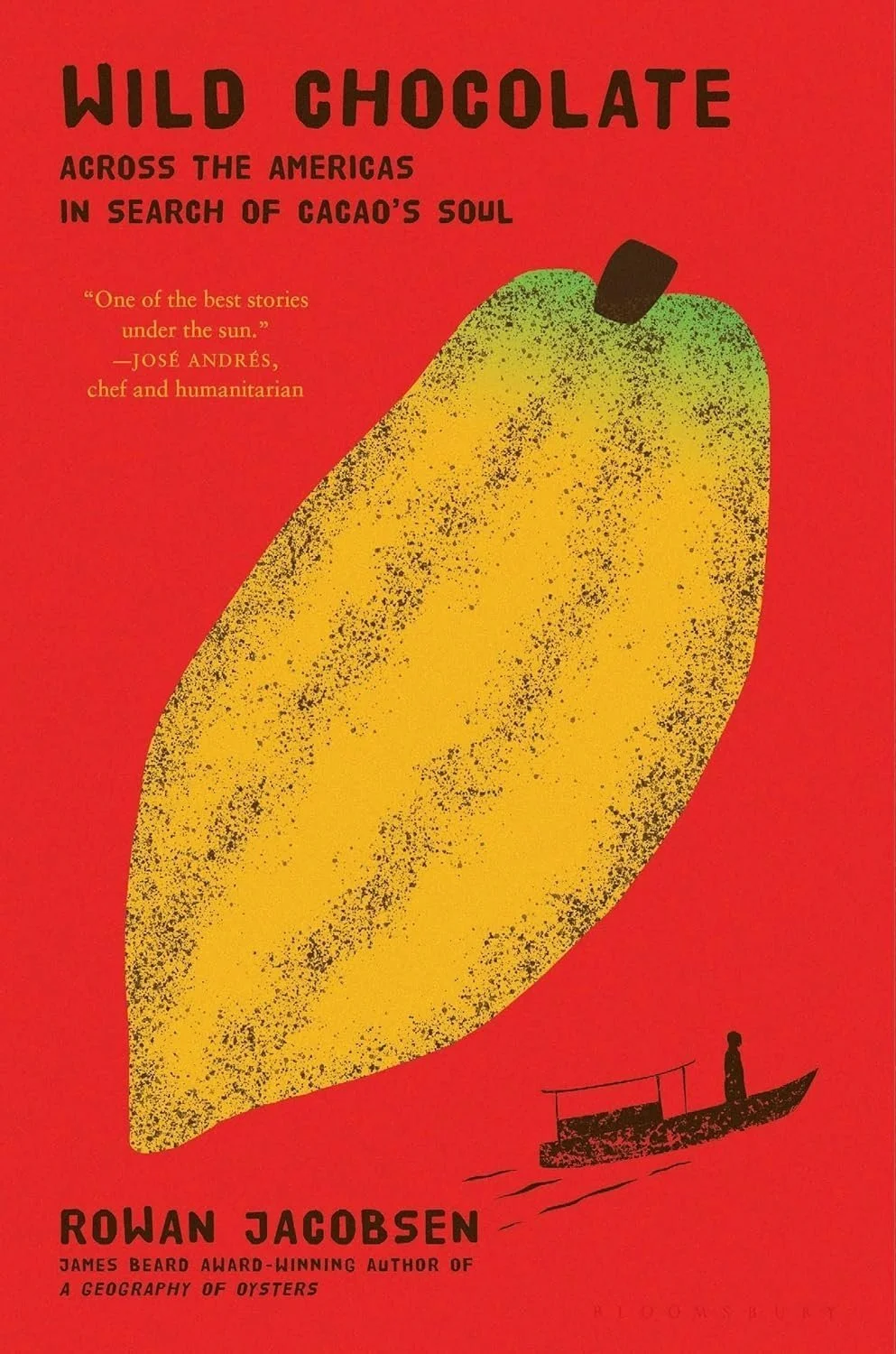
Rowan Jacobsen’s book, “Wild Chocolate.” Photo credit Bloomsbury
Two key figures in the modern wild chocolate movement are chocolate maker and sourcer Luisa Abram, working in Brazil, and agronomist and cacao supplier Volker Lehmann, based in Bolivia. Abram’s range of bean-to-bar chocolate has introduced chocolate lovers to the stories and flavors of wild cacao from across the Brazilian rainforest. Lehmann, meanwhile, has set up the most reliable supply of wild cacao for chocolate makers around the world. Together, these two pioneers have helped reveal just how extraordinary wild cacao can be, and their stories are explored in depth in Rowan Jacobsen’s fascinating book (and podcast), “Wild Chocolate.” (You can read our review of the book here.)
In Salt Lake City, Caputo’s Market & Deli has helped define wild chocolate as a movement, with its Wild Chocolate collaboration bar series. As part of the Caputo’s Preservation Program, profits from each of these bars are used to help fund conservation and support sustainable growing, demonstrating that chocolate can be both a sensory pleasure and a tool for environmental protection.
Rare by Nature
Still, wild chocolate remains deeply niche. Very few makers work with truly wild cacao, and availability is often limited by the harvest size and logistics. For many chocolate lovers, the most readily found example will be the Beni Wild 66% bar from Original Beans, which is widely stocked at chocolate shops and specialty food stores around the world.
But wild chocolate is much more than a novelty. These bars reveal singular flavors you won’t find anywhere else. In most cases, they showcase 100 percent genetically pure cacao varietals, untouched by cross-breeding for yield or disease resistance, a process that often comes at the expense of flavor.
Just as importantly, they represent a living archive of cacao biodiversity. As climate stress, extreme weather, pests and disease place growing pressure on global cacao production, these heirloom varieties may hold vital clues to the crop’s future resilience. Nonprofit organizations such as the Heirloom Cacao Preservation Fund exist to protect and save these fine-flavor cacao varietals, and the heritage of exceptional chocolate.
10 of the Best Wild Chocolate Bars
The 10 bars that follow are among the finest expressions of wild cacao available today. They’re extraordinarily rare and unforgettable glimpses of hidden forests, ancient trees, and forgotten flavors.
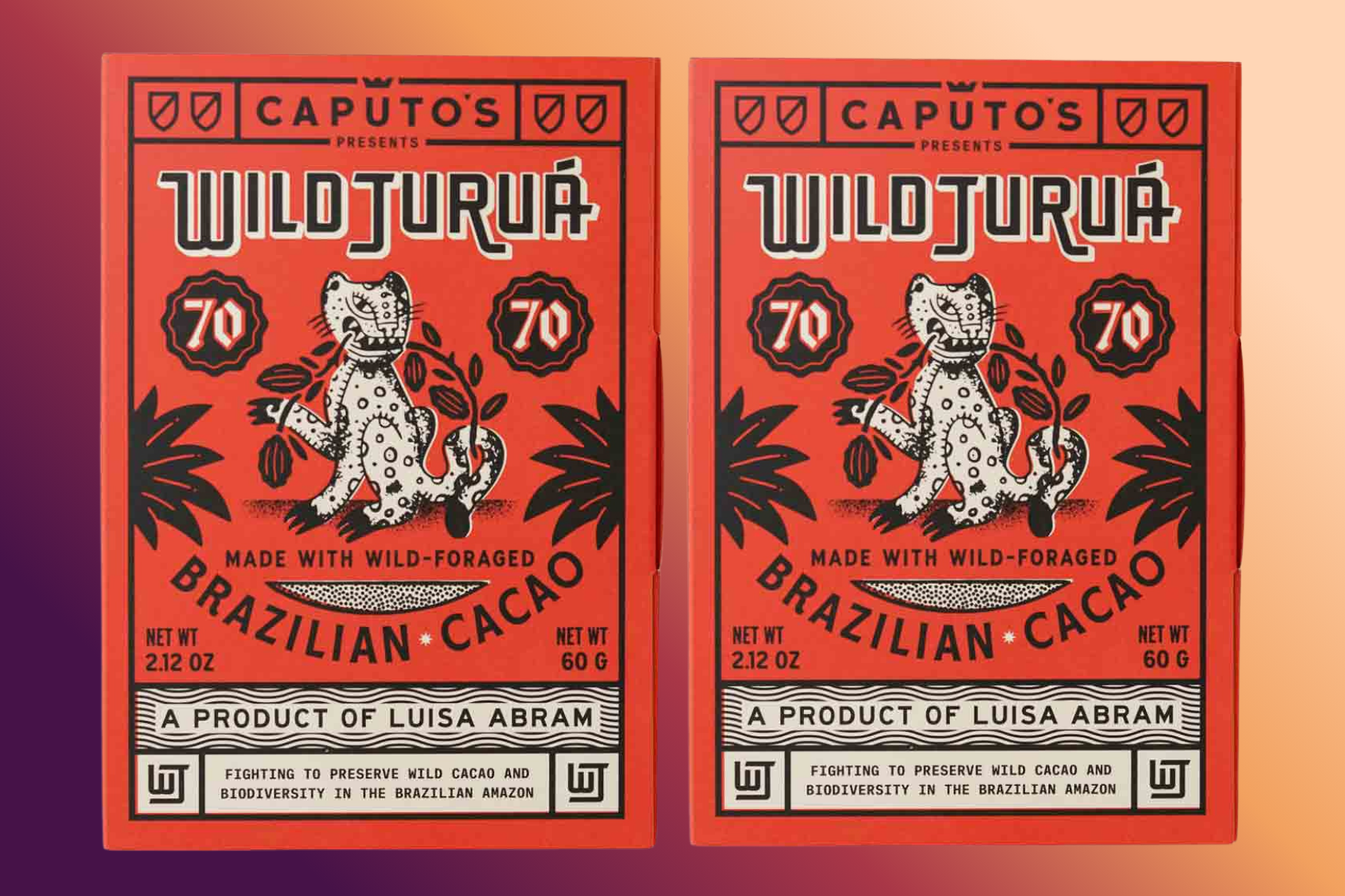
Wild Juruá 70%, a collaboration between Caputo’s and Luisa Abram. Photo credit Caputo’s
For centuries, wild cacao grew hidden along Brazil’s remote Juruá River, until chocolate maker Luisa Abram began working with local river-dwelling communities to harvest it. Abram’s trailblazing work with this extraordinary cacao helped redefine what fine chocolate could be. It was the singular flavor of these beans that inspired Caputo’s to launch the Wild Chocolate series and its Preservation Program — beginning with this very bar. Crafted in São Paulo, it delivers sensational floral aromatics, tropical fruit, toasted nuts, fresh-baked bread, gentle malt, and sweet spice. Both a sensory revelation and a conservation statement, this chocolate honors — and helps preserve — the Amazon’s incredible biodiversity.
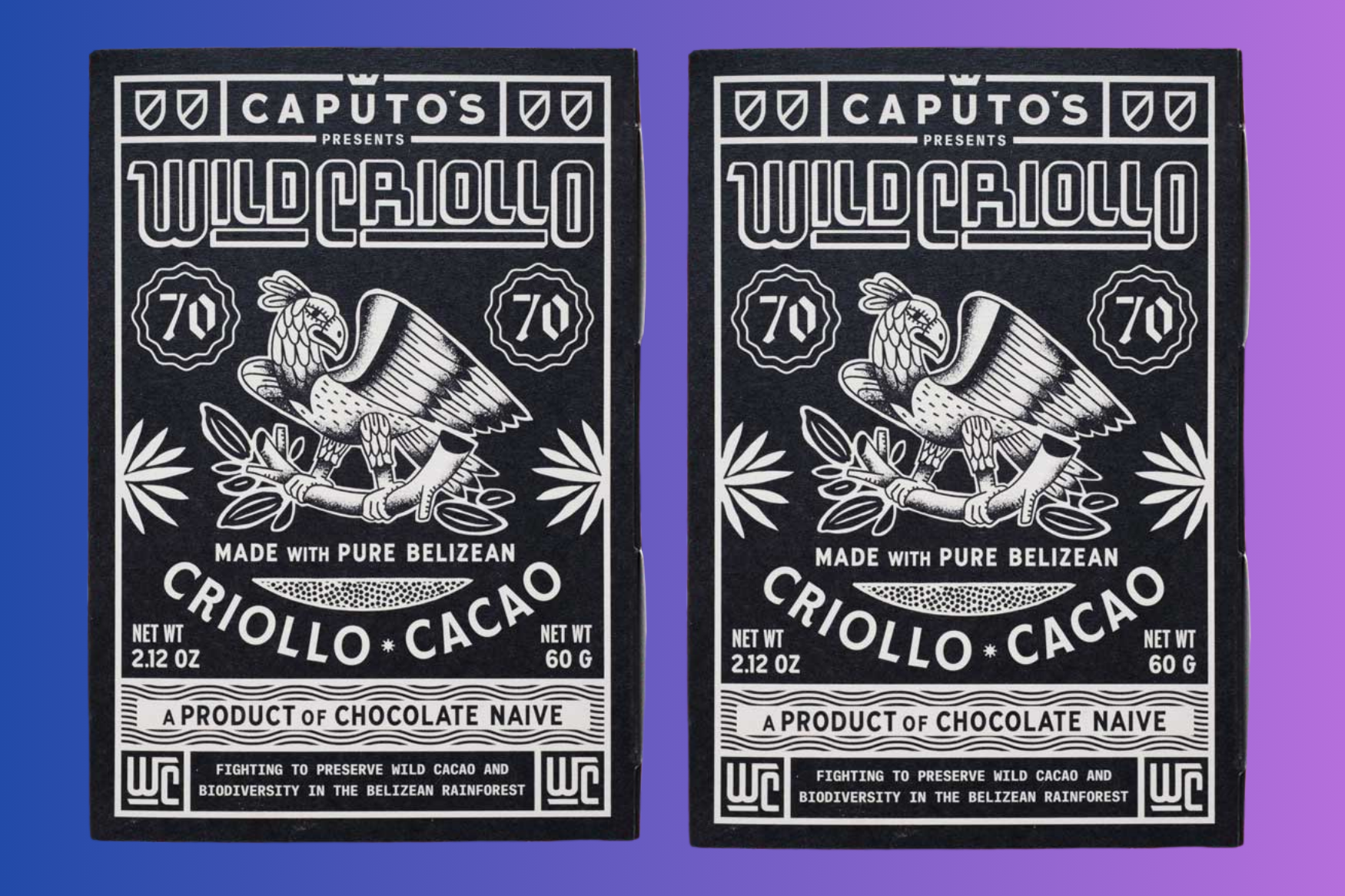
Caputo’s x Chocolate Naive’s Wild Criollo 70%. Photo credit Caputo’s
This unforgettable bar is made from cacao that conservationist Jacob Marlin discovered growing in a remote Belizean rainforest. This is some of the rarest cacao on Earth — 100% genetically pure Criollo, once believed lost to history. Thriving untamed in one of the planet’s most pristine ecosystems, these ancient trees are direct descendants of cacao revered by Indigenous civilizations, before hybridization reshaped the crop. Crafted in partnership with Lithuania’s Chocolate Naive and BFREE (Belize Foundation for Research & Environmental Education), this bar is both an archaeological and ecological marvel.
Through Caputo’s Preservation Program, 100% of proceeds are donated to support BFREE’s vital conservation work. As for the taste, expect a luxuriously creamy, fudgy, nutty profile, with gentle fruit notes and a hint of spice.
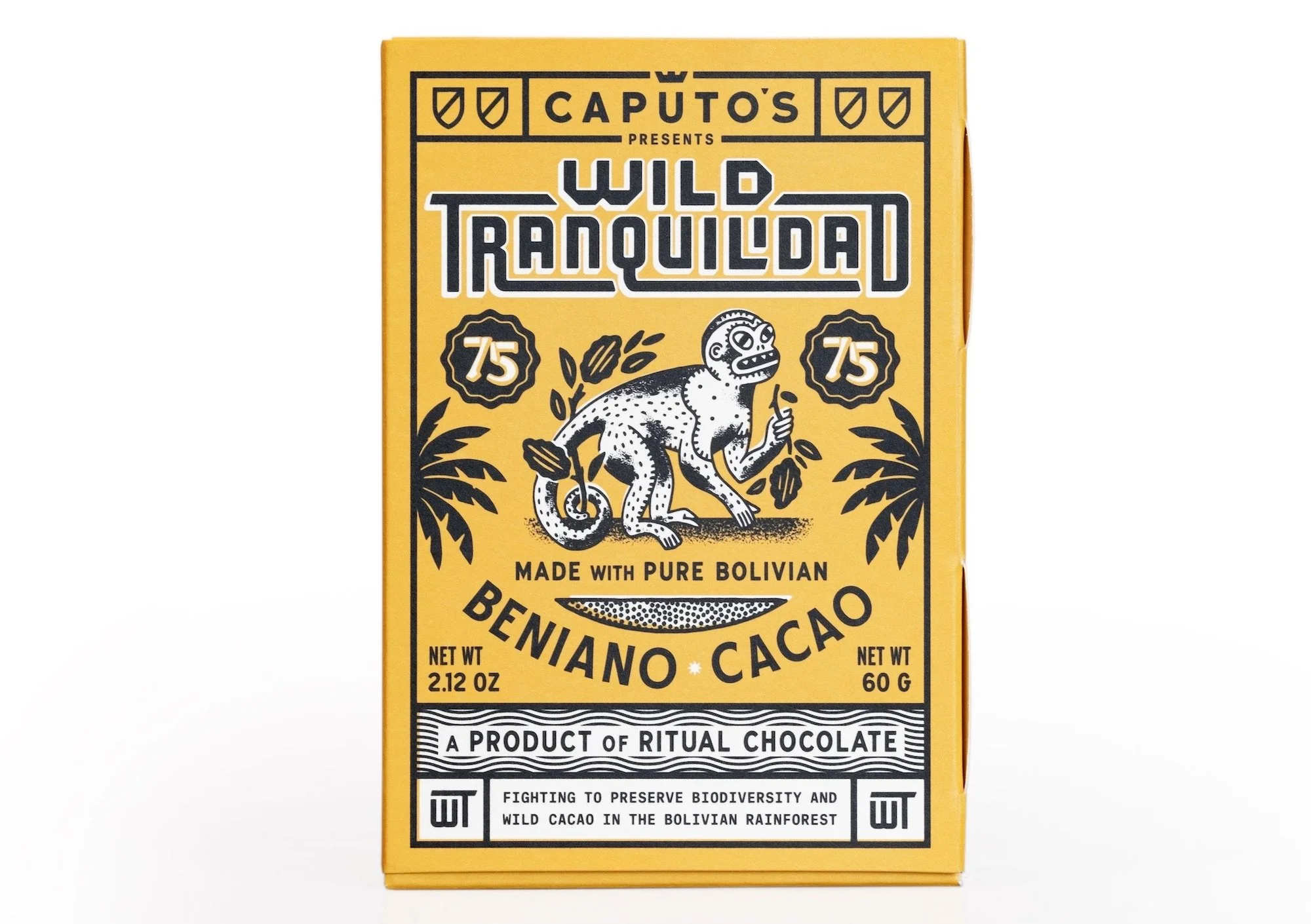
The Wild Tranquilidad 75%, a Caputo’s collaboration with Ritual Chocolate. Photo credit Caputo’s
Nine years in the making, this remarkable bar is the result of a deeply committed collaboration between Caputo’s and Utah-based Ritual Chocolate. Driven by a shared mission to celebrate wild cacao, it’s made with wild Beniano beans, discovered by agronomist Volker Lehmann in Bolivia’s remote Baures region. These phenomenal beans are transformed into 75 percent dark chocolate that begins with bright citrus flavors, warming spice and dried fruit, easing into resin, tobacco and a woody, deep cocoa finish.
By paying well above fair-trade prices and donating an additional dollar from every bar sold to Hacienda Tranquilidad, Caputo’s helps ensure Lehmann can continue protecting this rare cacao — and the rainforest it calls home — for generations to come.
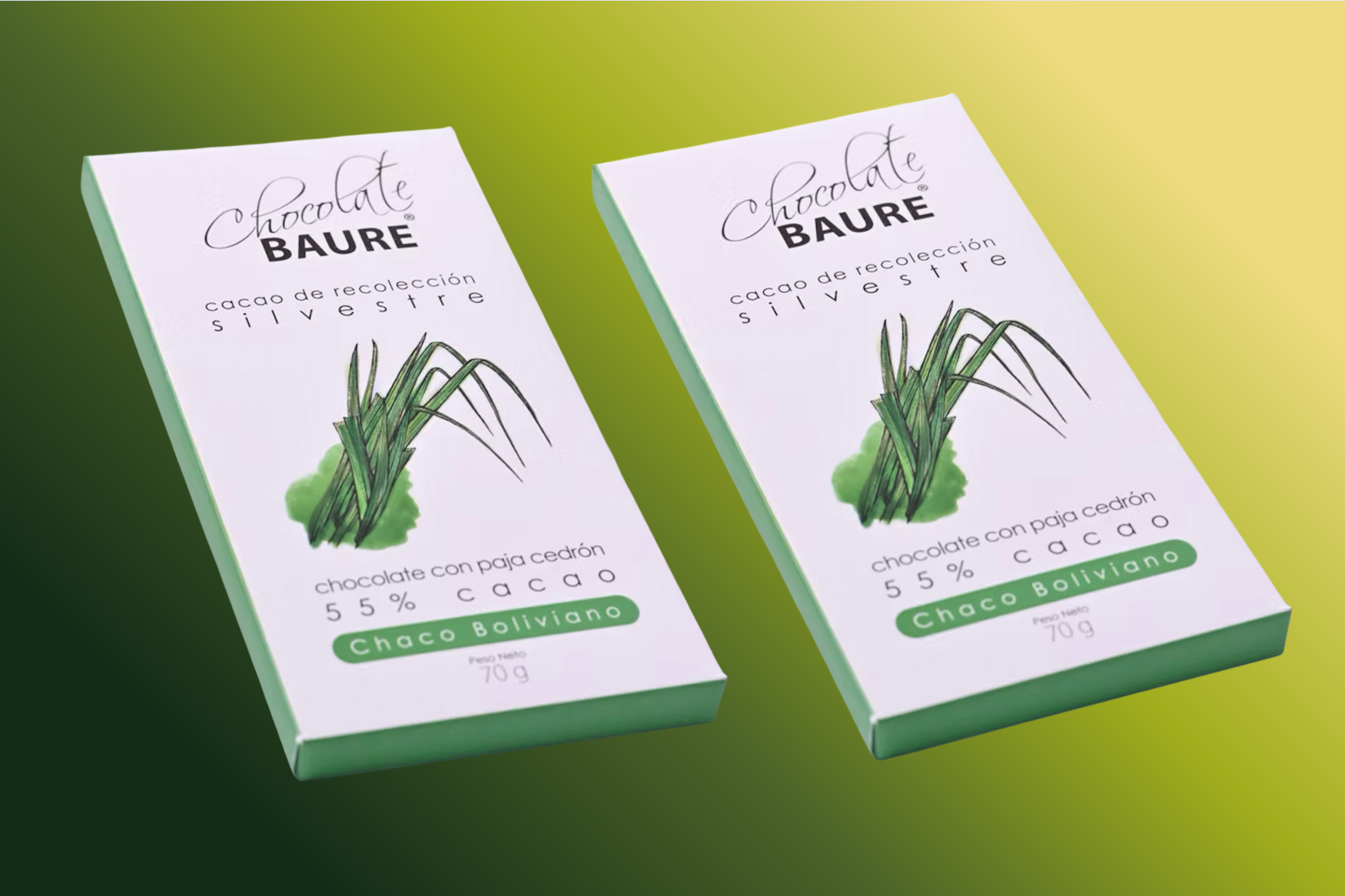
The 55% Dark Chocolate with Lemongrass bar. Photo credit Chocolate Baure
Chocolate Baure was founded by Marcela Baldivieso and David Vacaflores in 2001. During a life‑changing visit to Bolivia’s Amazon rainforest, they encountered the richness of wild cacao, inspiring them to create chocolate made exclusively from the region’s unique beans. Local families forage the cacao from once-forgotten trees deep in the Beni rainforest, then carefully ferment and dry the beans. This 55 percent dark bar is infused with fragrant lemongrass — widely used in Bolivia to flavor maté (tea) — adding a gentle citrus lift that brightens and complements the cacao without overpowering it.
Thanks to the Wild Cacao foraging initiative, families in the Beni region increased their annual income from around $300 to $3,000 in just one year.
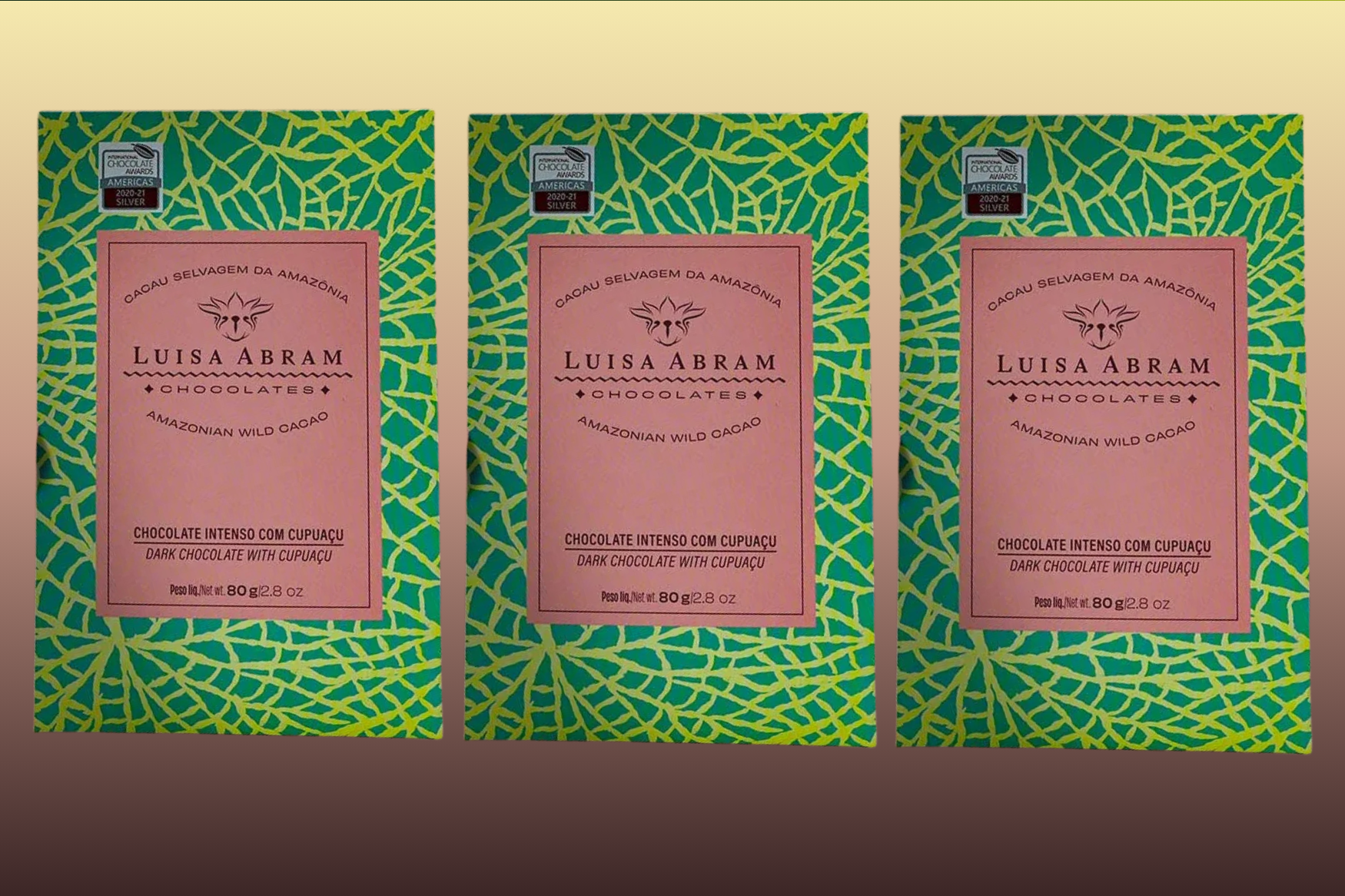
70% Dark Chocolate with Capuaçu. Photo credit Luisa Abram
This award-winning bar showcases Luisa Abram’s pioneering work with wild Amazonian cacao, and it’s no surprise it’s one of her best-sellers. Crafted from cacao grown along the Tocantins River in Pará, it’s studded with pieces of crystallized wild cupuaçu — a fragrant Amazonian fruit and close relative of cacao. The result is a mouth-watering interplay between the depth of wild cocoa and the bright, fruity acidity of cupuaçu, unfolding into notes of caramel, honey, orange, and lemon. Luisa Abram’s commitment to sourcing and celebrating wild cacao has helped define the modern wild chocolate movement, and this bar captures that spirit beautifully.
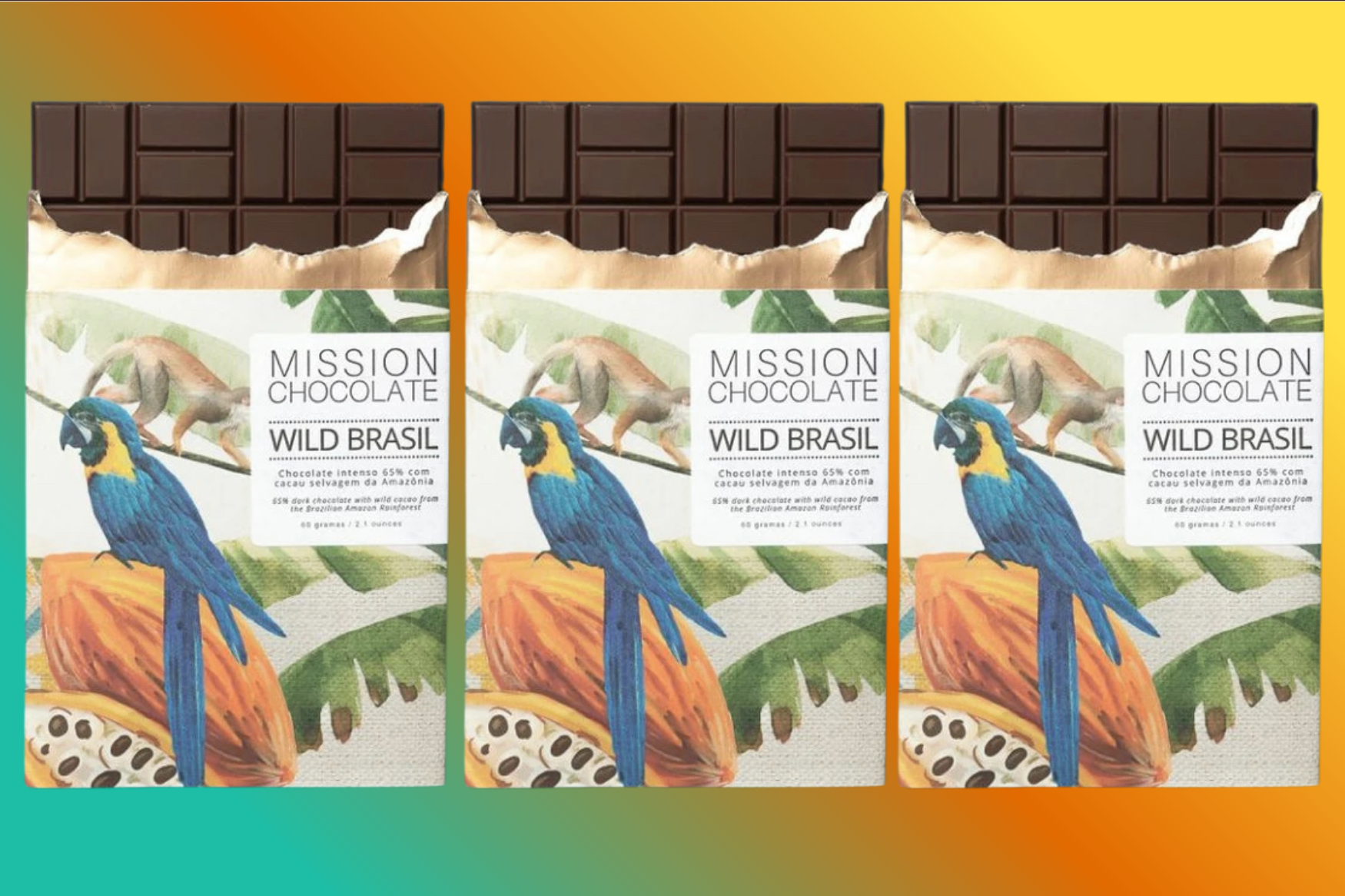
Mission’s Wild Brasil 65%. Photo credit Mission Chocolate
Made with just three ingredients — wild Amazonian cacao, organic sugar, and cocoa butter — this bar is a beautiful expression of cacao grown and gathered deep in the rainforest. The beans are wild-harvested by local Amazonian communities, then carefully fermented and dried at a regional cooperative to preserve their natural aromatic depth. Crafted by Arcelia Gallardo and her Mission Chocolate team in São Paulo, it delivers a delectably smooth chocolate profile with inviting notes of freshly baked brownie and buttery brioche, alongside subtle earthy tones and gentle tropical fruit. Consciously sourced and minimally crafted, this is chocolate with the soul of the Amazon.

Fir Wild Bolivia 70%. Photo credit Palette de Bine
This unique bar brings together two wild landscapes in an unforgettable tasting experience. The Beniano cacao is so rare and difficult to access that Palette de Bine receives a shipment only once every two years. The beans are remarkably small and require careful handling and very delicate roasting. During stone grinding, young fir shoots — foraged locally in Québec’s Laurentian forests — are added, infusing the chocolate with a fresh, piney aroma. Handcrafted in small batches in Mont-Tremblant, this gold-medal-winning bar is crafted with meticulous respect for nature and provenance. It’s a striking meeting of terroirs: deep, earthy cacao perfectly paired with lemony, evergreen notes.
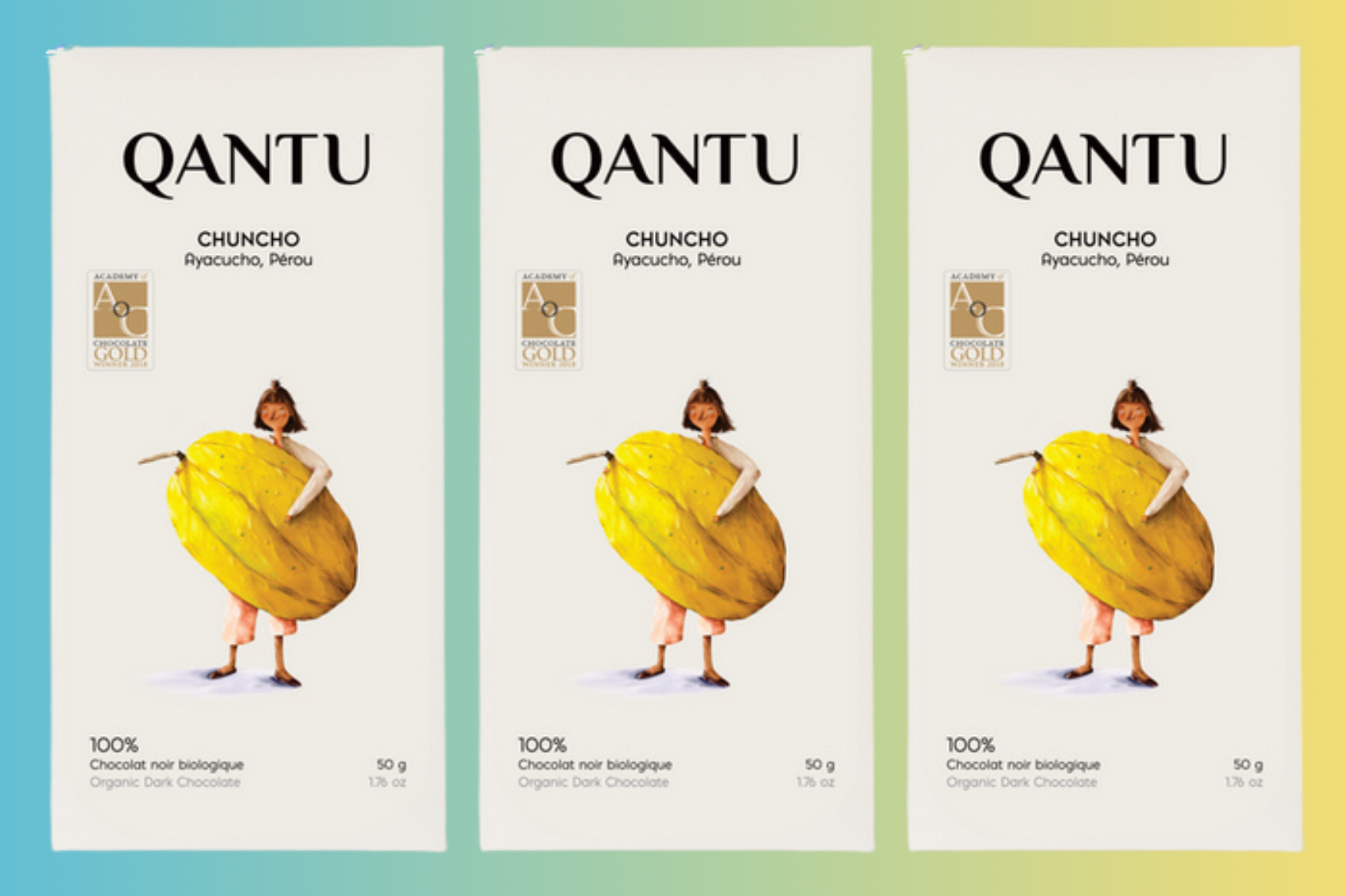
Qantu’s Chuncho 100% bar. Photo credit: Qantu Chocolate
Qantu’s Chuncho 100% is a rare and remarkable expression of wild Peruvian cacao from La Mar, Ayacucho — crafted by Montreal-based chocolate makers Elfi Maldonado and Maxime Simard. Guided by their passion for small-batch, bean-to-bar chocolate, Elfi and Maxime create bars that showcase the unique character and subtle complexities of the rare cacao varietals they source.
The tiny, ancient Chuncho beans are naturally gentle yet complex, and their small size means they require only a brief three-day fermentation, in order to preserve delicate flavors. This 100 percent cocoa bar is remarkably smooth and naturally sweet (without any added sugar), and reveals notes of cinnamon, apricot jam, hazelnuts, and nutmeg.
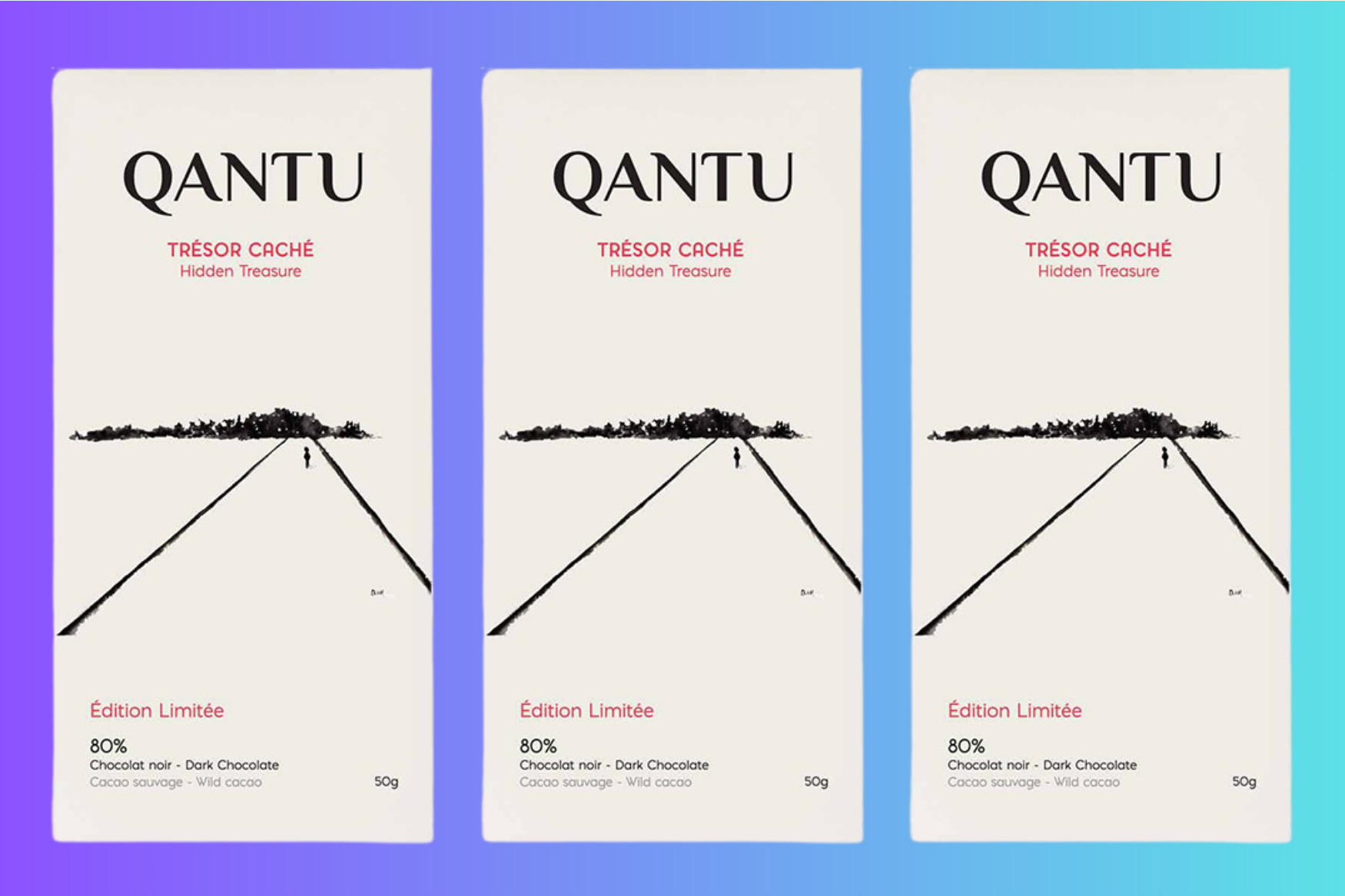
Qantu’s Hidden Treasure 80% bar. Photo credit: Qantu Chocolate
Qantu’s Hidden Treasure 80% celebrates immensely rare cacao from Selva, central Peru, in a very limited-edition bar that showcases unparalleled flavor. Foraged by a single dedicated farmer, the elusive white cacao is crafted into chocolate with an unusually fudgy texture and deep, nutty flavors. Notes of tobacco, roasted hazelnuts, and subtle mushroom-like umami unfold slowly on the palate, creating a sensory experience that feels amazingly mellow and balanced, despite its high cocoa content. Designed to be savored in a world that moves too fast, Hidden Treasure is an unforgettable experience for discerning chocolate lovers.
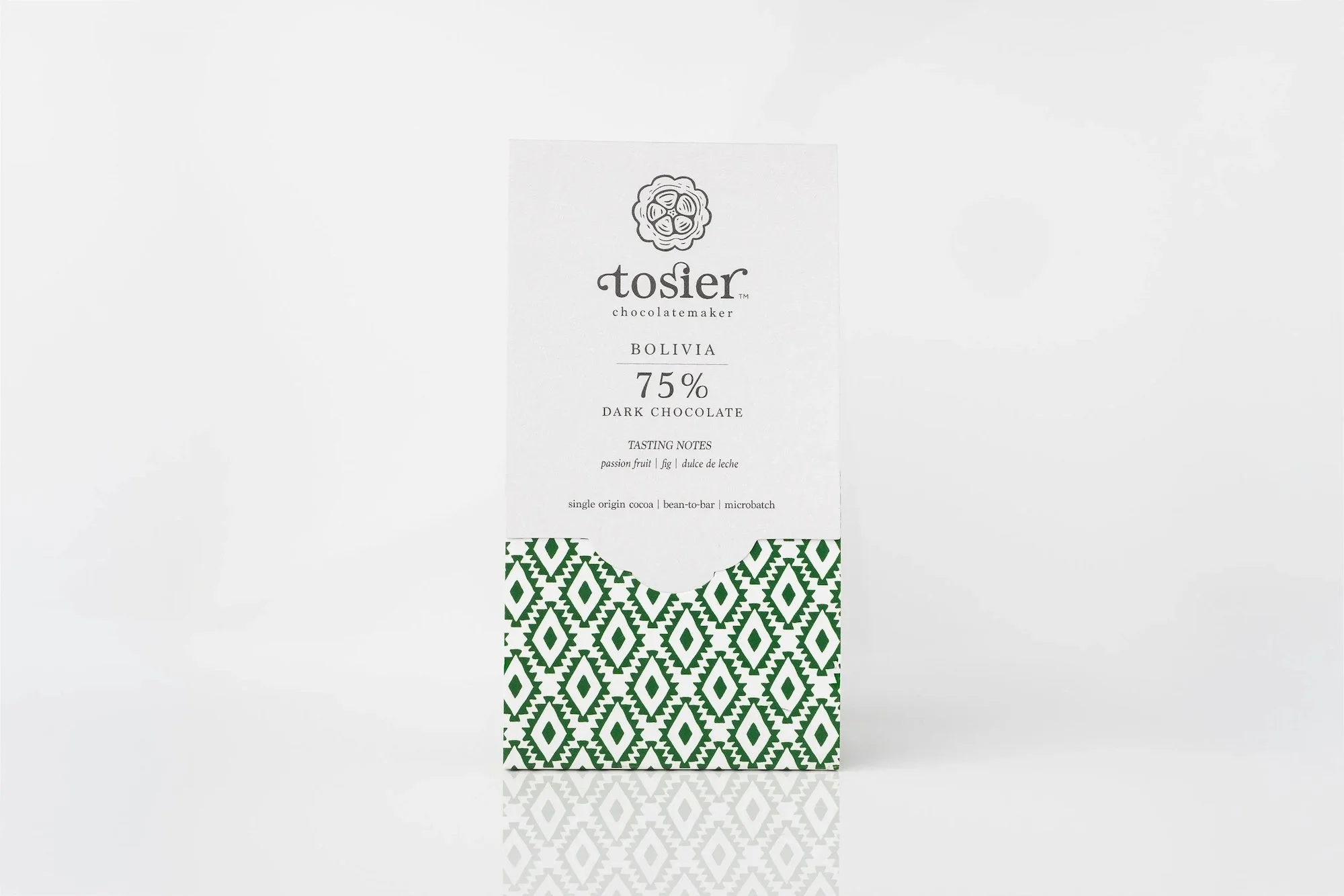
Tosier’s 75% Beniano. Photo credit Tosier Chocolate
Tosier’s 75% Beniano Wild Cacao bar is another outstanding expression of heirloom cacao from the Bolivian Amazon. These beans deliver a complex, nuanced flavor that naturally varies from harvest to harvest, reflecting the unique conditions of each season. Expect floral and berry notes alongside hints of passion fruit, fig, and dulce de leche. Proudly produced in small batches by Deanna Tilston at Tosier’s factory in Suffolk, each step — from sorting and winnowing to grinding and conching — is carefully handled to highlight the beans’ intricate character. With provenance and traceability at its core, this bar supports farmers and cacao-growing communities while celebrating the incredible flavor of Beniano cacao.