
Kokoa Kamili’s Impact on Fine Chocolate
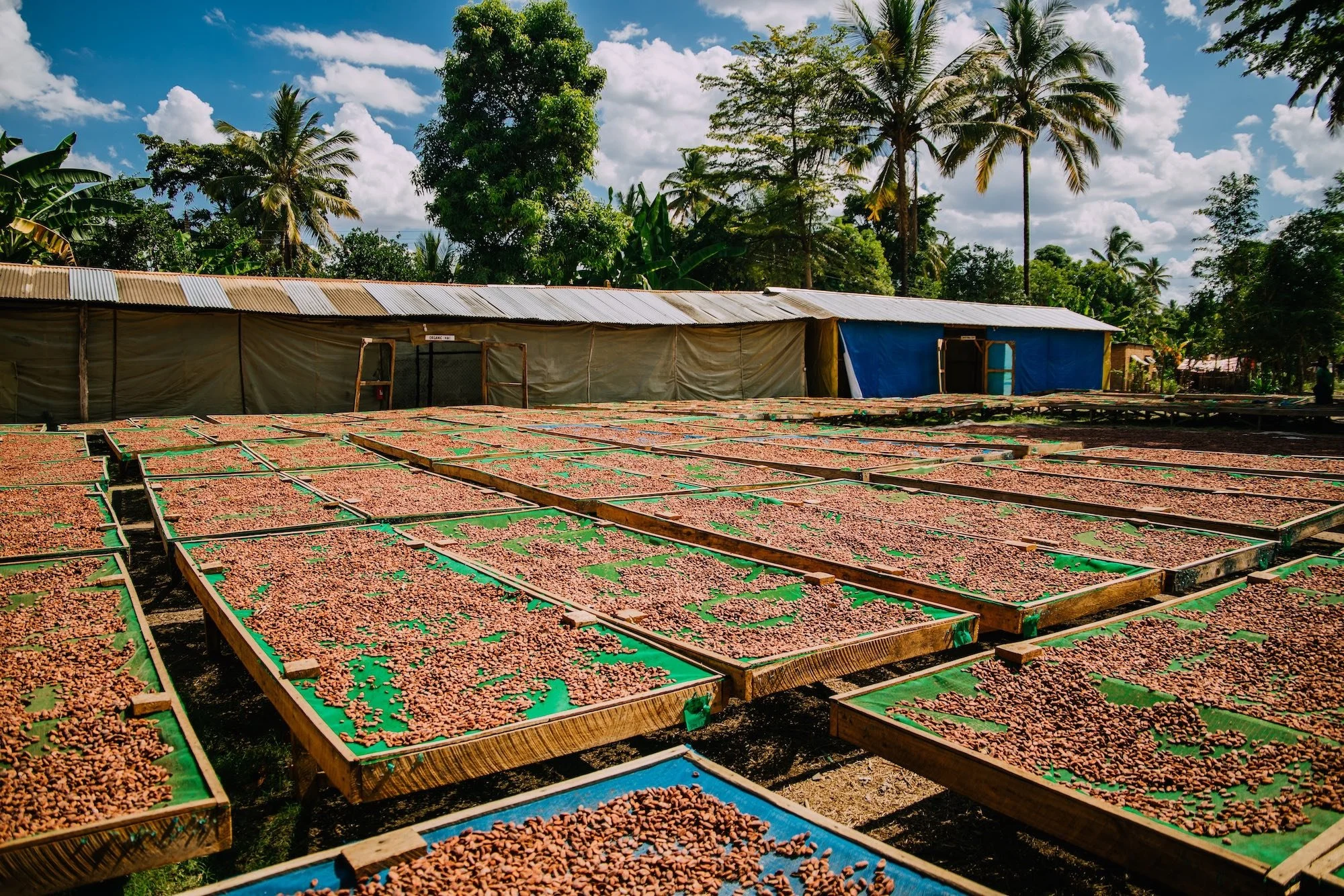
Cacao beans being sun-dried by Kokoa Kamili in Tanzania. Photo credit Kokoa Kamili
Twenty years ago, Tanzanian cacao was rarely associated with high-quality chocolate, and it was close to impossible to find “Tanzania” written on a single-origin chocolate wrapper. Today, things couldn’t be more different. Tanzanian beans are now highly revered, and their vibrant flavor is the foundation of hundreds of world-class, award-winning bars. One thing unites the vast majority of those bars: Kokoa Kamili.
Direct Development
Founded in 2013 by Simran Bindra and Brian LoBue, Kokoa Kamili was created to improve the livelihoods of cacao growers in Tanzania. The two spent much of their careers in international development, but they became frustrated with the top-down approach of many organizations, which often overlooked local voices. They wanted to build something that would benefit communities more directly by paying higher prices for their produce.
“I didn’t move to Tanzania with the idea of starting a business,” says Bindra. “I came here with a development sector job, which I then quit fairly quickly. In that job, I was working in the cocoa sector, which gave me exposure. It made me think, ‘Well, here’s this missing space…We could try and produce a higher-quality cocoa and sell to a premium market.’”
Today, Kokoa Kamili works with around 2,500 smallholder farmers in the Kilombero Valley area of southern Tanzania. The organization purchases fresh cacao beans directly from growers, then ferments, sun-dries, and grades the beans according to strict protocols. The beans are then shipped directly to chocolate makers around the world, as well as distributors such as Meridian Cacao, Silva Cacao, and Cacao Latitudes.
A Delicious Transformation
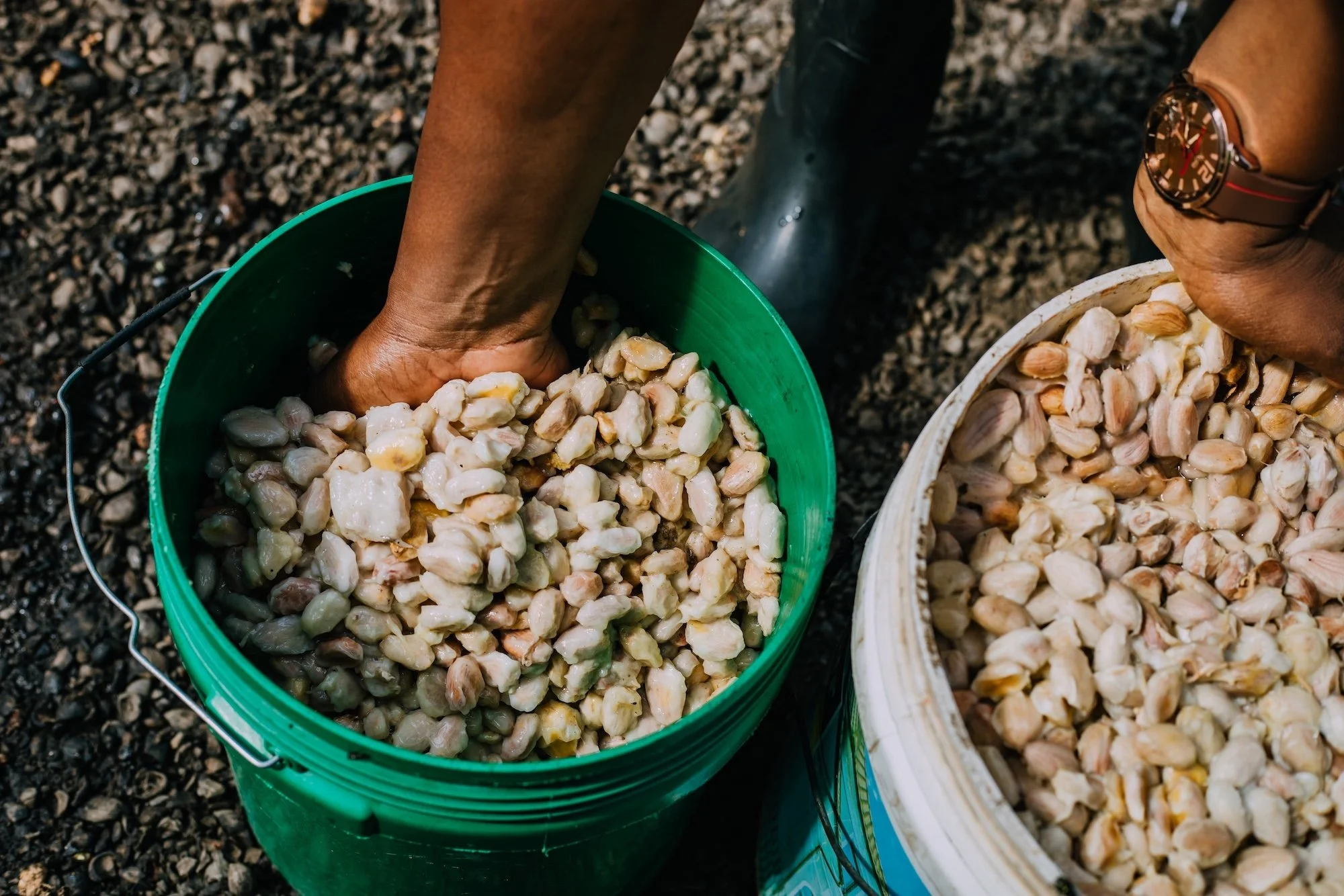
Freshly harvested cacao beans in Tanzania. Photo credit Kokoa Kamili
In the days when Tanzanian cacao had a poor reputation, the vast majority of beans were purchased by large-scale bulk cocoa traders for rock-bottom prices. The low quality was never due to the type of cacao grown, which is predominantly fine-flavor Trinitario genetics with a touch of Nacional. Rather, it was due to farmers fermenting and drying the beans themselves, in very small batches, with inadequate facilities and training.
By setting up a centralized fermentation facility and processing large volumes of cacao to very high standards, Kokoa Kamili has unleashed the exceptional flavor potential of Tanzanian cacao. This vastly increases its value and enables them to pay a much higher price to the farmers. They’ve also implemented extensive farmer training to help improve cacao yields and quality, as well as distributed over 350,000 seedlings in the Kilombero Valley area.
Despite this remarkable transformation, some chocolate makers are still resistant to sourcing beans from Tanzania, purely because it’s in Africa. Ghana and Côte d’Ivoire produce over half of the world’s cacao, and those countries have been tarnished by a reputation for low-quality beans, not to mention numerous reports of child labor in the supply chain. However, that's not a fair representation of all cacao from West Africa, and it has nothing to do with what’s happening in Tanzania, on the other side of the continent. “People wrote off Africa as somewhere you go for bulk, low quality, which is trash,” says Bindra. “Number one, there are 54 countries in Africa… and Ghana is closer to parts of Europe than it is to Tanzania. Our [cacao] genetics are totally different… And even within Ghana and Côte d’Ivoire, there are fantastic people doing fantastic work.”
Thriving in Adversity
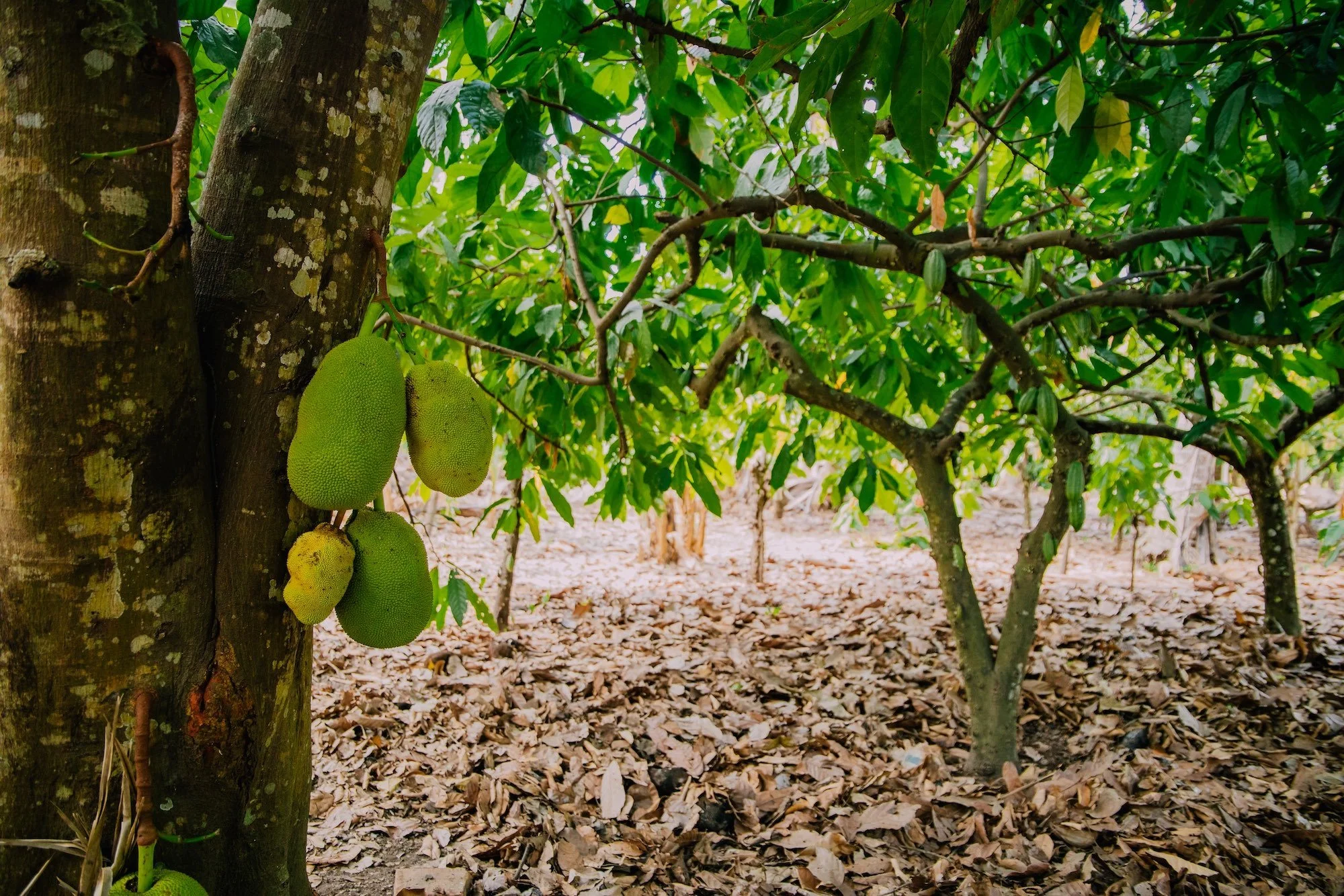
Cacao trees in Tanzania. Photo credit Kokoa Kamili
Thankfully, these misconceptions are being dispelled over time, and demand for Kokoa Kamili beans is higher than ever. Currently, the team is working toward building a new processing and distribution facility, which would double capacity and hugely increase the number of farmers they can buy from.
It’s refreshing to hear such a positive story in a time of great instability and unease in the cacao and chocolate industries. Global cacao shortages, volatile prices, and the introduction of U.S. import tariffs have made things very challenging for many growers and chocolate makers around the world. But there have been some positive outcomes, Bindra explains: “Our farmers are making a hell of a lot more money from cocoa than they ever have, which is fantastic. It’s what we’ve wanted for ten years.”
However, the sudden price volatility has been challenging for Kokoa Kamili from a business perspective. Prices can go up or down 10 percent in a day, making finances difficult to forecast. In 2024, the price of beans tripled in just a few months, only to fall sharply again in recent months — a reminder of just how volatile a market it is, shaped by both natural and human factors.
Despite a necessary price increase, Kokoa Kamili’s sales haven’t declined. Some chocolate makers are ordering smaller volumes to help with cash flow, but annual order quantities continue to grow, as more and more makers around the world seek out these exceptional beans. Around 80 percent of Kokoa Kamili’s cacao is bought by Europe and the U.S., with demand growing quickly in other regions — particularly Asia.
In recent years, Kokoa Kamili beans have been behind many of the bars topping major international chocolate competitions. It’s easy to see why their reputation goes from strength to strength.
5 Must-Try Kokoa Kamili Bars
There are hundreds of remarkable bars made with Kokoa Kamili beans, but here are five that we strongly recommend tasting.
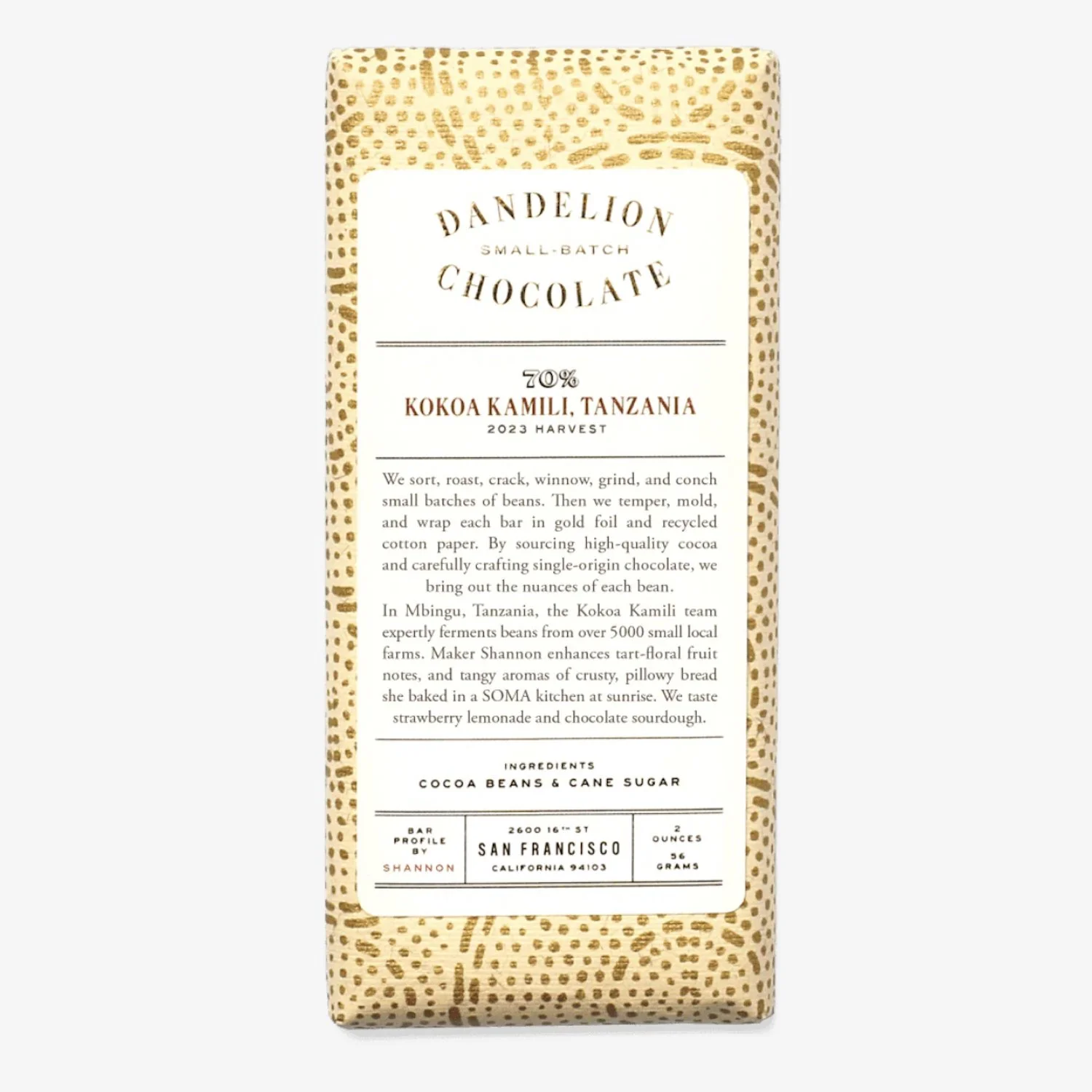
Dandelion’s Kokoa Kamili bar. Photo credit Dandelion Chocolate
San Francisco’s Dandelion Chocolate was one of Kokoa Kamili’s first ever customers, and they still make one of the best ever bars with these beans. Made with just cacao and cane sugar, this 70 percent dark chocolate offers sensational flavor notes of strawberry lemonade and chocolate sourdough. The flavors can subtly change from harvest to harvest (just like wine), so the harvest year is written on this bar’s wrapper. Dandelion Chocolate co-founder and cacao sourcing expert Greg D’Allesandre has visited Kokoa Kamili numerous times and developed a close relationship with Bindra and the team.
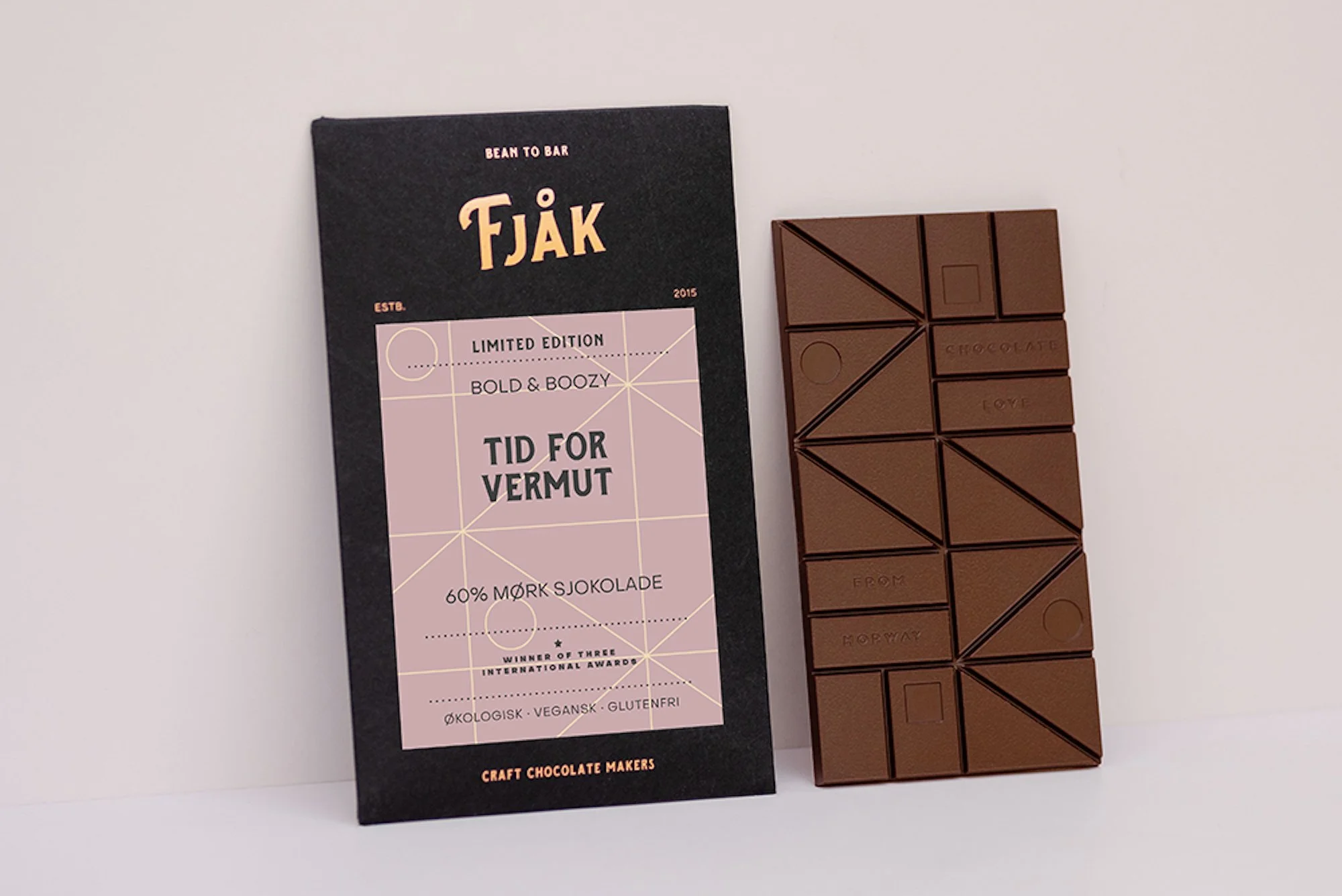
Fjåk Chocolate’s Vermouth O’Clock bar. Photo credit Fjåk Chocolate
The Vermouth O’Clock bar from Norway’s Fjåk Chocolat has won many awards over the years, including being named world’s best flavored chocolate bar at the 2023 International Chocolate Awards. Inspired by owner and chocolate maker Agur’s Spanish roots, this is a 60 percent dark chocolate flavored with vermouth, orange, olive and spices. The naturally deep and fruity beans from Kokoa Kamili perfectly complement the bitter — yet balanced — herbal and citrus notes.
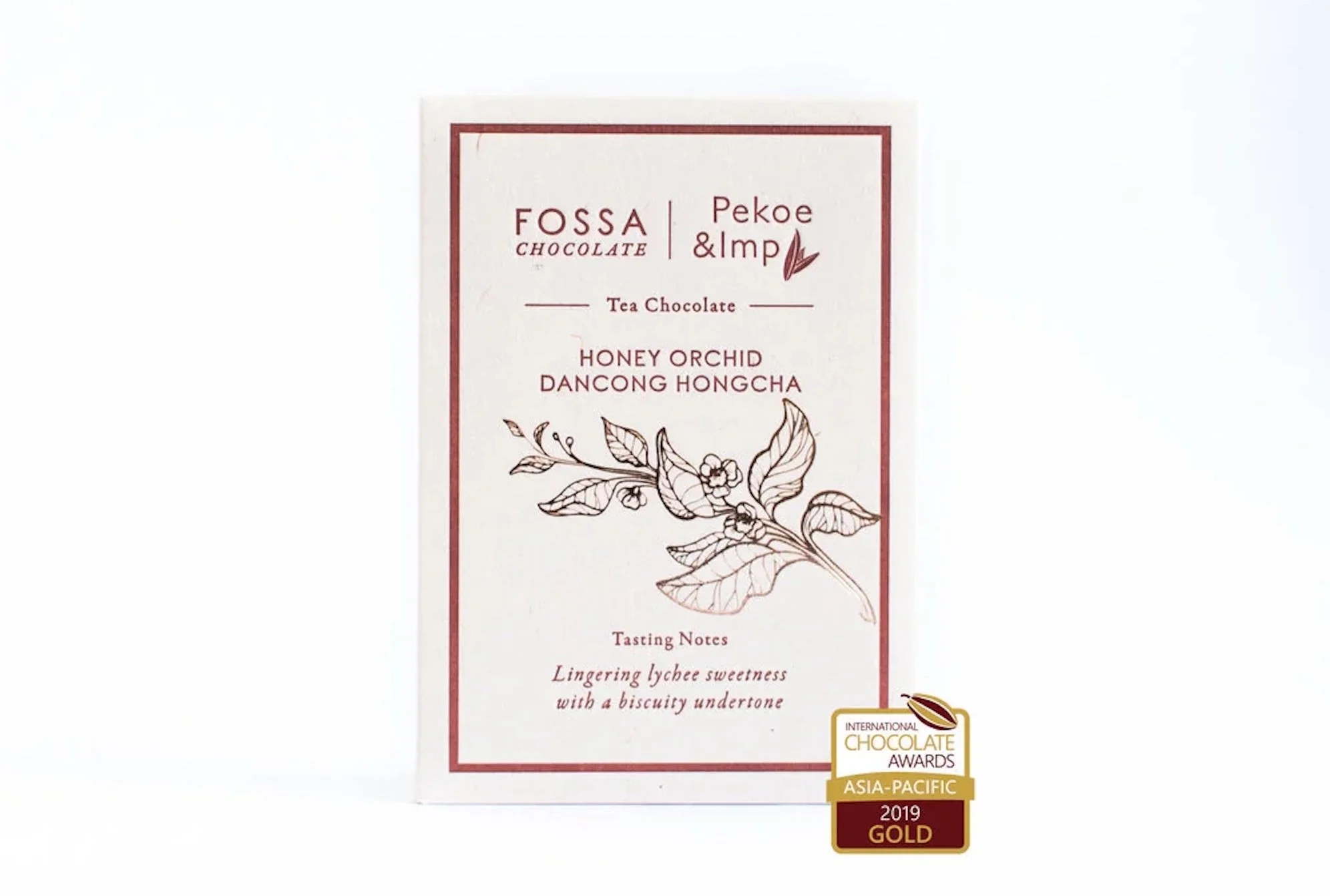
Fossa Chocolate’s Honey Orchid Dancong Hongcha bar. Photo credit Fossa Chocolate
Tea-flavored chocolate is becoming very popular in Asia, and Singapore’s Fossa Chocolate makes some of the best examples. This bar emphasizes biscuity notes in the Kokoa Kamili cacao, blending them with Honey Orchid black tea from Guangdong’s Phoenix Mountain. The tea brings notes of lychee, mango, and red date, with low astringency and a naturally sweet floral aroma. Crafted in collaboration with tea curator Pekoe & Imp, it’s a smooth, aromatic chocolate that should be savored slowly.
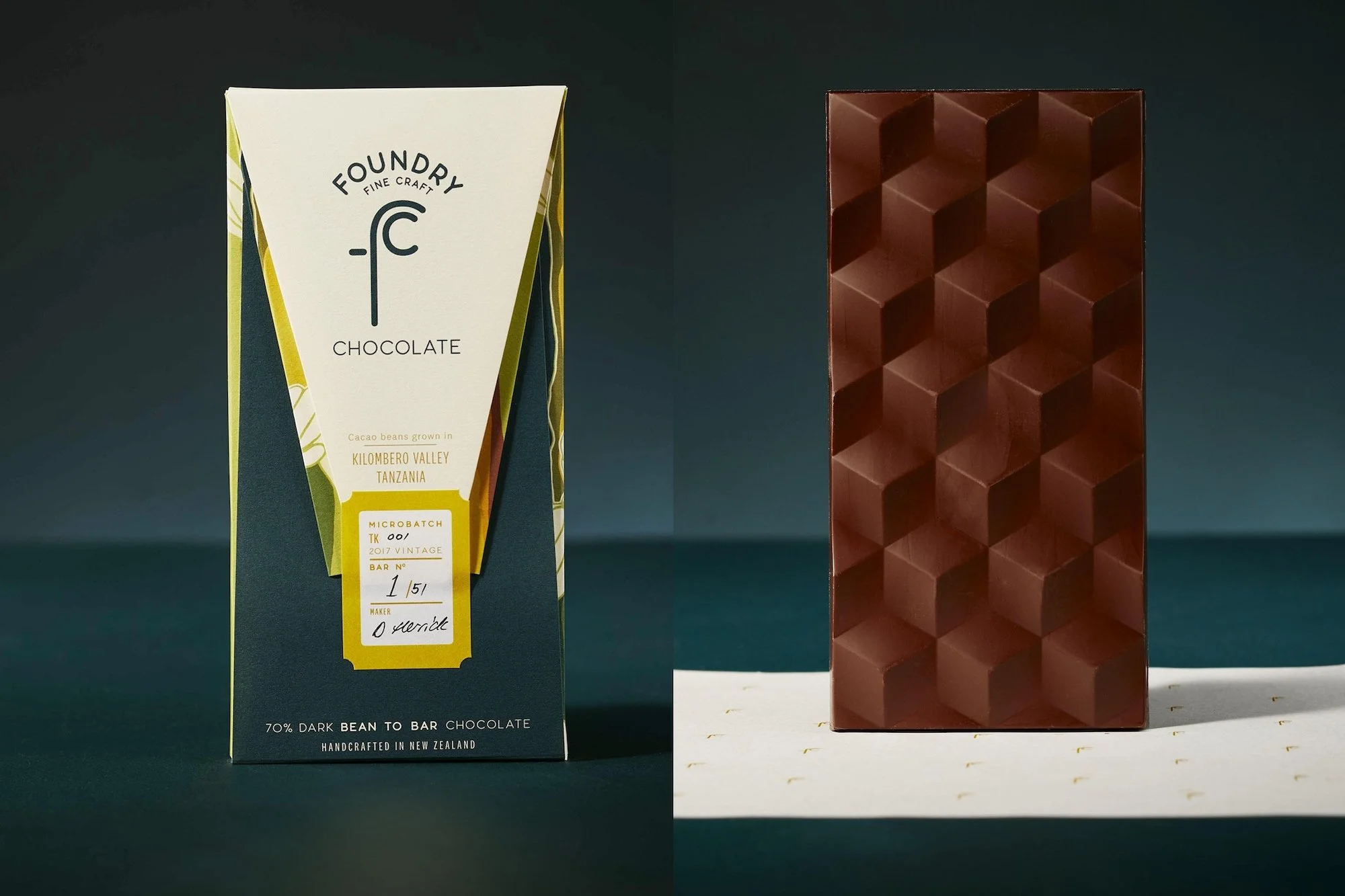
Foundry’s Kilombero Valley, Tanzania 70% bar. Photo credit Foundry Chocolate
When a micro-batch chocolate maker from New Zealand took out the ‘Best in Show’ award at the Northwest Chocolate Festival in 2024, heads were officially turned. That maker was Foundry Chocolate, and the award winner was this Tanzania bar. Co-founder and chocolate maker David Herrick elevates the fruity notes of Kokoa Kamili’s beans to mouthwatering heights, using meticulous roasting and conching methods. Like all of Foundry’s single-origin chocolate, the bar is crafted from just two ingredients — cacao beans and organic cane sugar.
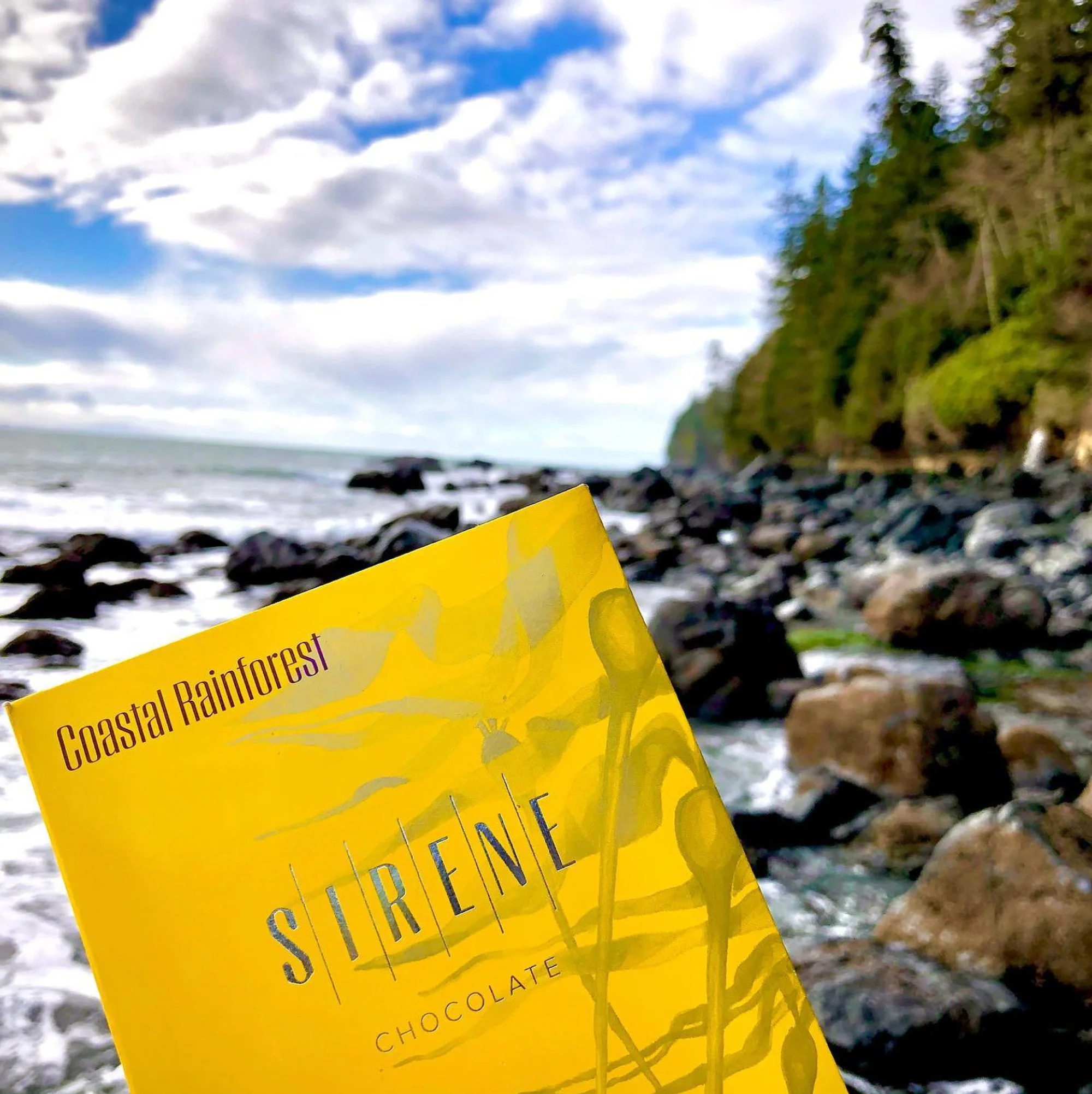
Sirene Chocolate’s Coastal Rainforest bar. Photo credit Sirene Chocolate
Crafted in Victoria, BC, this unique bar from Sirene Chocolate highlights the distinctive terroir of the region’s coastal rainforest — a place where wild terrain and ocean intertwine. Locally foraged currants bring a bright, fruity tartness, while kelp lends subtle savory notes, reflecting the richness of the region’s ecosystem. All of this is anchored by the vibrant and rich beans from Kokoa Kamili. A thoughtful expression of place, this chocolate celebrates the natural abundance and interconnectedness of British Columbia’s wild landscapes.