
3 Great Portuguese Bean-to-Bar Chocolate Makers
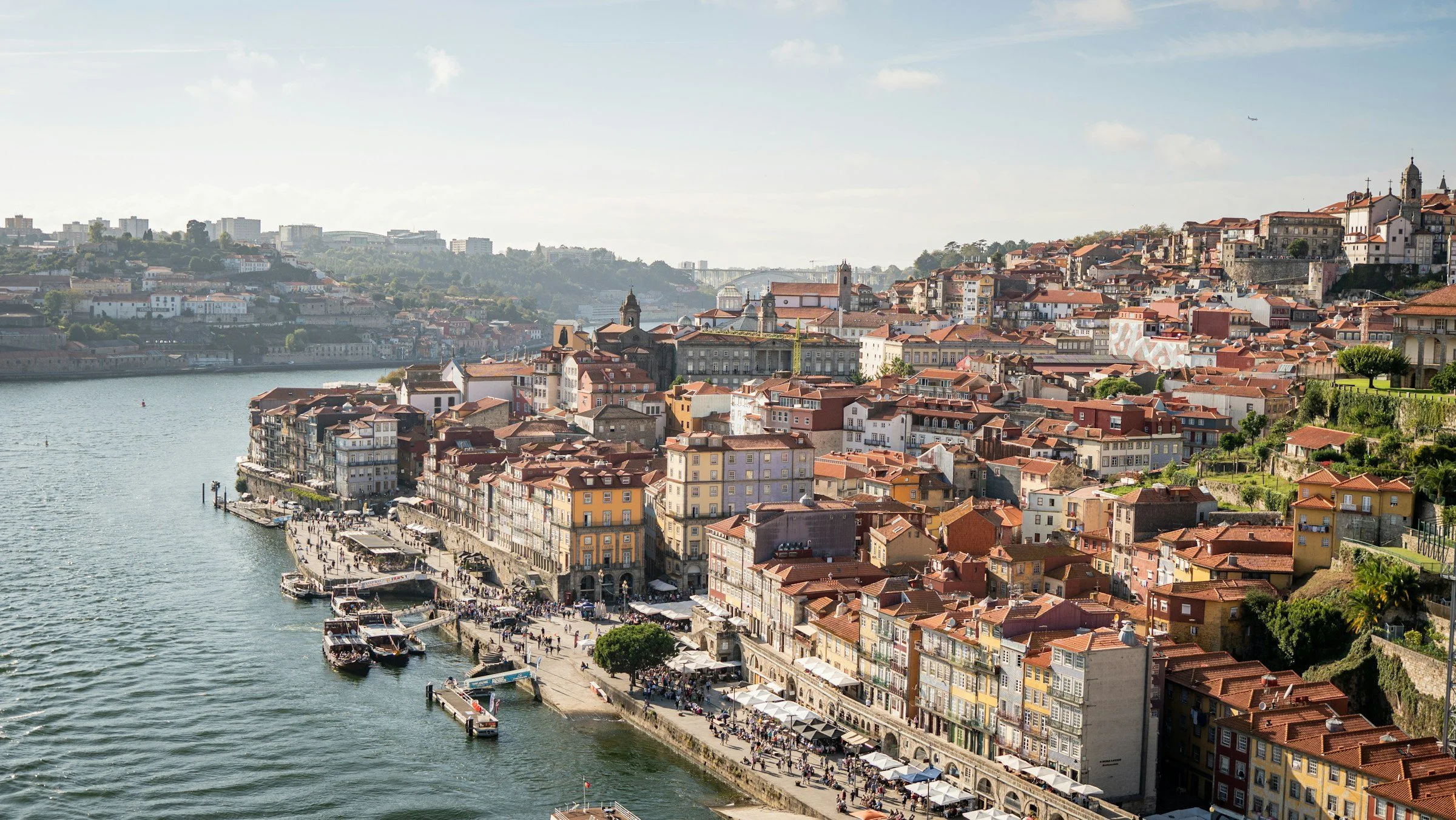
City of Porto, Portugal
Editor's note: Chocolate arrived in Portugal in the 17th century, a bit later than in neighboring Spain. It was initially considered medicine, and religious guidelines restricted its consumption. Today a new generation of craft chocolate makers is rightfully gaining the attention of both locals and tourists.
Portugal may not be the first country that springs to mind when you think about fine chocolate, but that may be exactly what makes the emerging bean-to-bar scene here so interesting. These makers aren’t simply reproducing what is being done elsewhere. They’re taking cacao from around the world and filtering it through Portuguese ingredients, places, food traditions and personalities.
Where Tradition Meets Innovation
Feitoria do Cacao, near Aveiro Portugal

Feitoria do cacao founders Susanna Tavares and Tomoko Suga photo credit Fetoria do Cacao
Machines whir as Sue Tavares takes a paper spoon and dips it into the Mexican chocolate she’s conching for an upcoming chocolate show in Norway. “Here, try this. I know it looks pale, but that’s the 72% Almendra Blanca from Sonconusco,” she says, handing me a sample in a back room at her factory near the pretty Portuguese town of Aveiro. A warm, caramel-like note leads with tropical fruit, then smooths into something like fresh cream. The chocolate is a pale, mocha-hued wonder, much lighter than you’d expect a 72% dark to look.
Getting into Chocolate
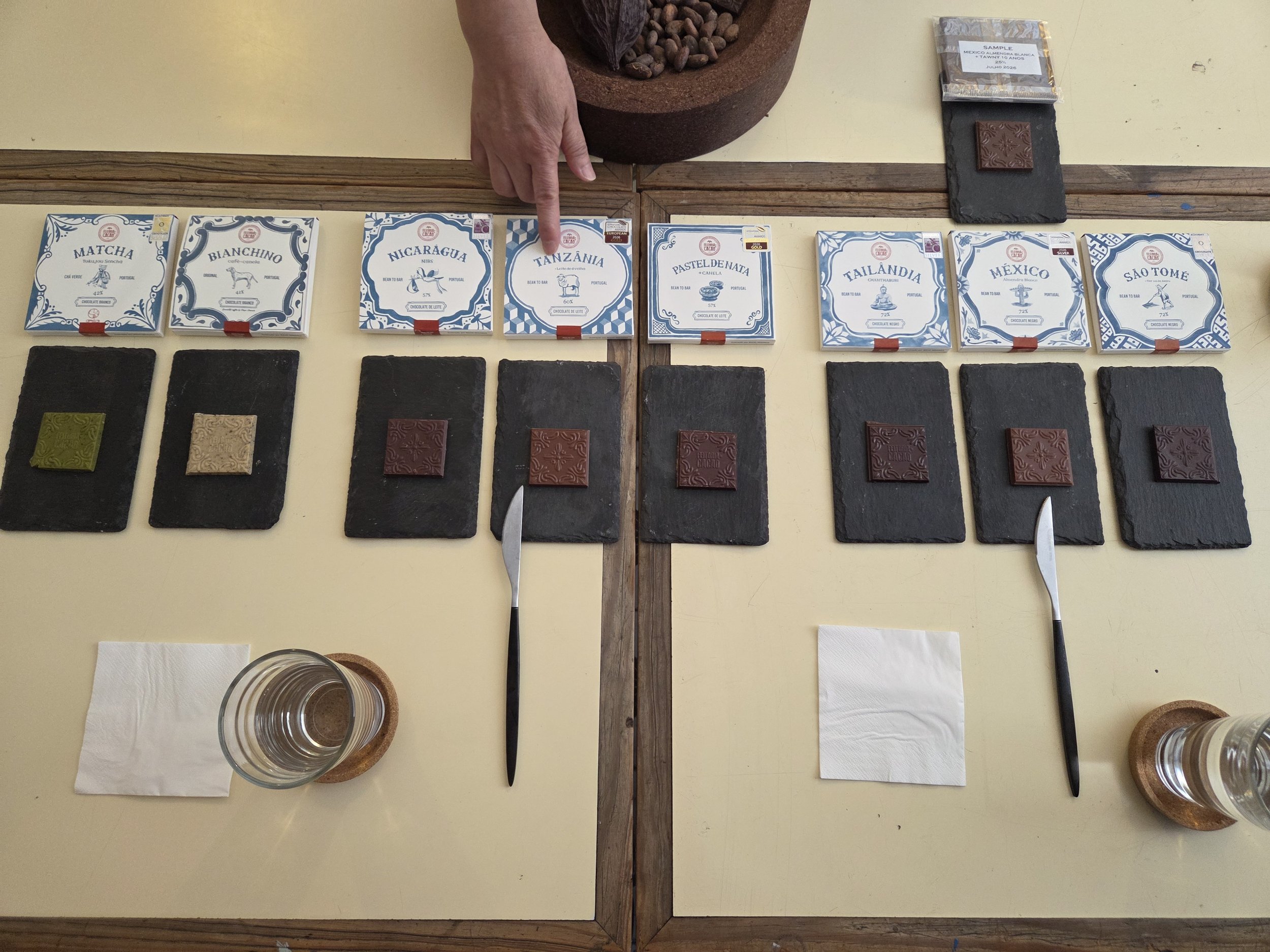
Fetoria do Cacao bars, photo credit Mary Luz Mejia
This, explains Tavares, is part of the bean-to-bar magic she fell in love with after being let go from her job in loss prevention. “When you have a second chance in your life, you try to be wiser than you were before,” she explains. She wanted to make something that would make people happy, and that grain of an idea became Feitoria do Cacao, the first bean-to-bar maker in Portugal and the chocolate company she runs with Tomoko Suga.
The duo worked in very different worlds before chocolate. Suga spent 17 years in television, working as a translator, coordinator and fixer in Portugal for producers working on Japanese TV productions. Chocolate, as Tavares jokes, was almost an accident. But a trip to São Tomé in 2014 changed things. There, they met people working with cacao and learned that the beans were being sold without the local producers having the knowledge or means to turn them into chocolate themselves. Tavares came home wondering whether it was possible to learn the craft on a small scale, with the idea of returning to teach them. She started studying (with Canada’s École Chocolat), experimenting and, eventually, making chocolate. She says they now produce their own bean-to-bar in the former Portuguese colony, so she never returned to complete that mission.
Eleven years later, the team still talks about chocolate with the enthusiasm of someone just getting started. In fact, one thing I like about her is that she spent years joking that she was just “learning.” After about ten years, she says she finally thought: “Maybe I’m good now.” The numerous awards and accolades their bars have won prove her right.
Chocolate that Feels Portuguese
That slightly obsessive curiosity is found in Feitoria do Cacao’s bars. The pair deliberately wanted their chocolates to feel Portuguese, not just made in Portugal, but through the ingredients, flavors, beautiful packaging and molds that look like Portuguese azulejos (crafted by Suga) or tiles, and stories they bring to the bars. There’s the fan-favorite pastel de nata bar, for example, made with 57% Nicaraguan milk chocolate, cinnamon, lemon and the perfectly crisp flecks of house-made puff pastry that tastes like the nation’s most famous sweet. The creaminess of the cacao subs in for the custard. It’s so good, I bought a handful of these bars to take home.
And then there’s the multi-award-winning Tanzanian bar Tavares is particularly proud of. A 60% dark Tanzanian chocolate proved a bit too acidic for their taste, says Tomoko, so she had the idea to try it with sheep’s milk powder. The milk’s higher fat content and sweetness transformed the cacao, turning that sharpness into something more reminiscent of caramel. “It worked better than we imagined,” says Tomoko. It’s a good example of what the team enjoys most about making chocolate: not simply finding excellent cacao but discovering what happens when you pair it with something unexpected, ideally of Portuguese provenance or terroir.
Café All Day with GLAD
GLAD Bean-to-Bar Chocolate, Porto
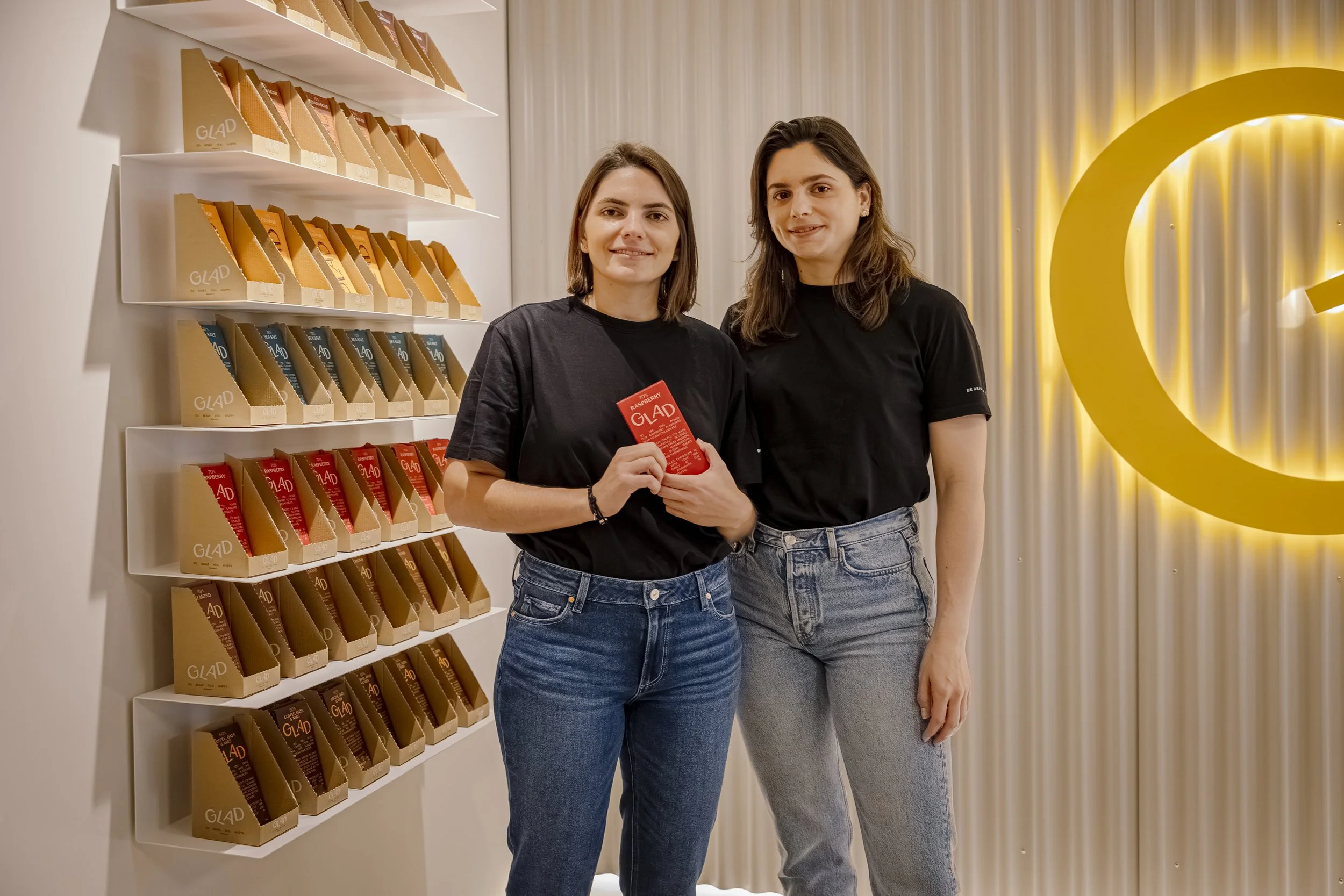
GLAD Retrato photo credit GLAD
That spirit of experimentation is alive and well a couple of hours away in Porto, where sisters Katrin and Marcella Cavalcanti are building GLAD. Both originally from Rio de Janeiro, the sisters spent years in London. Katrin worked in fashion merchandising and later in operations at a tech start-up; Marcella worked in operations for a wellness platform. Neither came to chocolate through the traditional pastry-chef route. But they shared a love of chocolate and specialty food, and after moving to Porto, they noticed something missing from the city’s food scene: craft chocolate.
Engaging Beginnings
In 2023, they started GLAD, initially making chocolate in their production space and inviting people for tastings. On Saturdays, they offered free tastings and even let visitors make their own bars, a hands-on way of explaining what “bean to bar” means to someone who might never have thought about where chocolate comes from.
By the end of 2024, they had opened their pretty shop in Porto, creating the kind of place they had wanted to find themselves: part chocolate shop, part café, part tasting room and classroom. The front counter is framed by the palest blush-pink zellige tiles, while illuminated shelves display their collection of bars, nibs, and their latest creation, chocolate-infused granola.
Exploring Origins
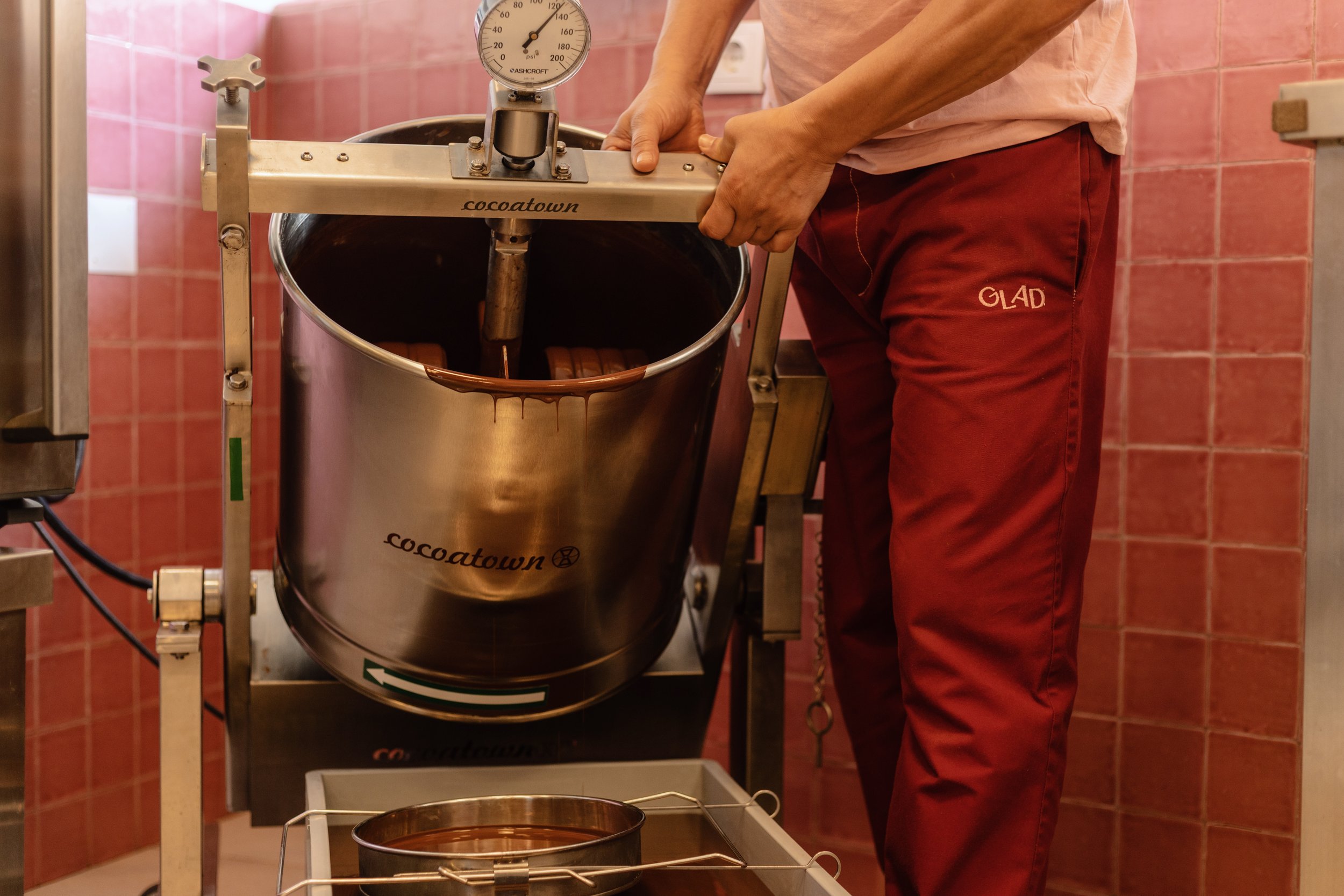
GLAD Produção photo credit GLAD
The GLAD range is good at showing just how dramatically cacao can change from one origin to another. We join Katrin in the downstairs tasting room to try their introductory bars, designed around different countries and locations, giving you a real taste of place. Ecuadorian chocolate has a nuttier character alongside Dominican Republic cacao with peanut and caramel notes, fruit-forward Madagascan cacao and a more intense, fermented Nicaraguan cacao.
And the differences aren’t just in the tasting notes. This side-by-side comparison gives us a chance to see the range of the cacao’s colors too, once turned into bars. Madagascan cacao can be surprisingly reddish; Nicaragua is darker and more intense; Ecuadorian beans are noticeably larger. It’s a good reminder that “dark chocolate” is about as useful a description as saying, “red wine,” and leaving it at that.
GLAD also uses coconut sugar, something the sisters were familiar with from cooking and baking in Brazil. They aren’t trying to make the chocolate taste like coconut; instead, it brings a gentle caramel quality that they feel fits with the cacao.
Creative Inclusions
Their inclusions are playful without ever losing sight of the bean. Almond, raspberry, sea salt, and more are used, with the sisters thoughtfully pairing each with a particular cacao origin. Their 68% Ecuadorian dark chocolate with almond, for instance, is made with Portuguese Trás-os-Montes almonds used two ways: some are ground with the cacao, creating a velvety texture, while the rest are roasted and folded into the bar for a deeper, more rounded effect.
We also fell for the 60% Coffee, Oats and Nibs bar, made with cacao from Ecuador’s Hacienda Limon. As Katrin puts it, it’s “an oat latte in a bar,” with the oats lending the chocolate an extra-creamy note and mouthfeel, followed by the satisfying crunch of cacao nibs.
The whole experience is very welcoming. That is, after all, what GLAD means to the sisters: chocolate should make you feel good. The name was chosen because they wanted something that captured that feeling, while the information on their packaging reflects another part of their philosophy: transparency and making it easier for people to understand what they are eating.
Going for the Wow Factor at Vinte Vinte
VinteVinte, Vila Nova de Gaia, Porto
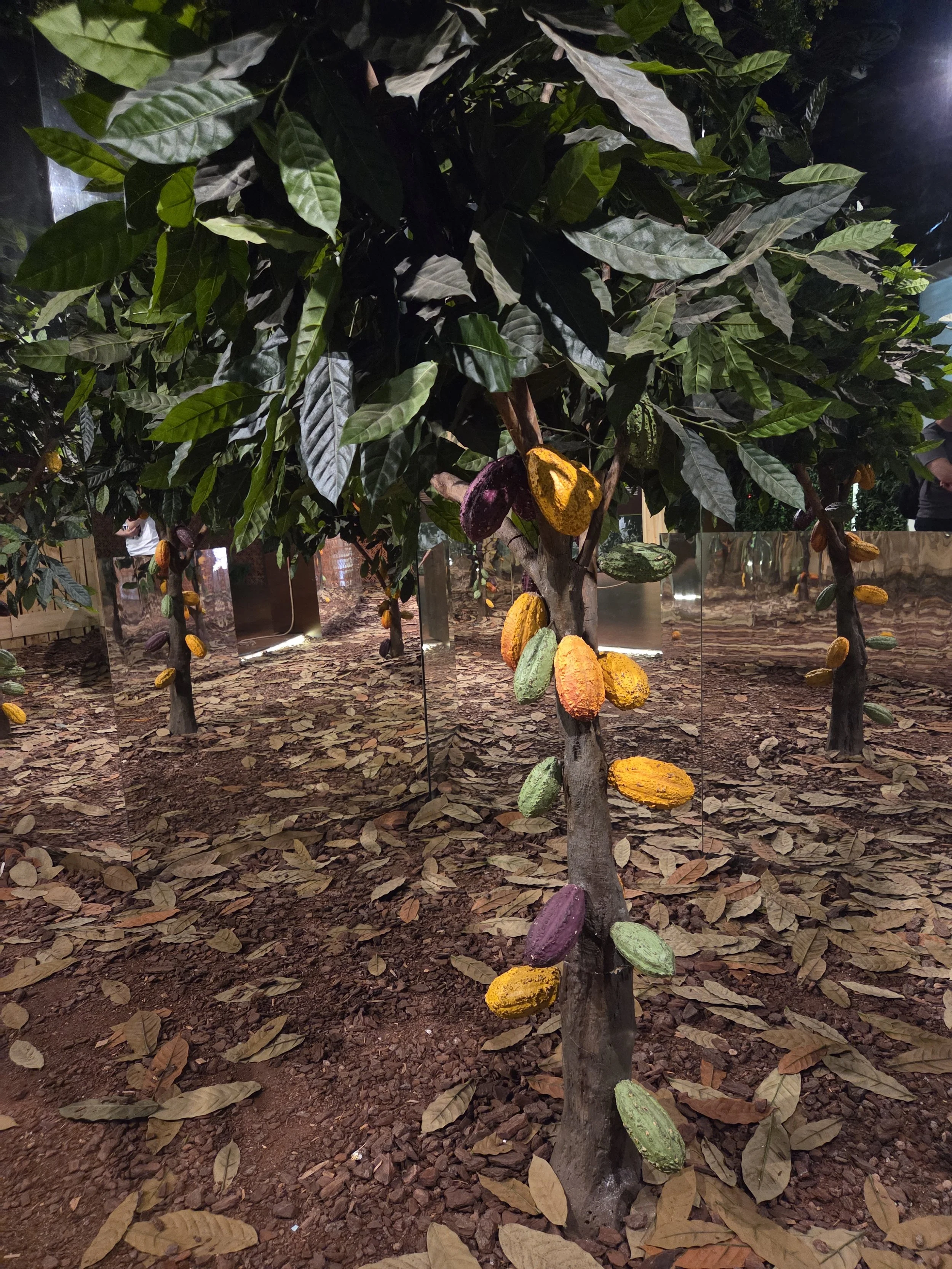
Vinte Vinte exhibition with acclimated tropics
In Porto’s port house district, Vinte Vinte takes the bean-to-bar idea and gives it a considerably bigger stage. The name comes from the cacao belt, the broad band between 20 degrees north and 20 degrees south of the Equator where cacao grows. The company was founded in Vila Nova de Gaia by chef and chocolate maker Pedro Martins Araújo, who says that chocolate chose him rather than the other way around. After a career as a chef, he travelled through cacao-growing regions, researched the raw material and eventually became a professional taster.
Sophisticated Collections
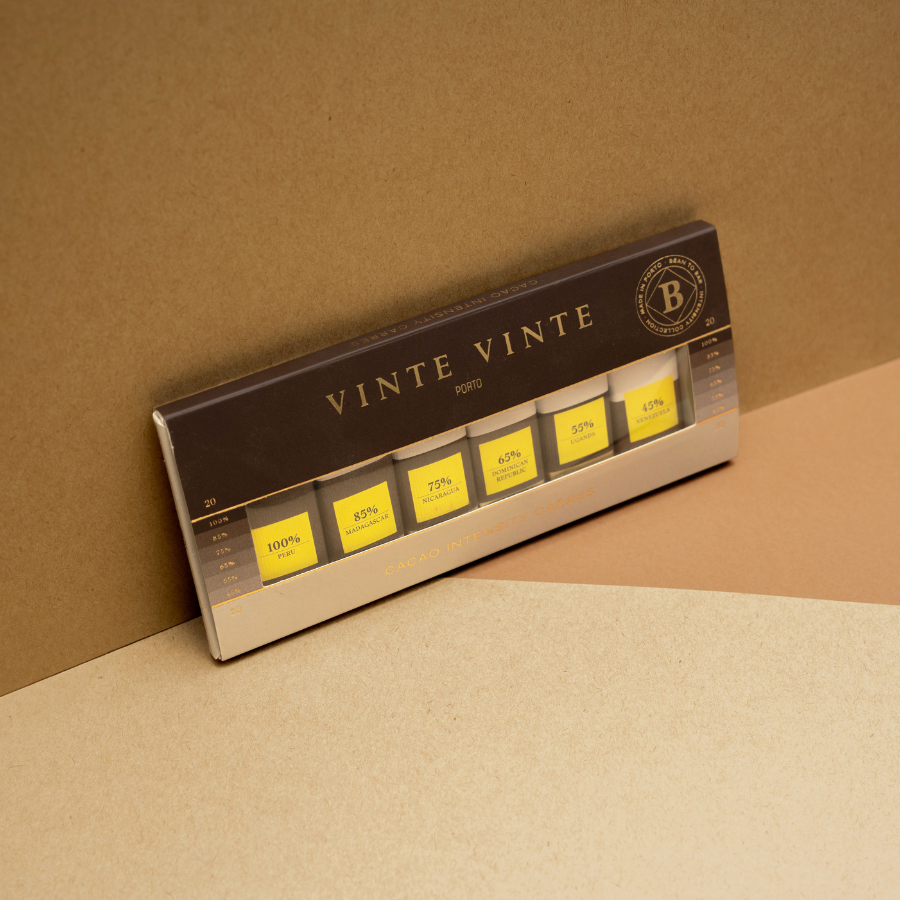
Vinte Vinte collection box
Vinte Vinte now works with cacao from a wide range of origins, including Mexico, Peru, Madagascar, Uganda and the Dominican Republic, with its collections designed to showcase the differences between origins, harvests and cacao percentages. The Cacao Intensity line focuses on origin and cacao percentage; the Grand Cru bars are made from single harvests from individual plantations; and the Fusion range brings fruit, spices and other ingredients into the mix. There are also limited editions that explore specific harvests, origins and percentages, giving chocolate lovers plenty of ways to taste their way across the cacao spectrum.
View to a Thrill
What makes Vinte Vinte a fun visit is that the company doesn’t hide the making process behind a shop counter. At its Chocolate Experience in Vila Nova de Gaia, we get a guided tour through the museum and sensory-driven rooms with a pro who delves deep into origins and process (because I asked her to, and I picked up new details myself!). Visitors can also see the factory in action and follow the story of chocolate from cacao bean to bar, with temperature-controlled rooms that mimic the tropics along the way. There’s even a small chocolate bar claw by the tasting booth where you maneuver the grabber over a collection of Vinte Vinte mini bars and try to snag one for yourself, a seriously fun way to end any chocolate exploration. Milk chocolate lovers will enjoy the 35% Peruvian chocolate bar with crunchy bits of toasted hazelnut, while heat seekers will delight in the 70% Extra Chilli Spicy bar.
When it comes to bean-to-bar chocolate in Portugal, there’s no single right way to do it. Makers can chase terroir and tasting notes, experiment with local ingredients, obsess over roasting profiles, or simply put a good square of chocolate in someone’s hand and ask them what they taste, preferably while the machines are still whirring.