
10 Chocolate Bars Worth Eating for Breakfast
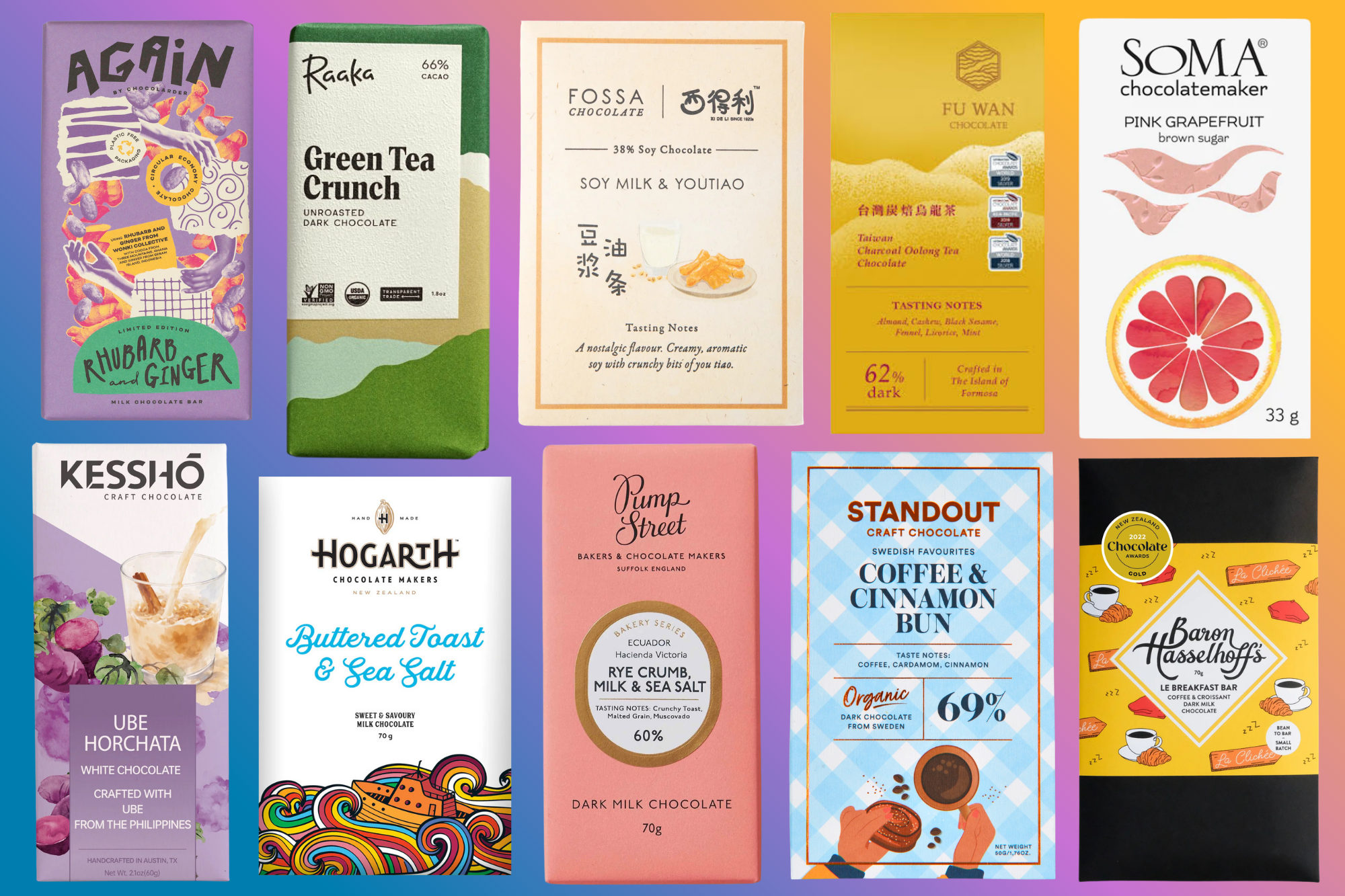
Ask any child what they dream of doing once they become an adult, and eating chocolate for breakfast will probably be high on the list. However, by the time they’re old enough to have such freedom, they’ve likely become too sensible and health-conscious to make that dream a reality. It’s one of life’s great ironies that adulthood hands us the keys while simultaneously convincing us we shouldn't drive.
That being said, serious chocolate tasters have long known that morning is the best time to taste chocolate — before coffee, toothpaste, or a heavy meal dulls the palate. Some might think morning tasting is only for “serious” high-percentage dark chocolate, but in reality, it’s a good time to taste any chocolate properly, no matter the sweetness or style.
A Small Taste, Not a Meal
To clarify, this isn't a suggestion to eat chocolate bars instead of a proper breakfast. But a small taste, as part of a balanced diet, isn’t a problem, particularly when you consider that many breakfast foods contain similar amounts of sugar as premium chocolate. In parts of the world, chocolate for breakfast barely raises an eyebrow: the French have pain au chocolat with a cup of hot chocolate, and across Latin America, drinking chocolate is a traditional breakfast fixture. Nutella on toast is also an acceptable morning food across much of Europe, not to mention sweet cereals like Cocoa Krispies and Cocoa Puffs.
Cacao without the added sugar has actually been a morning food for thousands of years. The Maya are widely thought to have taken their cacao — in the form of unsweetened xocolātl — first thing in the morning, much as we reach for coffee today.
Cacao also has well-documented health benefits. It contains flavanols, plant compounds that clinical trials have linked to improved blood flow and modest reductions in blood pressure.
However, those benefits depend heavily on processing. Standard roasting and alkalizing strip out most flavanols, which makes specialty, less-processed craft chocolate a far better source than an average supermarket bar.
So let’s abandon the guilty pleasure mindset and embrace chocolate as a great morning food that can add a little pep in your step. What follows are 10 bars worth tasting first thing, each with a story to tell about the maker, their place, and their culture.
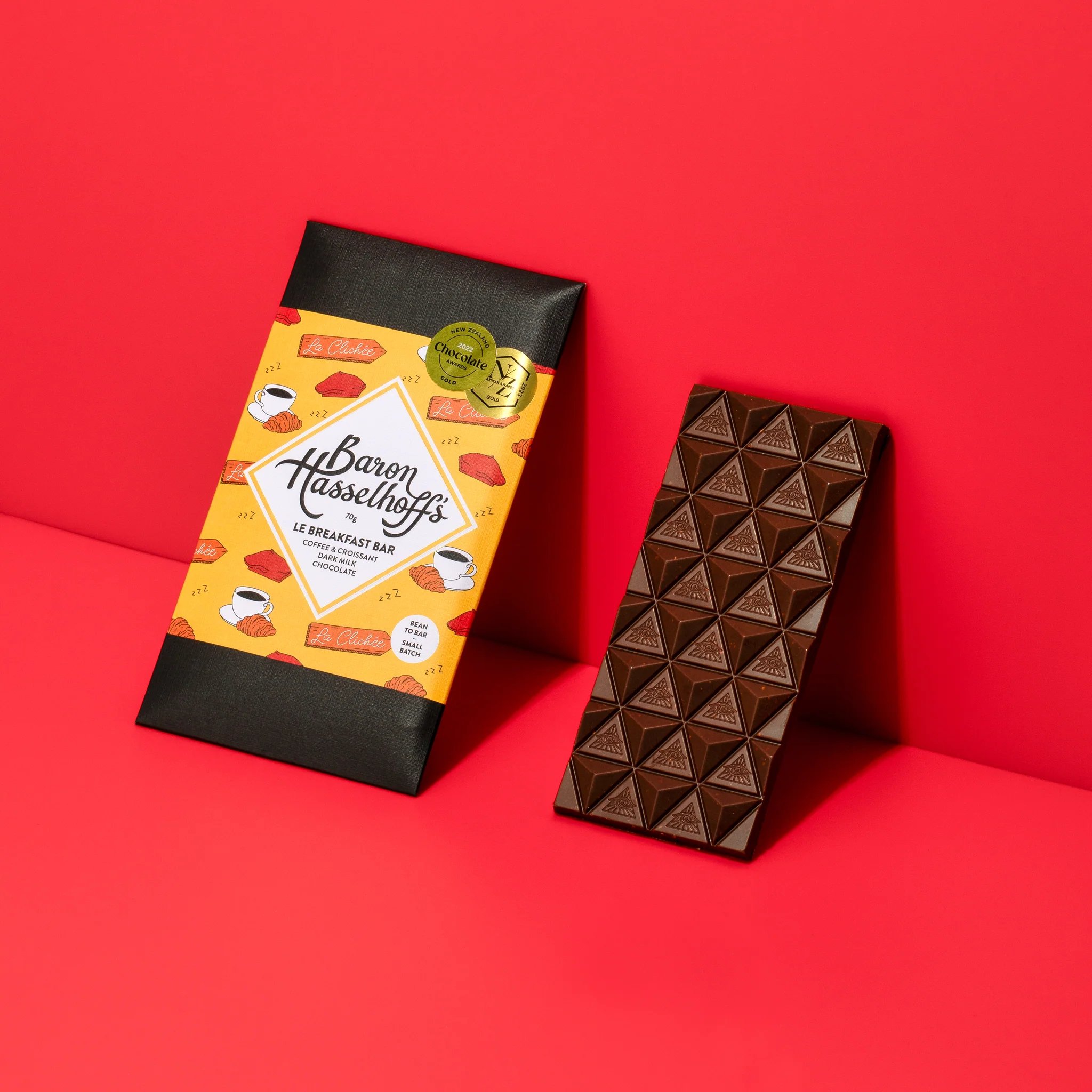
Baron Hasselhoff’s Le Breakfast Bar
This list is alphabetical, but how perfect to start with Le Breakfast Bar from New Zealand’s Baron Hasselhoff’s. Chocolate maker Clayton McErlane took inspiration from a habit developed during his time at culinary school — dunking fresh croissants straight into his morning coffee. Le Breakfast Bar encapsulates that memory in a 51% Pacific blend dark milk chocolate, working through croissant crumbs and locally roasted Rich Coffee until the two flavors perfectly integrate. It's buttery and deeply rich, with an addictive crumb-filled texture that’s undeniably a “mouth party,” as the Baron would say.
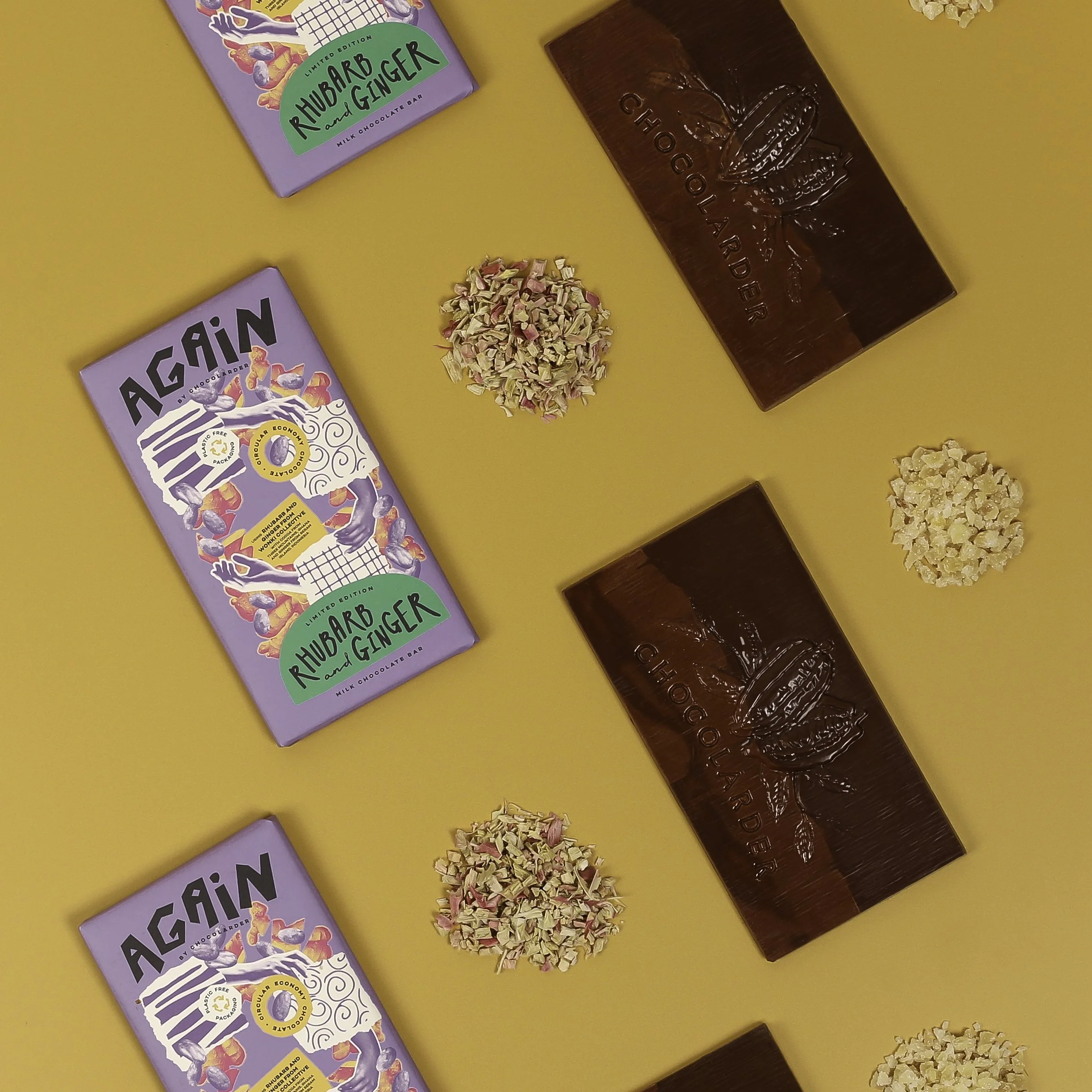
Again by Chocolarder Rhubarb and Ginger
This bar is part of Chocolarder's Again range, which uses surplus ingredients that would otherwise go to waste. As you’ll see when you open the wrapper, it’s a split bar — one half is ginger milk chocolate, the other is a tangy blend of rhubarb and cocoa butter. Both of the main ingredients are surplus from a breakfast bar manufacturer, rescued before being discarded — so this is, quite literally, chocolate made from breakfast foods. It’s a classic British flavor duo, deliciously reimagined in bean-to-bar chocolate that’s helping to fix a broken food system.
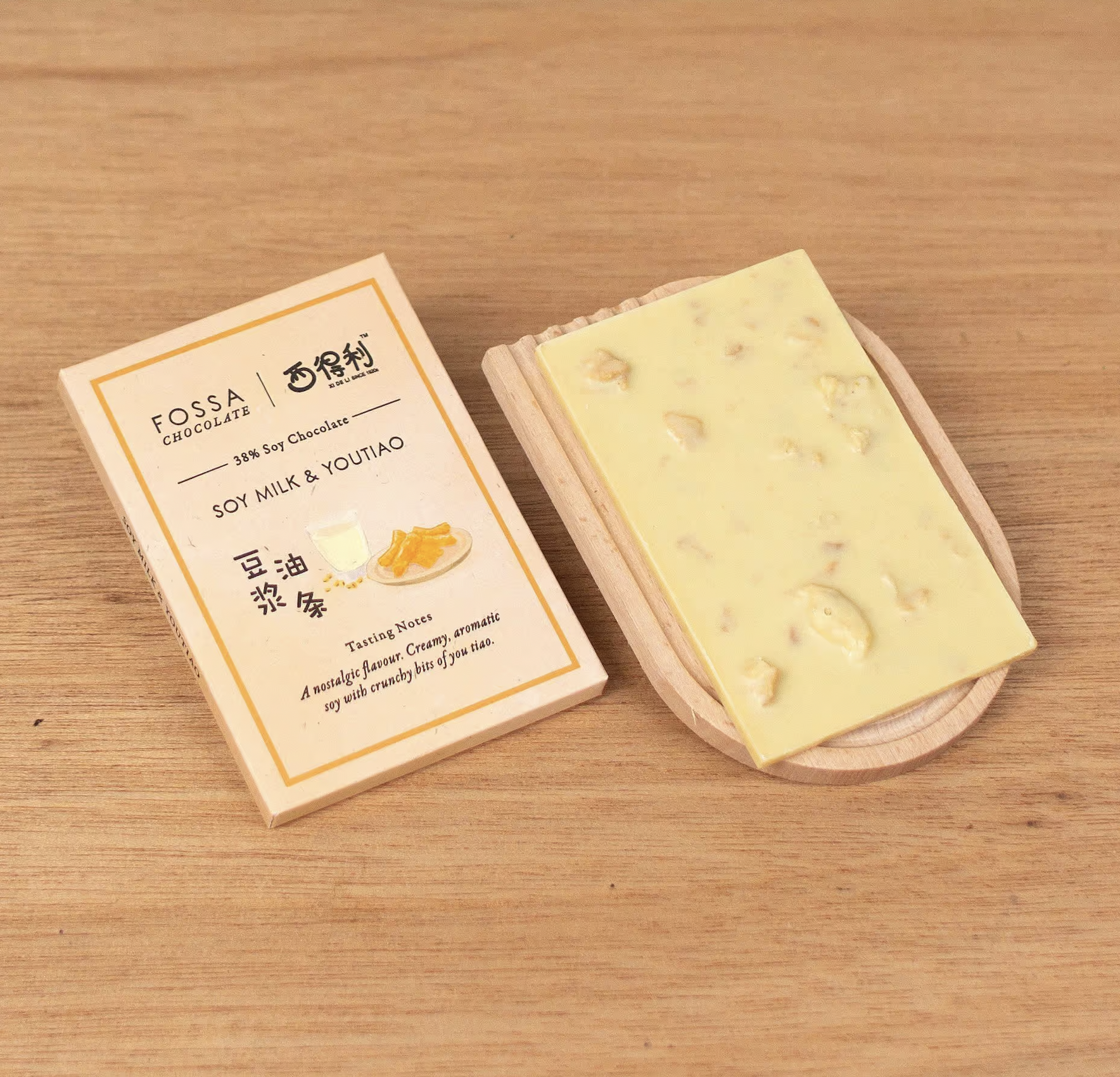
Fossa Chocolate Soy Milk & Youtiao
Soy milk and youtiao (豆浆油条) were once a standard breakfast in old Singapore. Crisp, deep-fried dough strips torn up and dunked into a warm bowl of soy milk until they soften. Singapore's Fossa Chocolate has turned this nostalgic pairing into a bar, collaborating with Xi De Li — a pioneer in the youtiao industry since the 1920s — to fold dehydrated youtiao through 38% soy white chocolate. The result is a creamy, faintly savory soy chocolate studded with crunchy, chewy bits of dough. It’s a long way from your average mass-produced white chocolate!
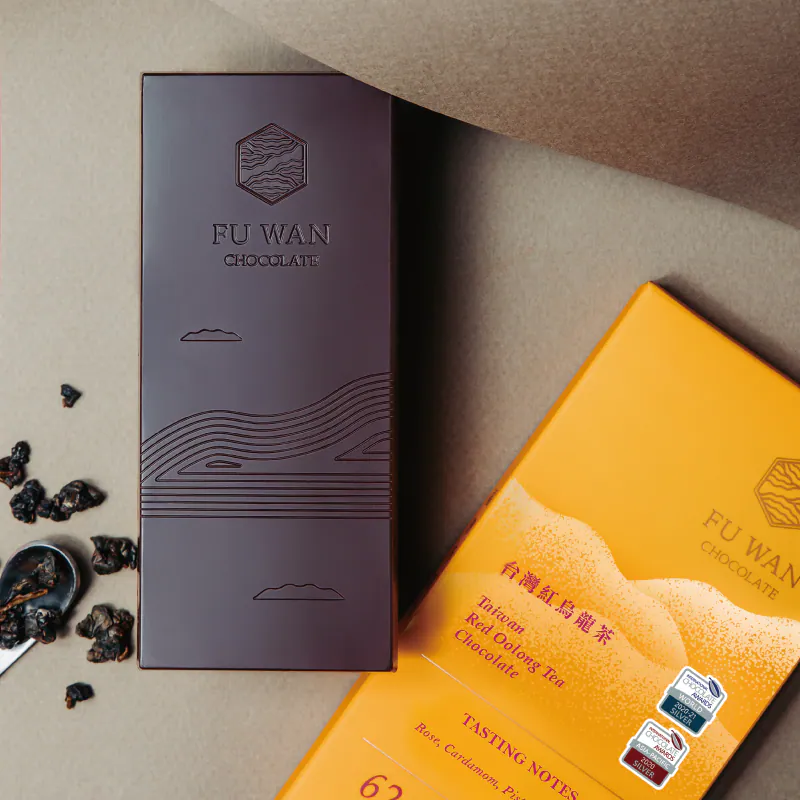
Fuwan Chocolate Red Oolong Tea Chocolate 62%
High-mountain red oolong is an incredibly delicate tea, prized for bright notes of rose and cardamom. Fu Wan, led by chocolate maker Warren Hsu, uses light and delicate cacao that’s grown and fermented in-house to work in harmony with the tea rather than overpowering it. The result is an intricate, layered tasting experience that builds in waves as the chocolate melts, drifting from rose and cardamom toward pistachio, almond, and a subtle toffee finish. This is one of many multi-award-winning tea and chocolate bars from Fu Wan. Enjoy it first thing in the morning with a cup of oolong on the side.
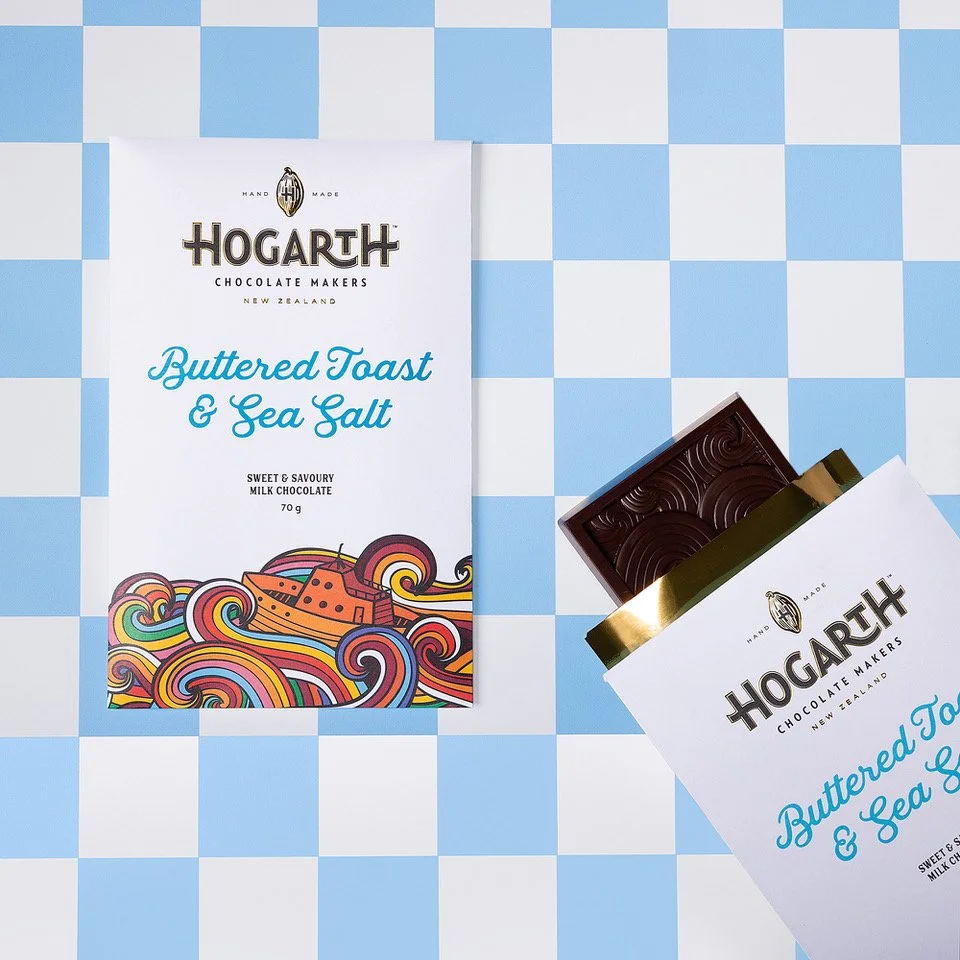
Hogarth Chocolate Buttered Toast & Sea Salt
This bar started with Karl and Marina Hogarth’s breakfast ritual of hot toast slathered with salted butter. Hogarth built the bar around that habit, milling Vogel's Original — the dense, dark rye that's been a fixture on New Zealand breakfast tables since 1967 — directly through the chocolate. The cacao is Arriba Nacional from Hacienda Victoria in Ecuador, fermented to a mild, low-acidity profile, offering nutty brownie notes that perfectly complement the bread and butter. Savory, salty, and sweet, it’s a great example of a bar that sounds a little unusual but makes unequivocal sense when you taste it.
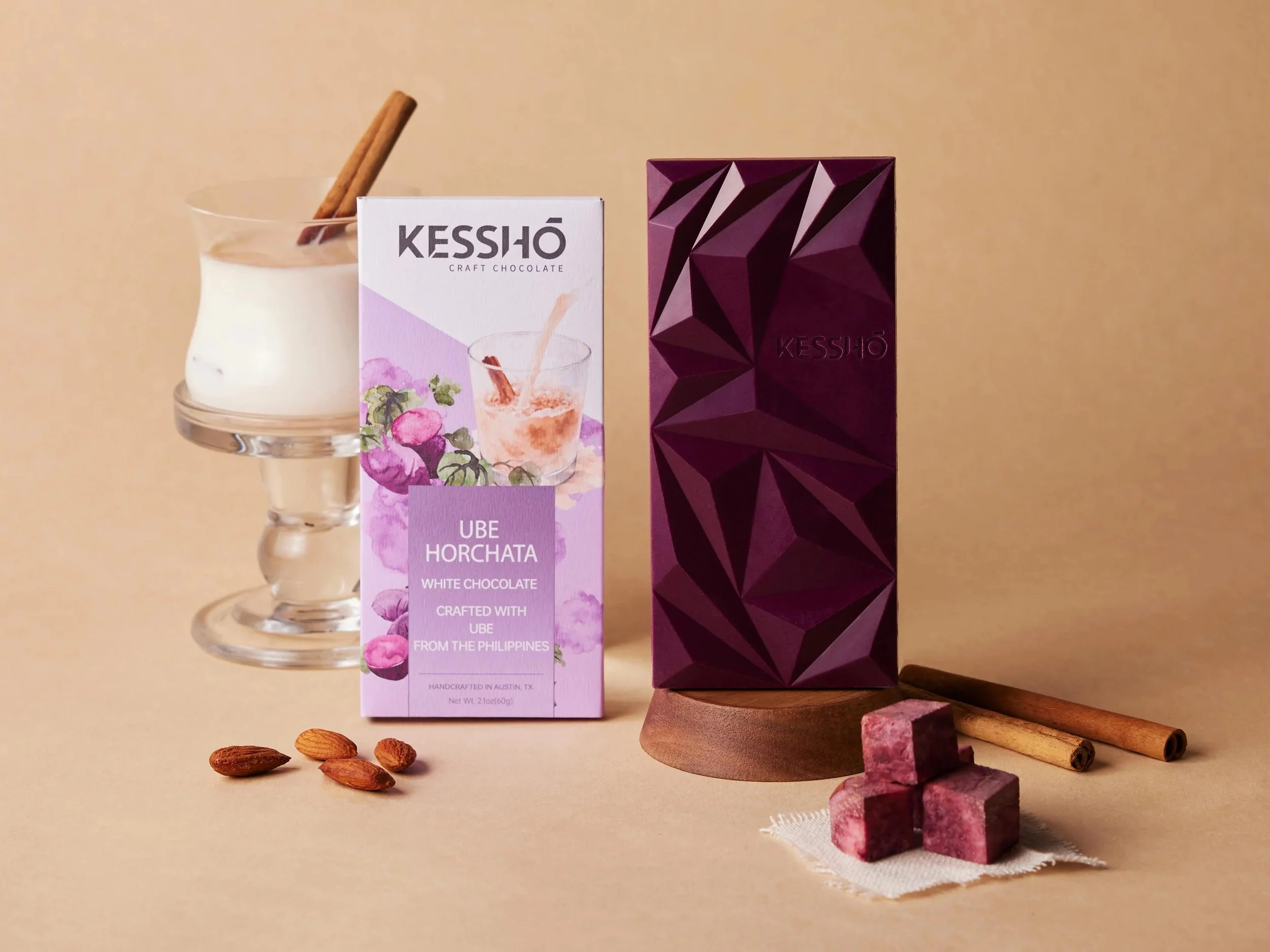
KESSHŌ Ube Horchata White Chocolate
Ube and horchata feel like an odd pairing on paper, but the Philippines and Mexico have been trading ingredients and food culture since the two countries were linked by galleon trade centuries ago. Austin's KESSHŌ leans into that — the purple yam brings earthy, faintly vanilla sweetness, while the horchata side brings cinnamon, toasted rice, and a milky, cereal-like softness. The aroma is closer to a Mexican bakery than a chocolate shop, with crisped rice adding a satisfying crunch. However far apart they started, ube and horchata taste like they were always meant to meet.
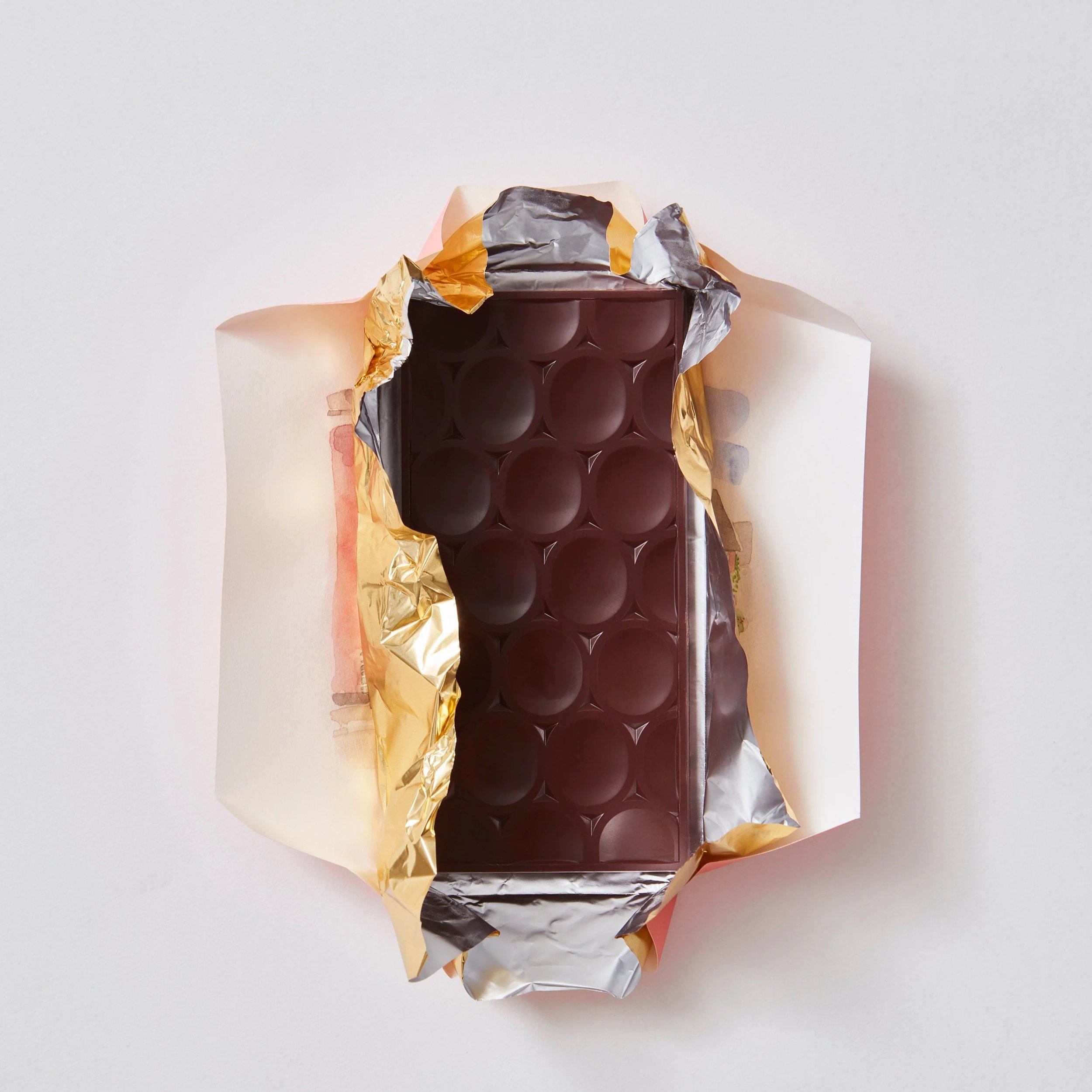
Pump Street Chocolate Rye Crumb, Milk & Sea Salt
Pump Street is both a celebrated bakery and one of the U.K.’s finest chocolate makers, and this bar is where the two sides of the business meet. In-house 100% rye sourdough is crumbed and folded through 60% dark milk chocolate made with Ecuadorian beans, alongside a touch of Halen Môn sea salt. The nutty, slightly sour flavor of the rye perfectly balances the chocolate's sweetness rather than getting lost in it. Every bite offers proper crunch from the crumbs and salt, working in harmony with the chocolate's silkiness.
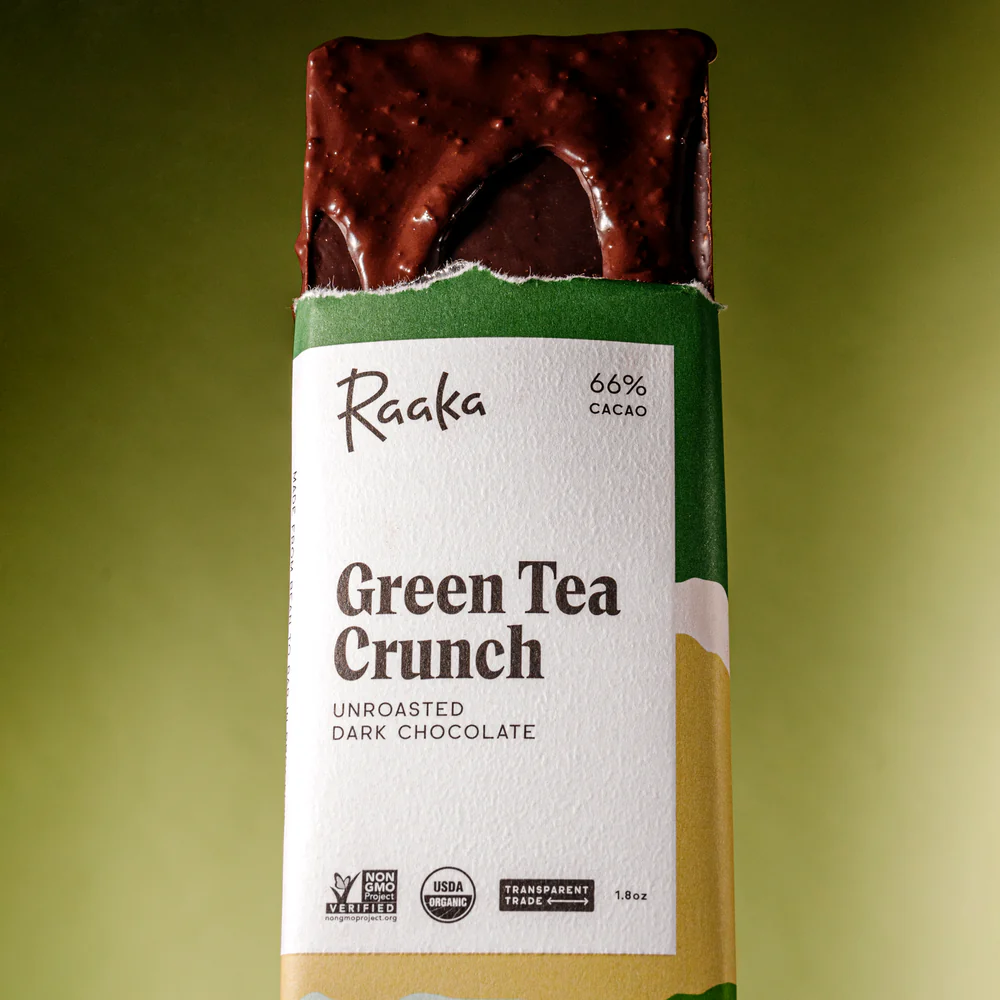
Raaka Green Tea Crunch
Green tea rarely gets a starring role in chocolate, but genmaicha is perfect for it. This tea is made by blending sencha green tea leaves with roasted brown rice, and the toasty, nutty, almost popcorn-like flavor of the rice balances the tea's grassy and vegetal notes. Brooklyn's Raaka steeps genmaicha directly into cacao butter, then works it through unroasted, fruit-forward cacao from Zorzal in the Dominican Republic. The addition of puffed quinoa adds a light crunch, creating a bar with exquisitely balanced flavors and textures.
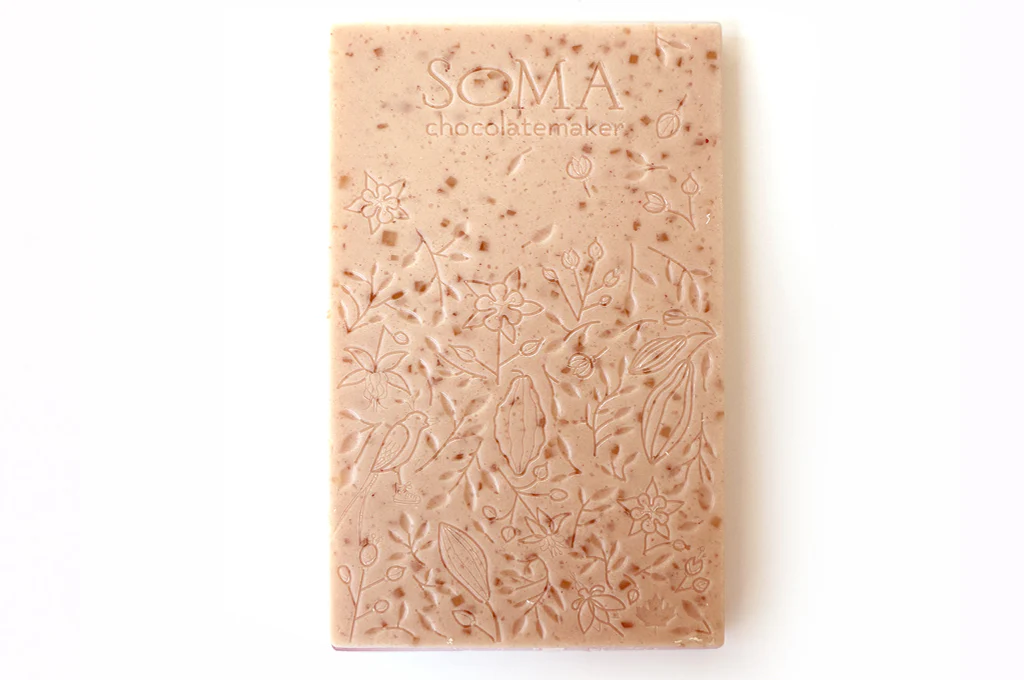
SOMA Chocolatemaker Pink Grapefruit Brown Sugar
This is a beautiful bar inspired by childhood memories from Toronto's SOMA Chocolatemaker. Co-founder Cynthia Leung’s mother used to set out grapefruit halves topped with brown sugar for breakfast, and this bar reinterprets the combination. Tart grapefruit is worked through buttery white chocolate, with crystals of brown sugar left whole. Each bite is filled with a crunchy burst of sweetness and mouthwatering citrus. There's something very special about a chocolate maker sharing a childhood memory; it's a small way of getting to know the person behind the bar.
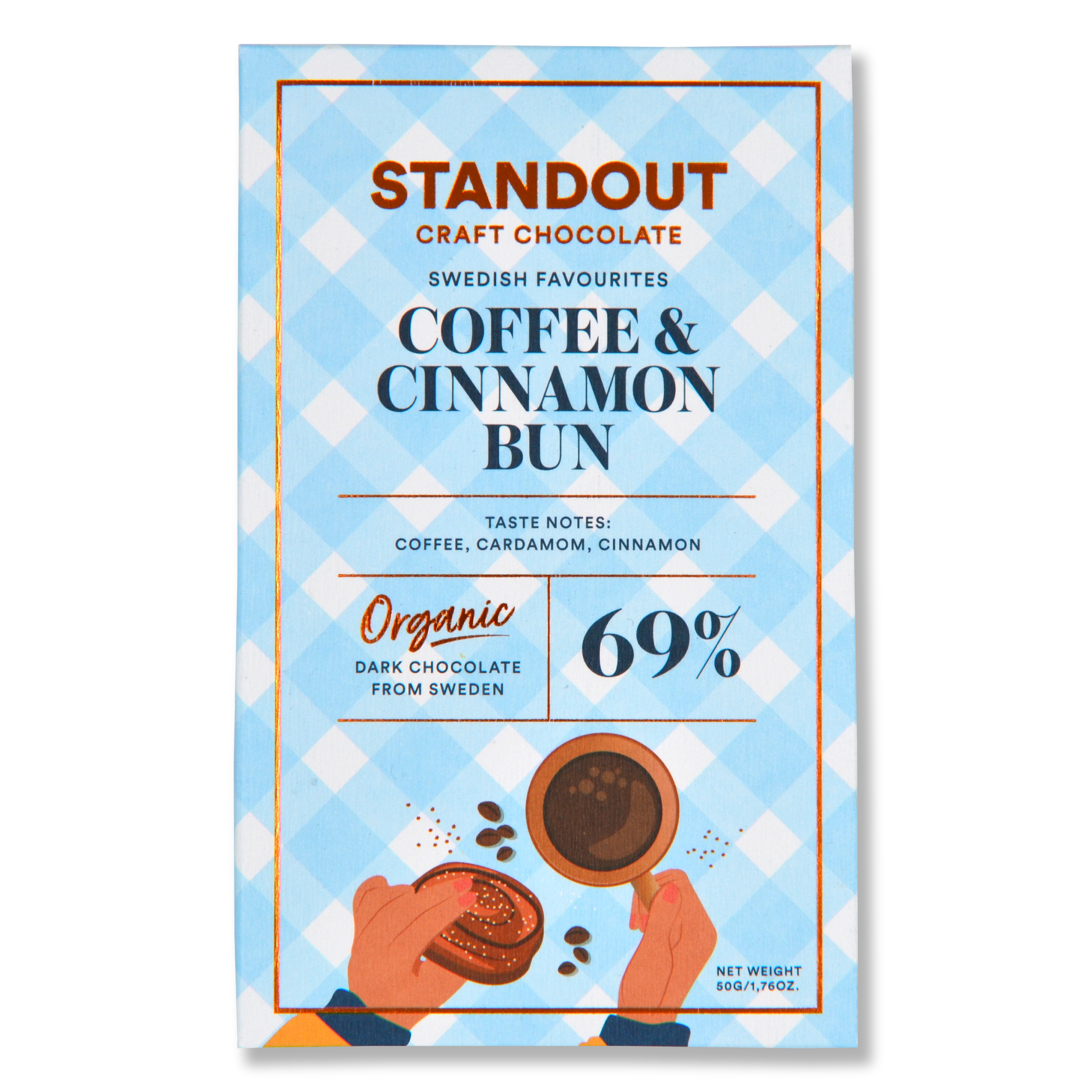
Standout Chocolate Coffee & Cinnamon Bun
Sweden has a long-standing daily ritual known as fika — a break for coffee and something sweet, usually in mid-morning or mid-afternoon. Standout, an organic craft chocolate maker founded by Fredrik Martinsson in Sweden in 2018, built this bar around a classic fika pairing — combining coffee and kanelbulle, a cardamom- and cinnamon-spiced bun that’s a staple of the tradition. Ground coffee beans, warming cinnamon, and cardamom are run through a 69% dark chocolate made with cacao from Ingemann in Nicaragua. This bar captures the spirit of fika, which is less about the coffee itself than the act of slowing down.