
Why Chocolate and Spice Are Such a Great Pairing + 7 Spicy Bars
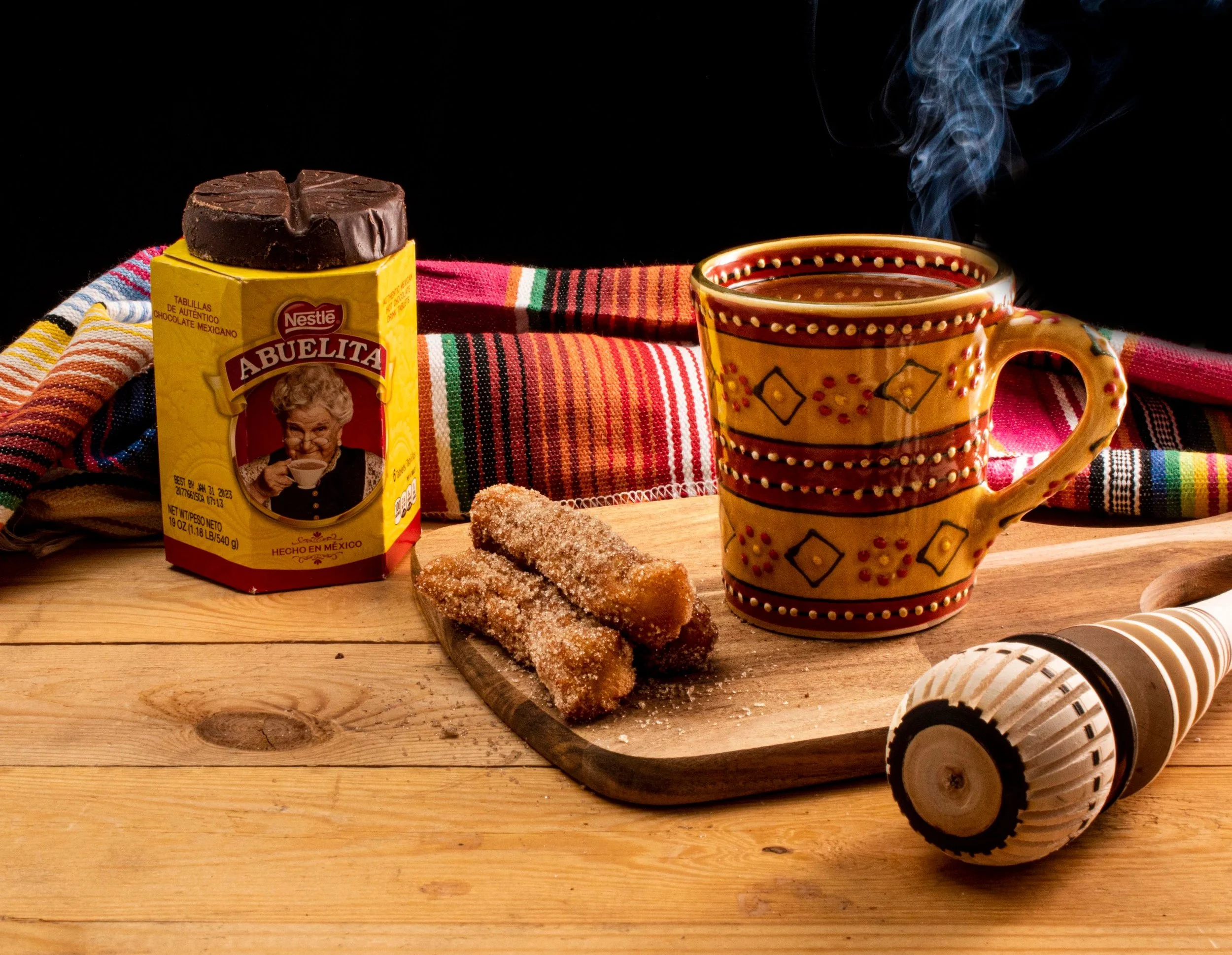
Mexican hot chocolate and churros
Long before bagged Mexican hot chocolate and chocolate and chili bars crowded store shelves, cacao and spice were served together as a frothy, savory drink. This savory combination -- rich cacao paired with the building heat of chili – is one of the oldest expressions of cacao. “Thinking of cacao as more of a savory and complex food lends itself to more savory inclusions, like spices and herbs,” explains Chocolate Professor Contributing Editor Luke Owen Smith.
If you’ve ever dropped a square of dark chocolate into a pot of chili, you’re enjoying a pairing that goes back thousands of years. As history tells it, this pairing is anything but novel.
Cacao’s savory origins
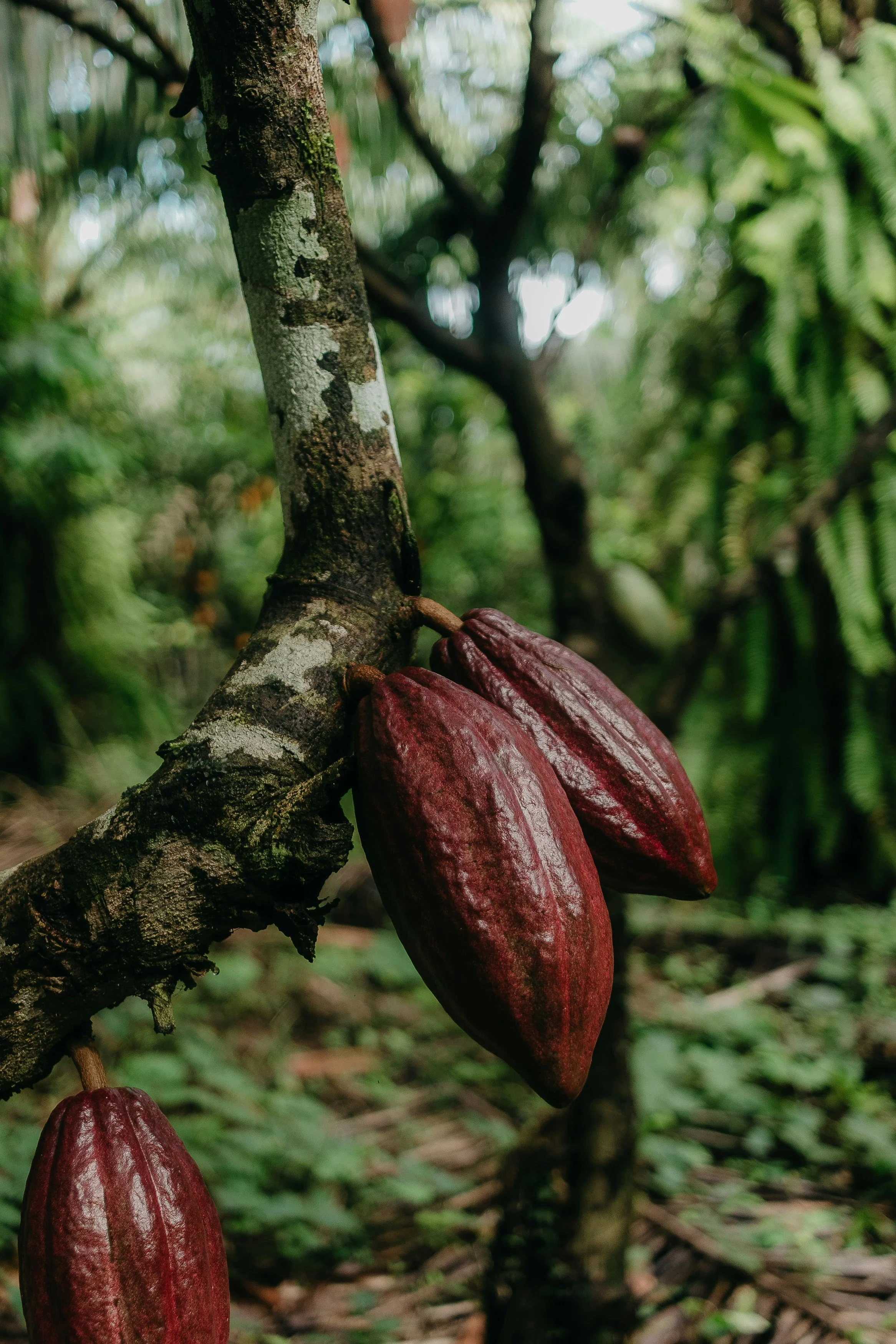
Cacao pod on the tree
According to an article in ScienceNews, more than 5,000 years ago, the Mayo-Chinchipe culture in modern-day Ecuador was consuming cacao seeds and pulp as both food and drink. Much later, both the Aztecs and the Mayans mixed cacao with chili to create a drink that was frothy, spicy, and savory. This was nothing like the rich chocolate drinks that dominate café menus today. The drink was undeniably bitter, and with its building heat, it was a real labor of love. After fermenting, drying, roasting, and grinding the beans, the maker added water and poured the entire concoction back and forth between cups to create as much froth as possible. To the Aztecs, the drink – and its intensive preparation – symbolized power and prestige.
The Introduction of Sweetness
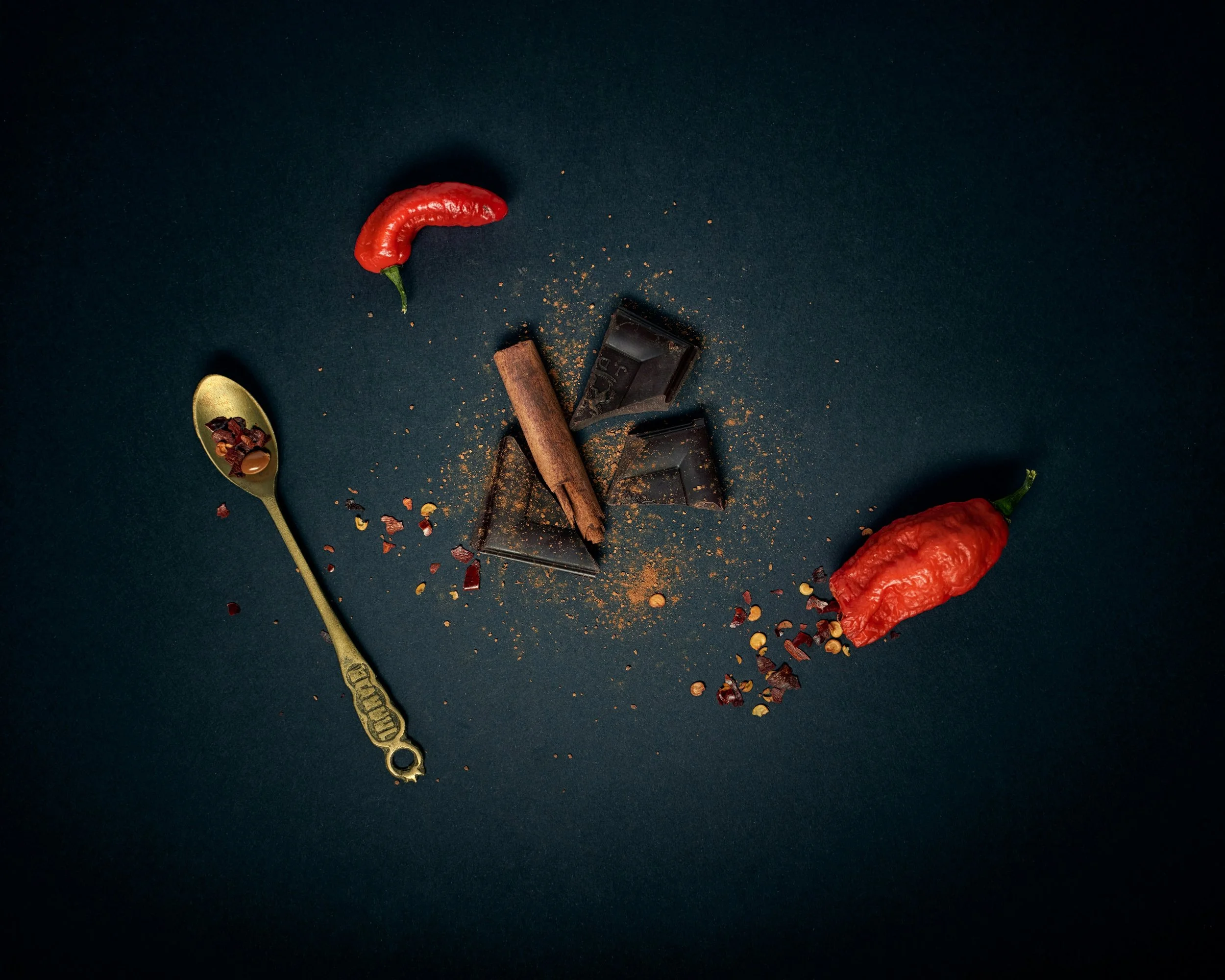
Chocolate and Chiles
Cacao was enjoyed in Mesoamerica for more than 3,000 years before it crossed the Atlantic. When Spanish conquistador Hernán Cortés arrived in Mexico in 1519, Aztec emperor Moctezuma II served him cacao. It’s reported that Cortés didn’t fully appreciate the taste of the drink xocolatl, but he recognized its trade potential and brought some cacao beans back to Spain. There, Cacao would be mixed with sugar cane and slowly it evolved into a sweet hot chocolate.
Sweetened chocolate was appealing, and quickly spread through the royal courts of Europe. But some chefs still wanted to see what the savory side of chocolate had to offer. In 17th-century Italy, chefs were experimenting with both savory and sweet applications of chocolate, and by the 18th century, it appeared in recipes for pappardelle and lasagna.
Chocolate was also included in savory Catalan dishes, as it traveled from the Aztecs to Spain. Catalan cooks sometimes included dark chocolate in their picada, a thickening paste, usually made with garlic, parsley, nuts, and olive oil.
Why It Works
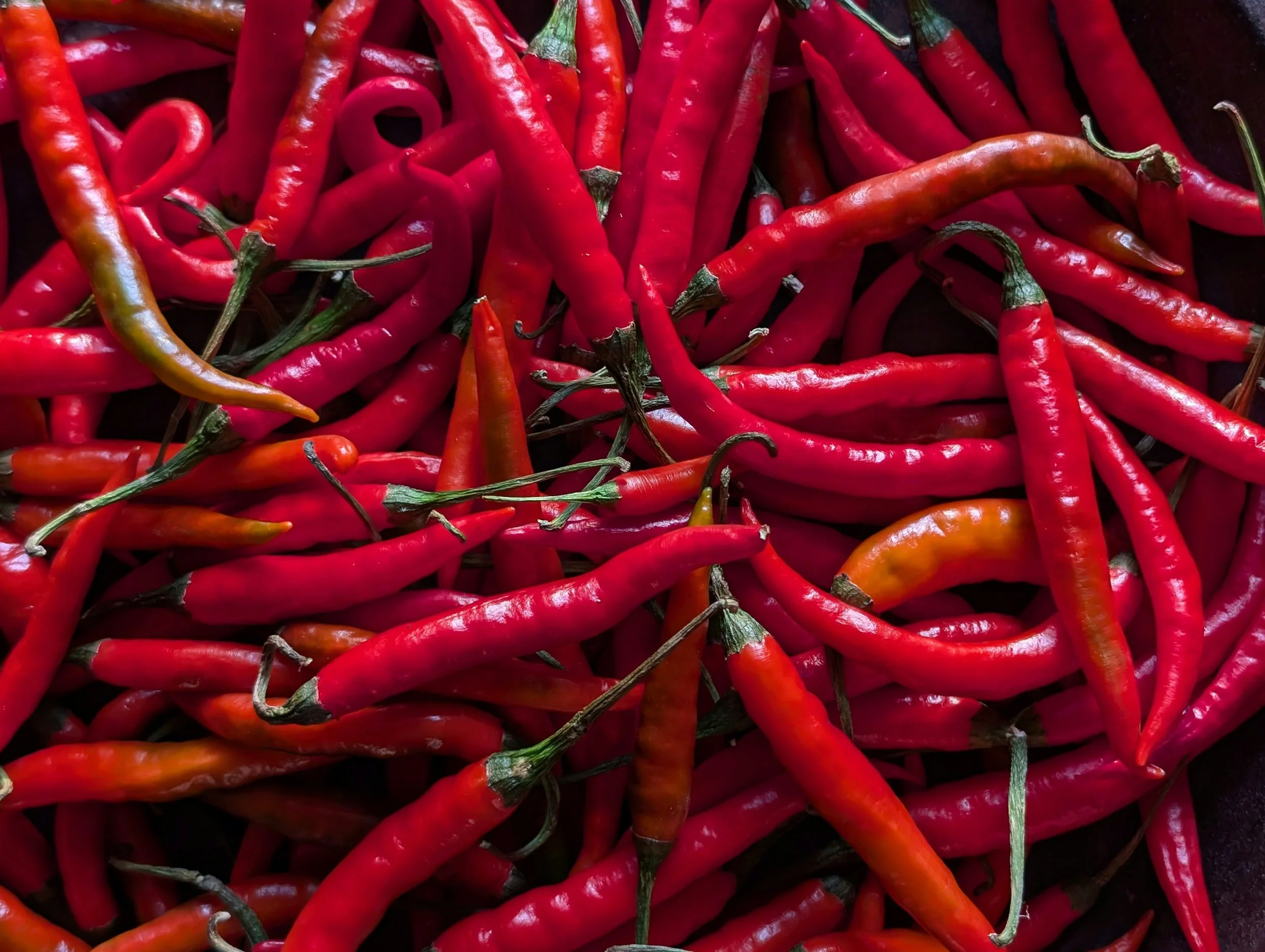
Chiles
If you’ve ever tasted a Mexican hot chocolate, you already know how alluring the combination of chocolate and spice can be. While milk and nut butters soften the bitterness perception of cacao, baking spices enhance the compounds in chocolate to make it taste even richer. And when savory spices like chili are introduced, the bitterness of cacao is brought front and center, unable to hide behind a softening dairy component. Capsaicin, the main pungent compound in chilis, binds to TRPV1, a receptor that senses heat and creates sensation of building heat. The pairing of cocoa butter, the mouth-coating fat component of chocolate, with chili creates a harmonious interaction.
Cacao is a pairing powerhouse that works with a whole range of foods and textures. In savory dishes, cacao adds complexity through a subtle bitterness, and also can thicken stews and chilis.
Where it survives today
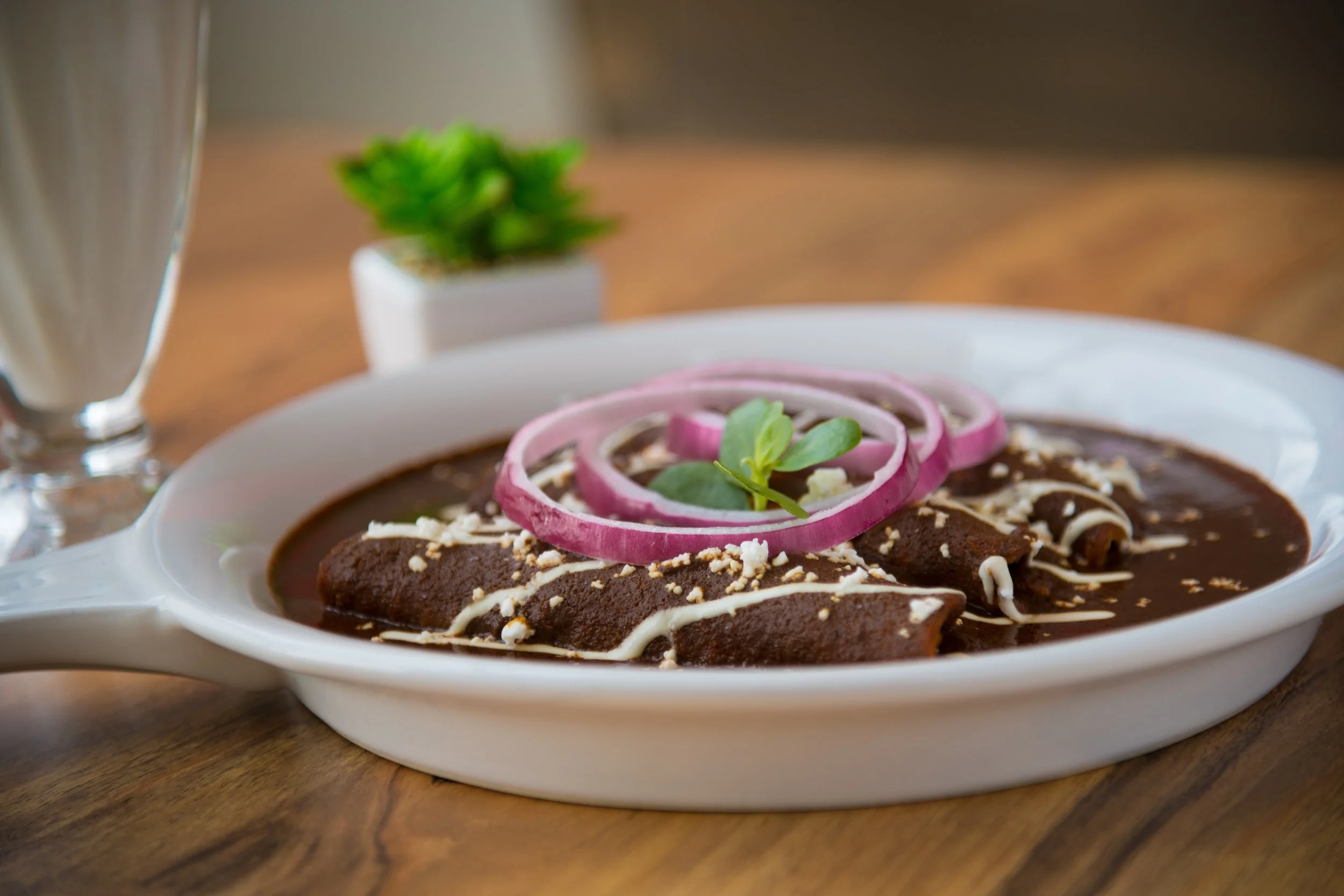
Mole sauce enmoladas
Mole is one of the best-known surviving iterations of savory chocolate and spice. Although the true origins of mole are uncertain, some stories trace the origin back to a 17th-century convent in Puebla, Mexico. Today, mole’s significance is cemented through its inclusion with other traditional Mexican cuisines on UNESCO Intangible Cultural Heritage list.
Cacao nibs in a glacé, hunks of chocolate in a reduction – it all sounds a bit fantastical like something out of Willy Wonka’s Chocolate Factory. But if home cooks take a few liberties, they may find a whole trove of unexpected delights in pairing chocolate with savory and spicy flavors.
If you don’t have time to make a mole from scratch, chili is an easy way in, since even just a square of dark chocolate can enhance it. Bitter cocoa in a barbecue rub is also a great option. And the assortment of savory bars is growing. “We're seeing much more emphasis on the flavor of specialty cacao beans, and a desire to taste cacao more than sugar,” explains Smith. It’s tempting to see chocolate and spice as a modern-day culinary embellishment, but a pot of mole, or a stew thickened with chocolate both give a nod to that first frothy cup.
7 spicy and savory chocolate bars
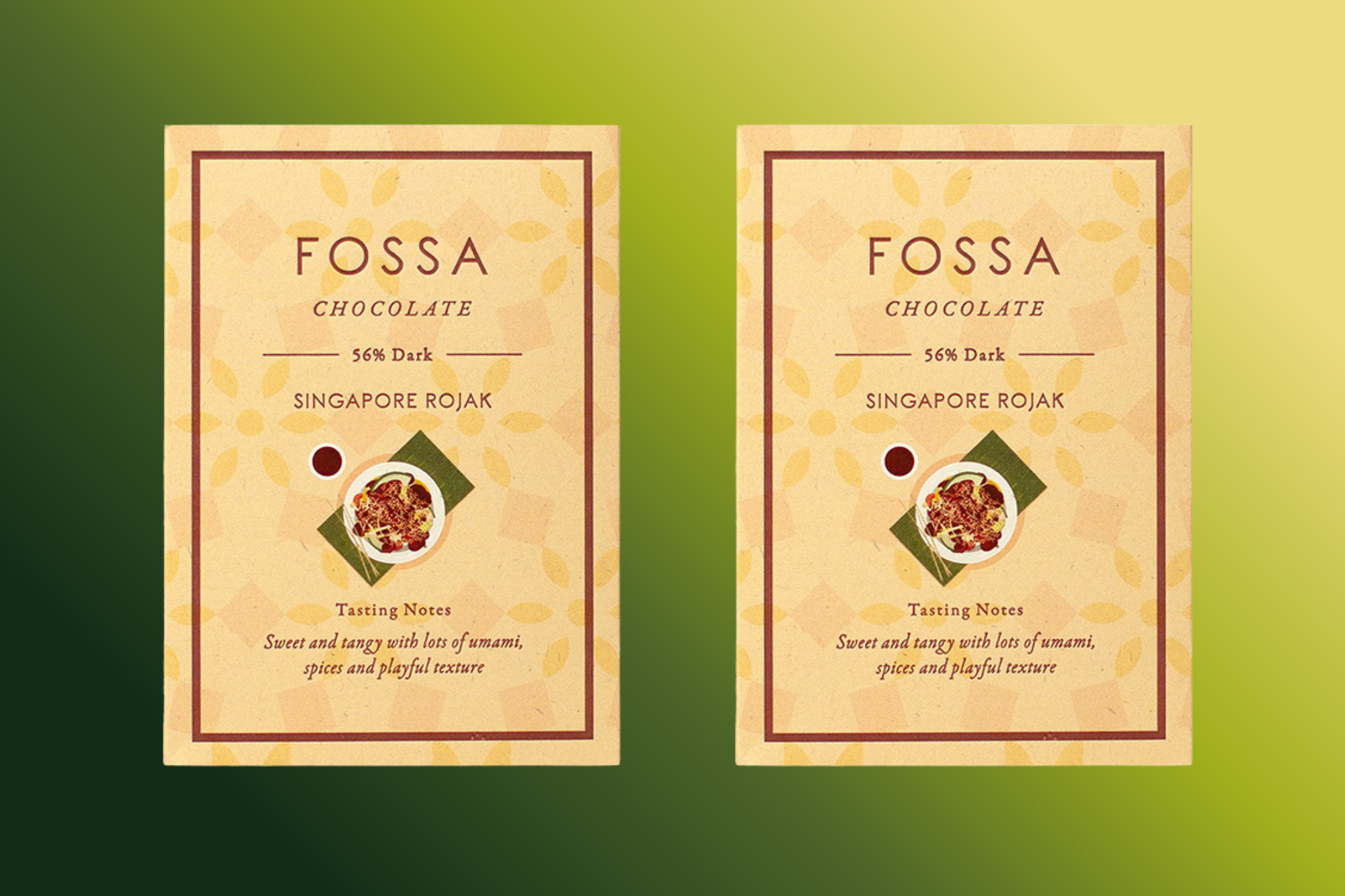
Fossa Singapore Rojak
Drawing on the flavors of Rojak, a Singaporean street food salad, Fossa combines 56% dark chocolate with rich savory and sweet notes like dried shrimp and pineapple.
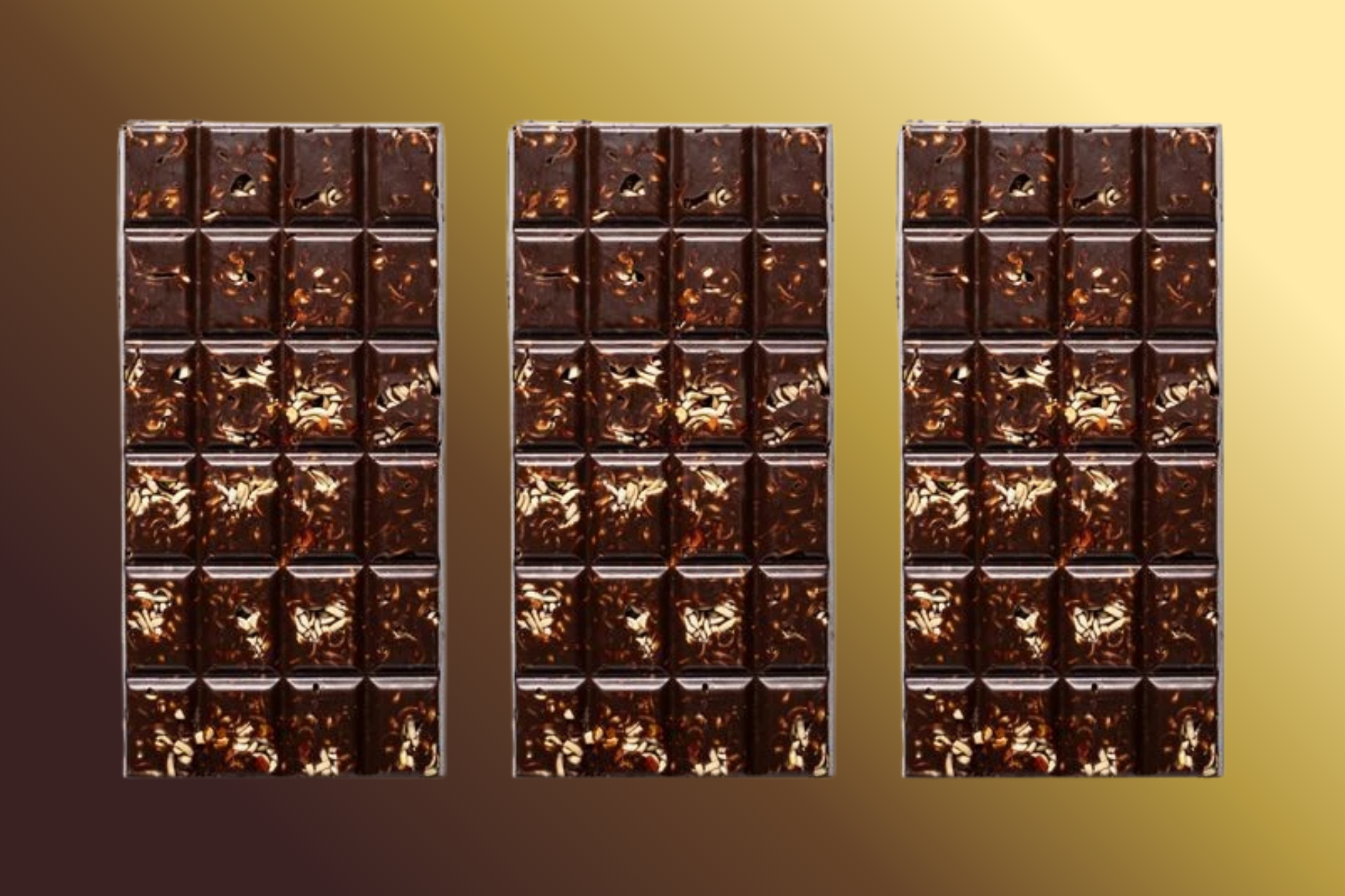
Hype spicy chocolate bar
The crunch of ramen noodles and the spice of chili powder, shichimi togarashi, and red pepper flakes are the foundation of this balanced bar.
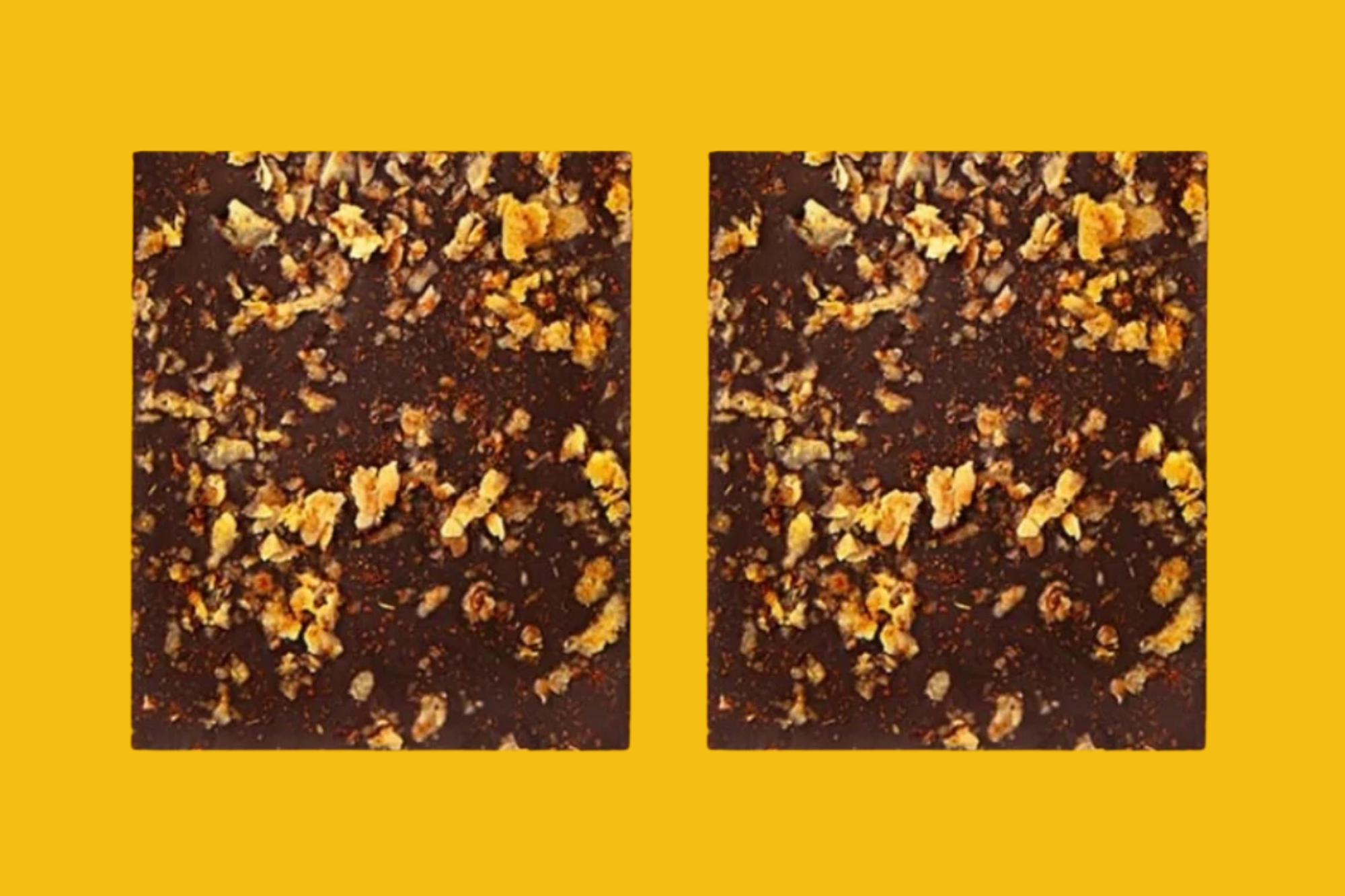
Poppy And Peep Nashville Hot Chicken Dark Chocolate Bar
The building heat of cayenne pairs well with the crispy fried breading that sits atop each of these bars.
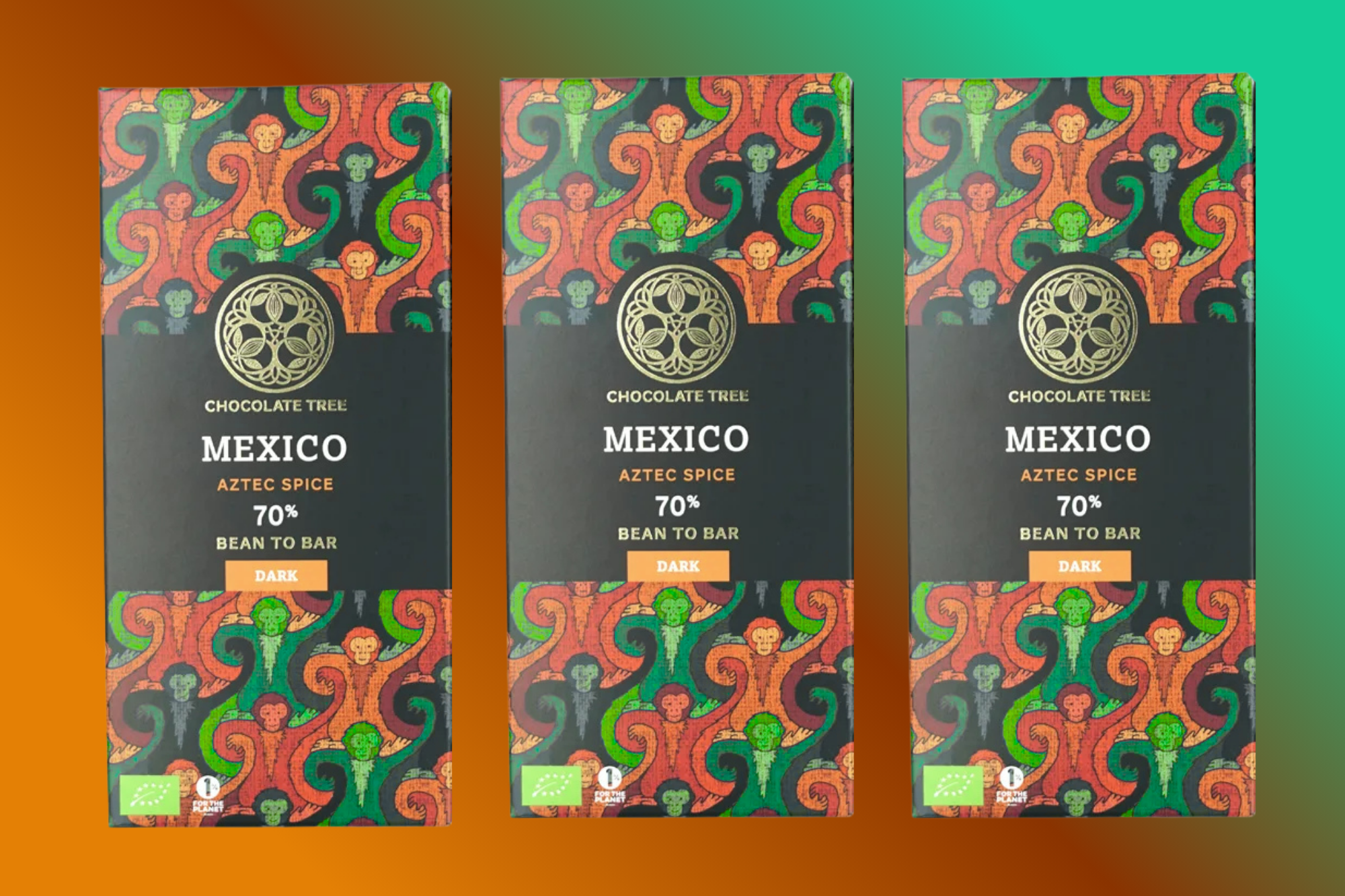
Chocolate Tree Mexico Aztec Spice
Drawing on the simplicity of chocolate and spice, this bar balances both characteristics and puts both at the forefront.
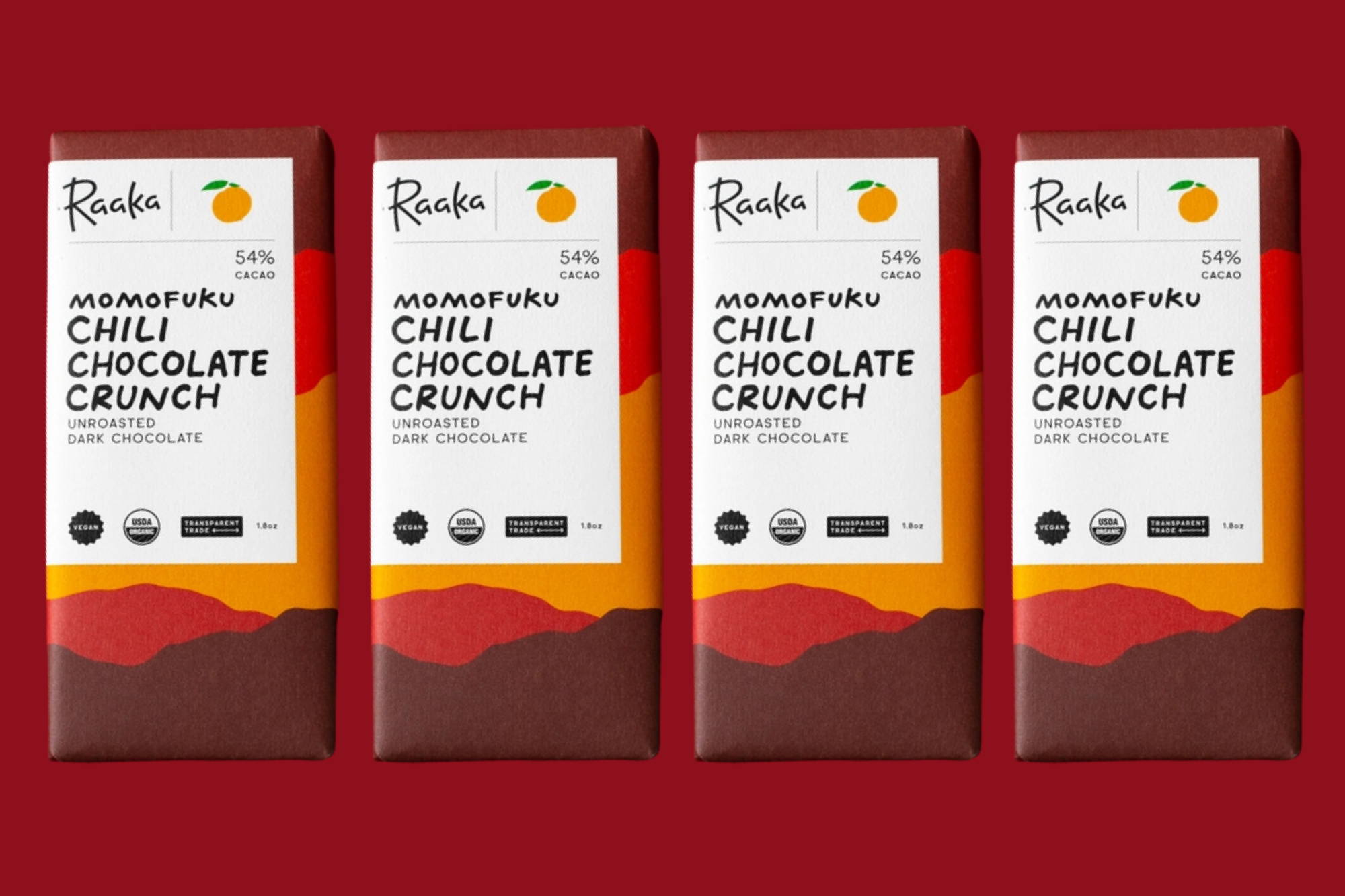
Momofuku Raaka Chili Crunch
The flavors of Momofuku’s classic chili crunch are transformed into a chocolate bar, but not before adding crispy puffed quinoa, pink sea salt, and sesame seeds for texture.

Baron Hasselhof Viva Frida
This spicy, smoky bar gives a nod to Frida Kahlo’s Mexican roots by taking inspiration from traditional Mexican mole recipes.
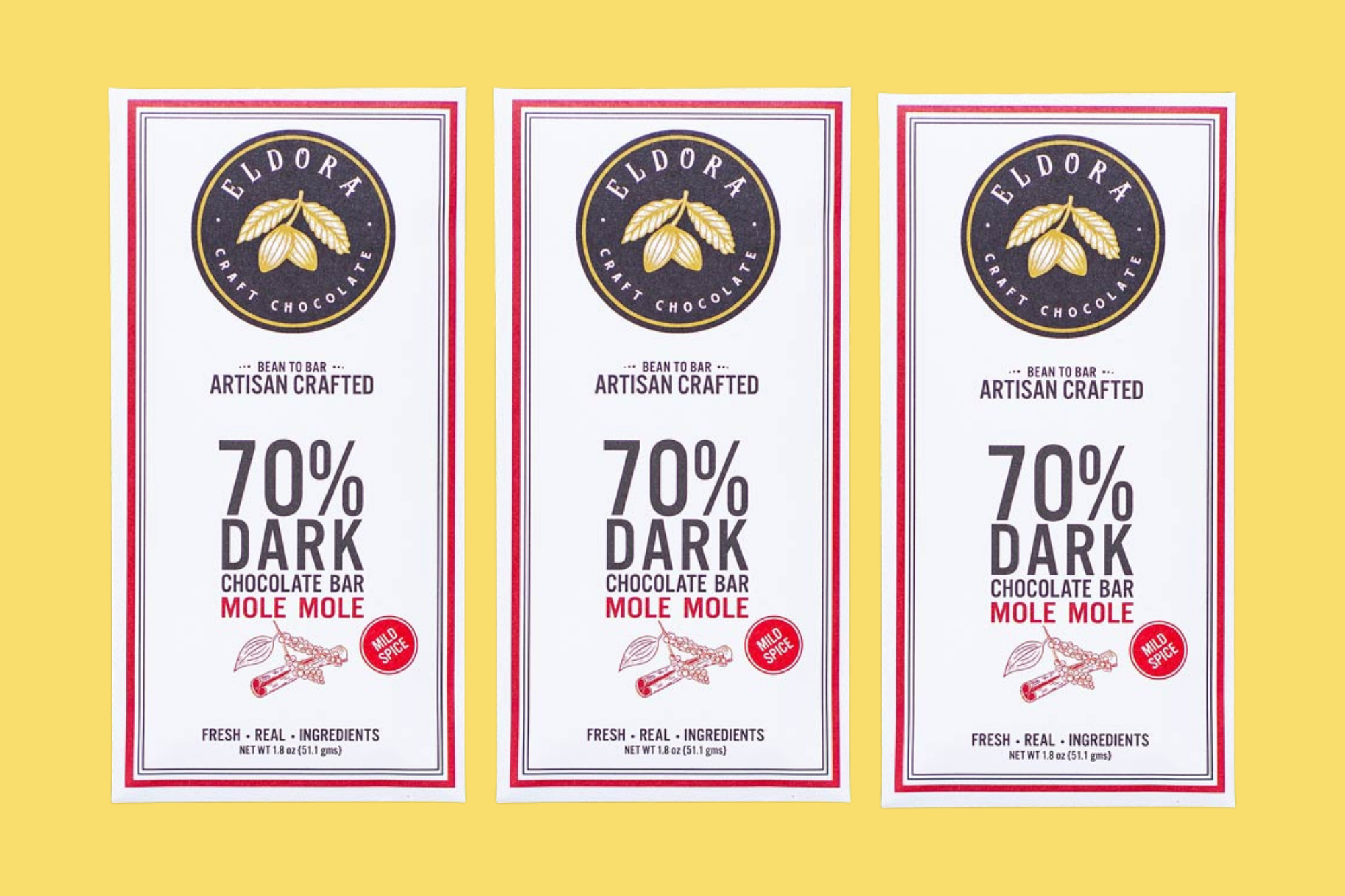
Eldora Mole Mole Chocolate Bar
At 70% dark chocolate, the Mole Mole bar is only mildly spicy and lets the rich chocolate do the heavy lifting.