
10 Ethical Chocolate Brands You Can Buy at the Grocery Store

Ethical chocolate bars you can buy at the grocery store
The sweetest treats sometimes come with a bitter aftertaste. Chocolate, in particular, is one of the most fraught commodities worldwide, given the juxtaposition between the largely impoverished regions where cacao is grown and the countries that are largely responsible for manufacturing it for widespread distribution. Many mass-produced chocolate brands have been linked to humanitarian concerns, with forced or child labor and farmer poverty severely affecting the industry and environmental issues like deforestation also a concern. Some of the most ubiquitous brands, like Hershey, Lindt, and Cadbury, are unfortunately among the worst choices when it comes to ethical chocolate.
Organizations such as Fairtrade International, International Cocoa Initiative, and the World Cocoa Foundation are working to improve and monitor conditions in the chocolate trade, and others such as The Good Shopping Guide, Slave Free Chocolate, and Ethical Consumer aim to give shoppers the information they need to make choices that feel good both for the taste buds and the soul.
One of the best ways to consume chocolate without contributing to the misfortune of cacao growers and workers is to seek out small, local brands that champion accountability and traceability. But not everyone has easy access to small-scale, responsible chocolate, at least without relying upon big internet buying and shipping. The good news is, not every big brand is an irresponsible one. While major brands like Valrhona and Vosges score favorably on scales that measure ethical practices, those brands are more likely to be found in restaurant supply stores or in their own specialty boutiques. What’s someone to do when a chocolate craving hits when it’s simply wandering the aisles of a grocery store or corner shop? Not get chocolate? The horror!
To avoid further contributing to the real-life horrors that cacao growers and workers may face, we have cross-referenced lists from the above organizations and followed the crumbs — or nibs, if you will — to find recommended brands that also had national distribution in grocery stores such as Whole Foods, if not even more broadly. Below are eight brands (plus two semi-honorable mentions, denoted with an asterisk), to buy when you’re looking for ethical chocolate at the grocery store.
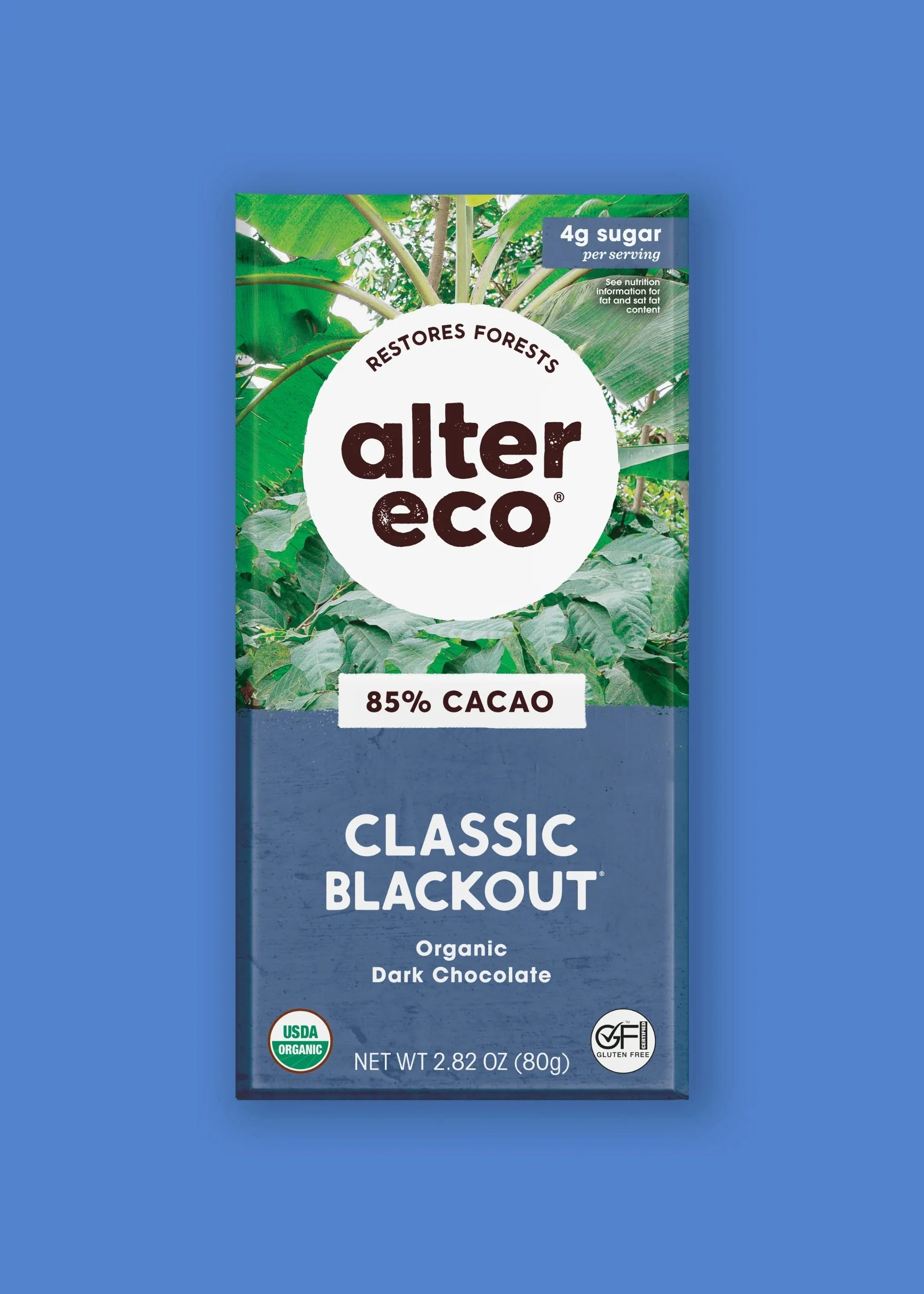
Alter Eco Chocolate
Not only is Alter Eco alphabetically first, it is the only brand on The Good Shopping Guide to score a perfect 100 across all categories, earning a checkmark for every measurable attribute across environmental, animal, people, and other concerns. The brand pegs itself as the “cleanest green snacks on earth” and produces accessible chocolate bars and other treats with both classic and inventive flavors such as its dark chocolate Blackout line (Classic Blackout, Super Blackout, and Total Blackout, plus Mint Blackout, Almond Blackout, Orange Blackout, and Raspberry Blackout) as well as Coconut Toffee, Quinoa Crunch, and Brown Butter. The handy store finder on its website shows that one can find Alter Eco not only in Whole Foods, but in Wegmans, Hy-Vee, and Harris Teeter, among many other market chains and specialty shops.
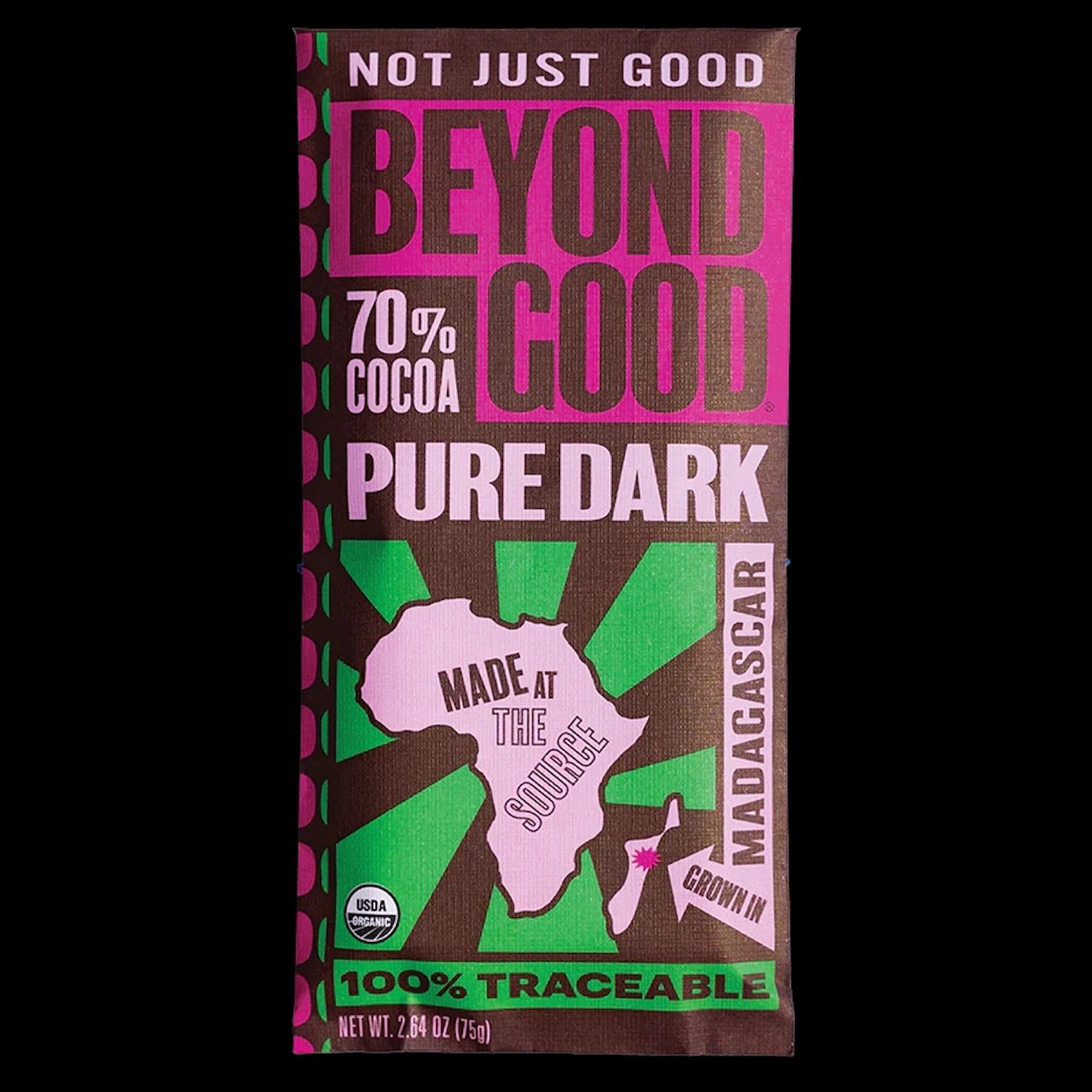
Beyond Good Chocolate
Beyond Good aims to “change the way the world experiences chocolate and vanilla,” working directly with farmers of both crops. By sourcing directly in both Madagascar and Uganda and producing at local facilities in both countries, thereby reducing transport emissions, Beyond Good offers the usual dark chocolate bars in various flavors, plus 60% and 72% Cocoa with Vanilla Bean. Its Microbatch line also offers bars with various inclusions such as Candied Ginger, Sea Salt & Nibs, and Rum Raisins. Beyond Good is available at various market chains nationwide, including Kroger, Ralphs, and Sprouts Farmers Market.
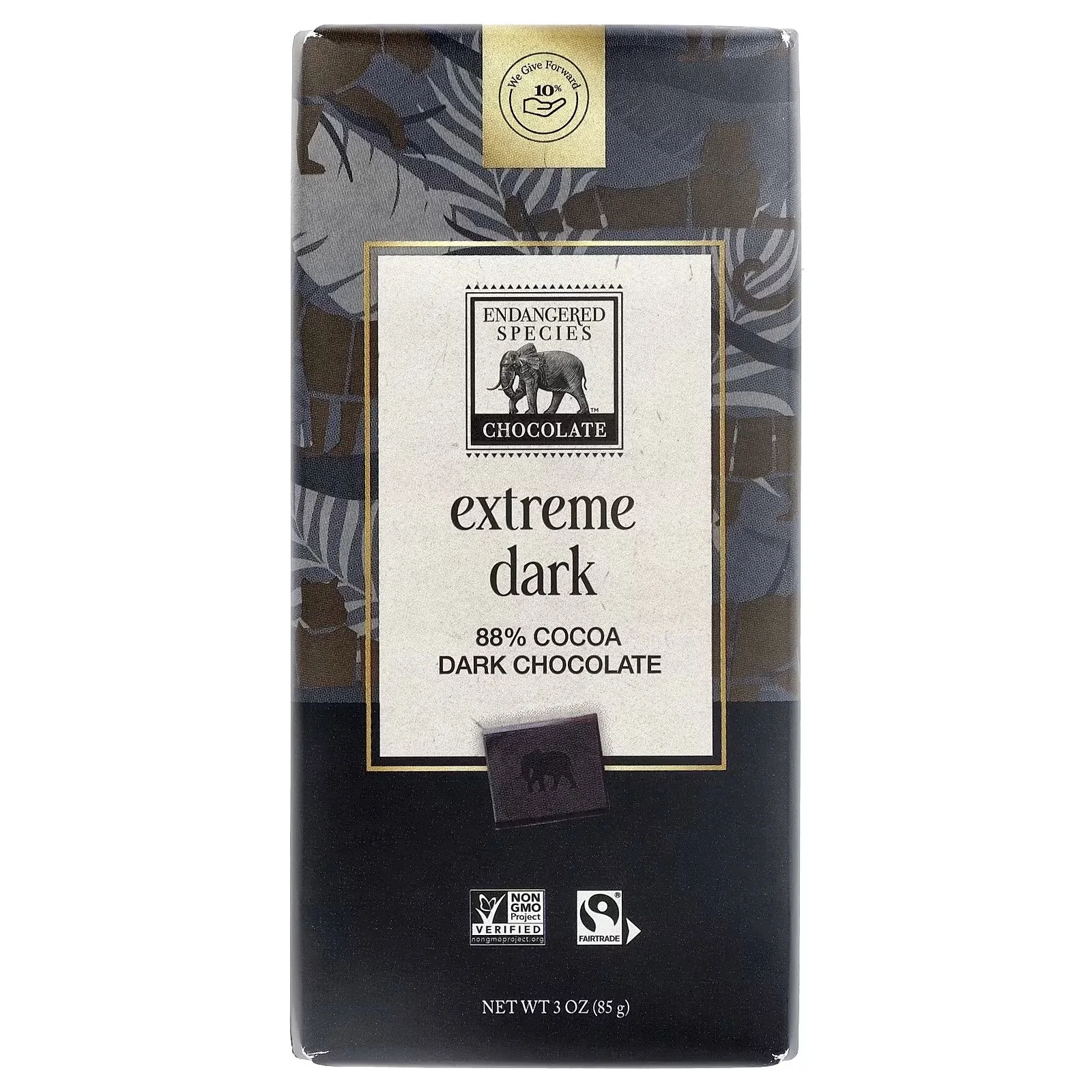
Endangered Species Chocolate
Proclaiming “Great chocolate; great cause” on its landing page, the specific mission of Endangered Species chocolate is wildlife conservation by eliminating discarded plastics from various animal habitats. On the chocolate front, Endangered Species is supported by Slave Free Chocolate as a brand that uses ethically grown cocoa and is not in partnership with any complicit companies. Its 15-plus chocolate bars are also labeled with fair trade and non-GMO certifications, with its Extreme Dark 88% bar also bearing the 4Ocean logo as a partnership to bring attention to the plight of orcas. Look for its elephant-branded labels (and elephant-embossed chocolates) at retailers such as Gristedes, Meijer, and Albertsons across the country.
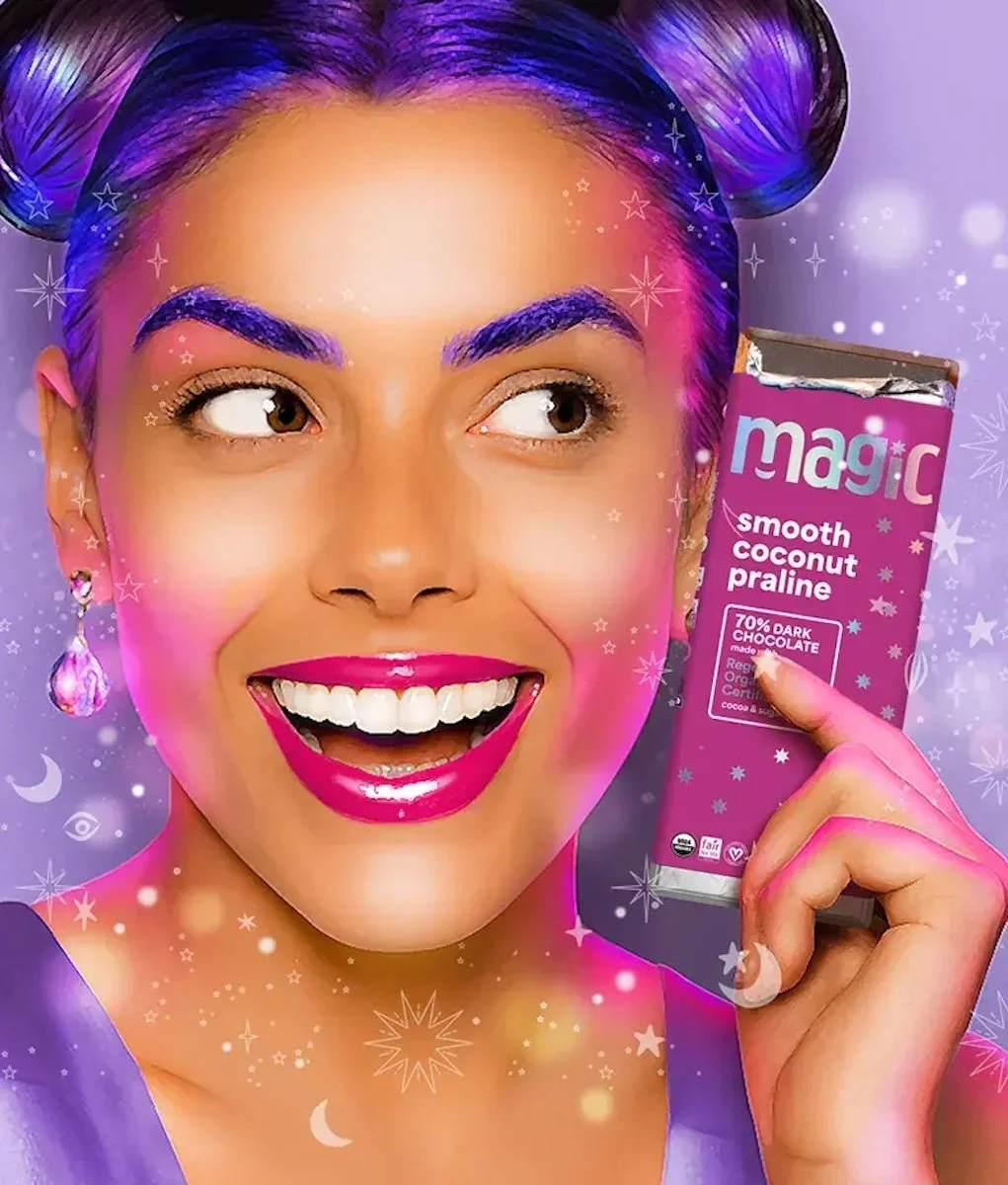
Magic Chocolate
Formerly known as Dr. Bronner’s Magic Chocolate — yes, that Dr. Bronner’s of soap and lip balm fame — Magic Chocolate follows the guiding “cosmic principles” of its parent company, and is the first Regenerative Organic Certified chocolate brand, meaning that the Ivory Coast farms that supply the cacao have met defined standards for regenerative agriculture, and are also certified as fair trade and organic. The brand’s 70% dark chocolate bars come in a variety of flavors including Smooth Coconut Praline, Cool Peppermint Creme, and Crunchy Hazelnut Butter, and three 45% “milk” chocolate options are made with oat milk, meaning the entire product line is also certified vegan. You can find Magic Chocolate wherever you’d look for Dr. Bronner’s products, including Fresh Thyme, Whole Foods, and Sprouts Farmers Market.
Raaka Chocolate
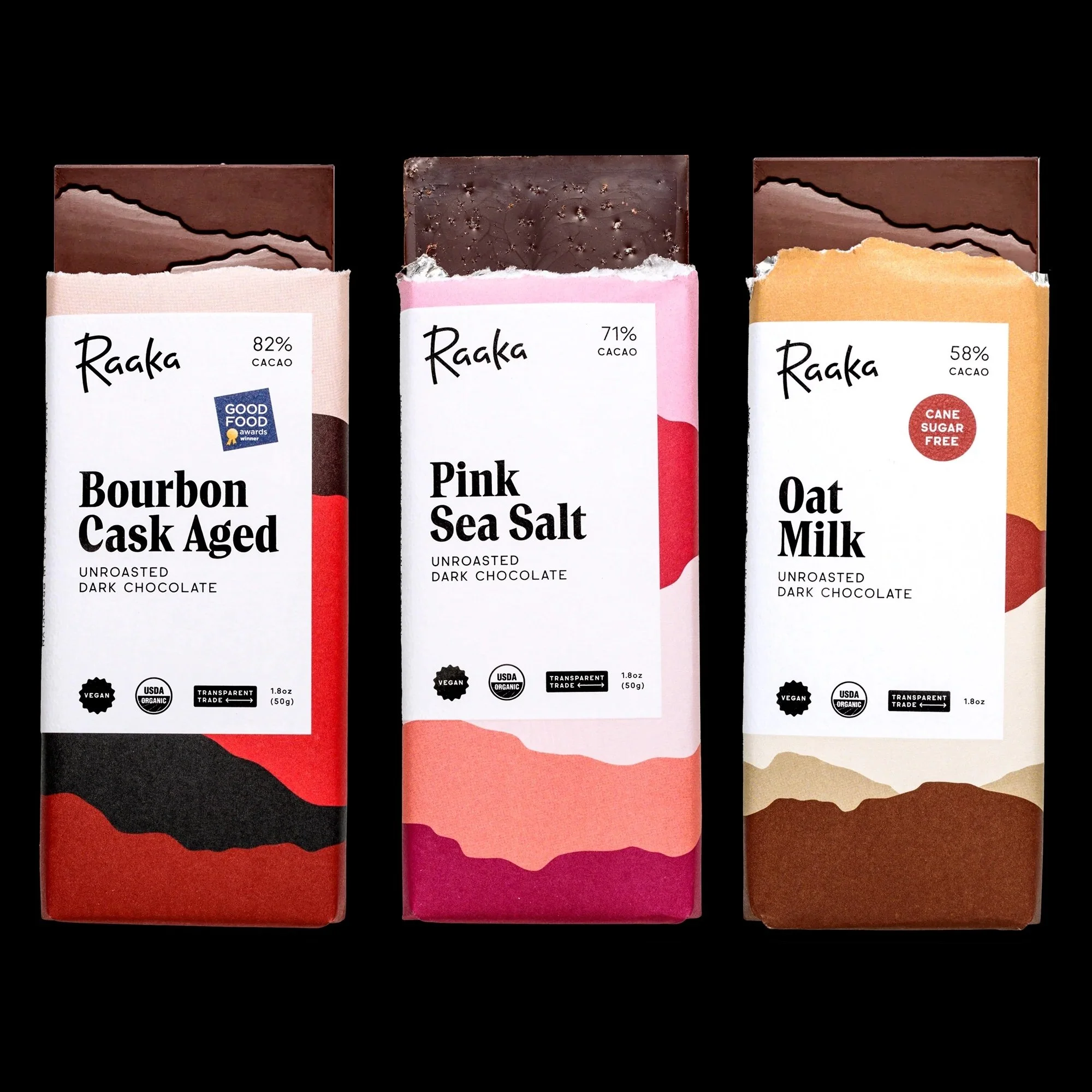
Brooklyn-based Raaka Chocolate publishes a traceability report inside each individual chocolate bar wrapper that includes how much the cacao was purchased for, self-titling what they do not only as fair trade but also “transparent trade.” The brand takes its name from the Finnish word for “raw,” and makes chocolate from beans that have been dried but not roasted in order to preserve the cacao’s naturally fruity flavors. Many of their bars have fruit or herbal flavors to emphasize this essence, including Bananas Foster, Green Tea Crunch, Dates & Nibs, Strawberry Verbena, and Olive Oil Apricot. In addition to Whole Foods nationwide, Raaka products can be found in specialty markets and cheese shops, and other grocers such as Kowalski’s, Metropolitan Market, and Bi-Rite Markets.
Taza Chocolate
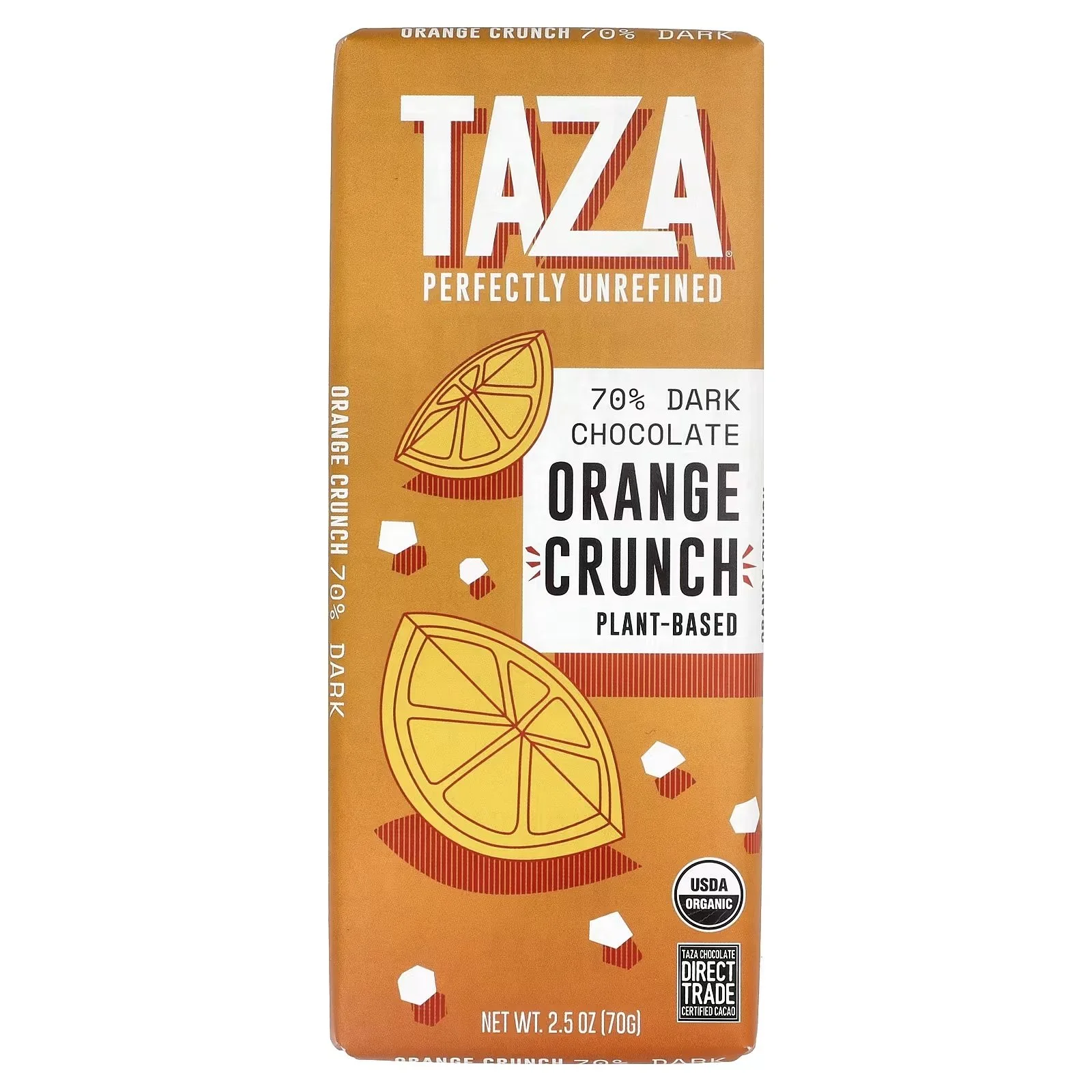
Unrefined and minimally processed, Taza was the first U.S. chocolate brand to establish a Direct Trade certification program, which pays cacao growers above Fairtrade minimum prices. Further reinforcing this commitment, Taza publishes an annual cacao sourcing transparency report that outlines exactly what farmers were paid. Condoned by Slave Free Chocolate, Taza’s cacao is sourced directly from farmers whose practices respect both workers and the environment. While this commitment to ethics isn’t unusual for those on this list, what is unusual is that Taza makes rough ground chocolate according to a Mexican, stone-milling process, resulting in chocolate that is intentionally textured, unlike most refined chocolate. Taza’s two dozen bars, some with unique flavors like Cornflake Crunch, Lemon Cookie Crunch, and Triple Nut Crunch, are available in retailers across the country like Stop & Shop, Central Market, and The Fresh Market.
TCHO Chocolate
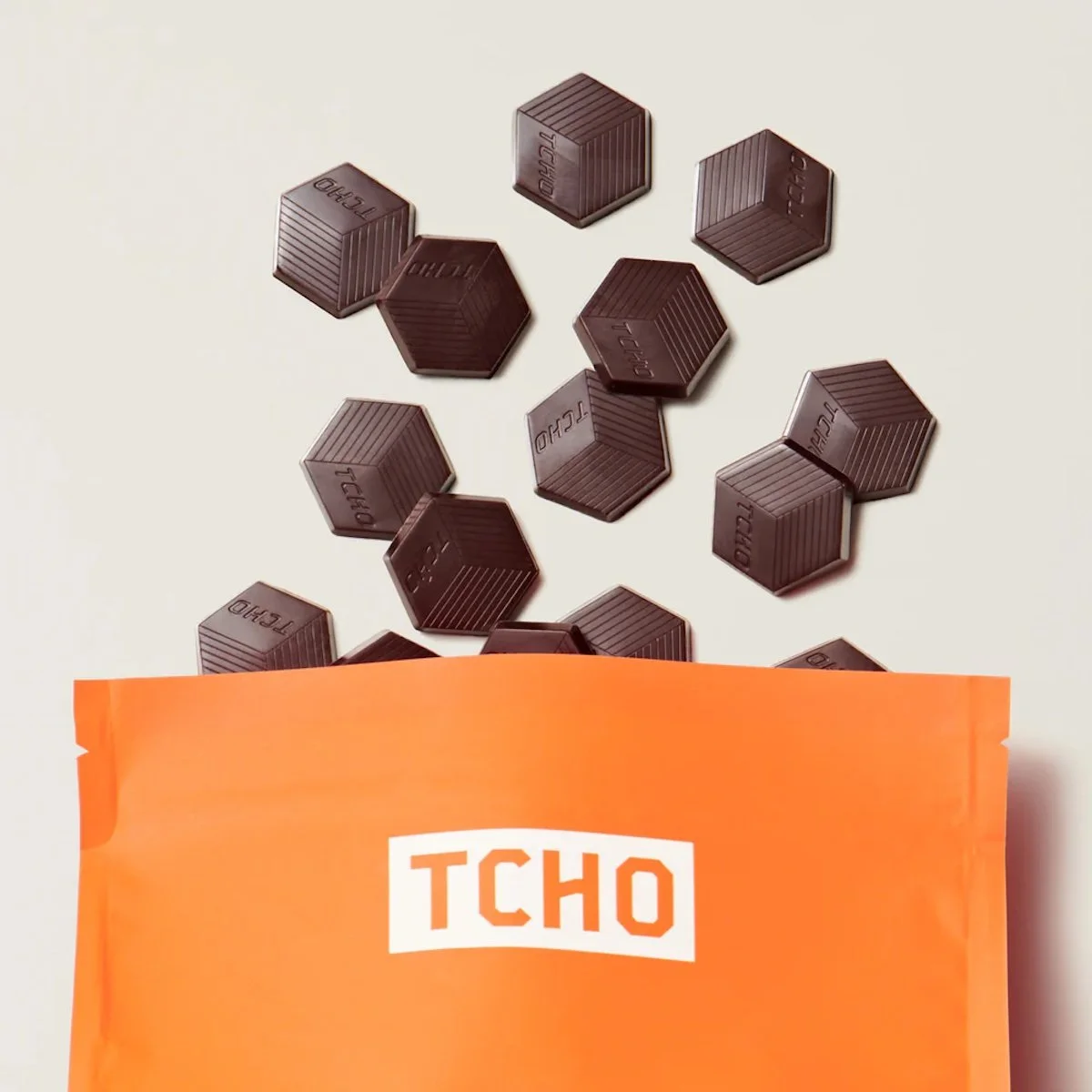
One of the hallmarks of TCHO’s efforts to improve both chocolate quality and growers’ livelihoods is the establishment of its own investment and infrastructure initiative. Called TCHO Source, the initiative provides tools to both growers and scientists at the source — literally — where the cacao is grown, at sites in South America, the Caribbean, and Africa. Both Fair Trade and B Corp certified, TCHO produces both snacking and baking chocolate. Its nine sassy square bars include flavors like Dark & Salty, Holy Fudge, and Perfect Matcha. TCHO is widely distributed in both grocery chains, natural and gourmet markets, and specialty stores.
Theo Chocolate
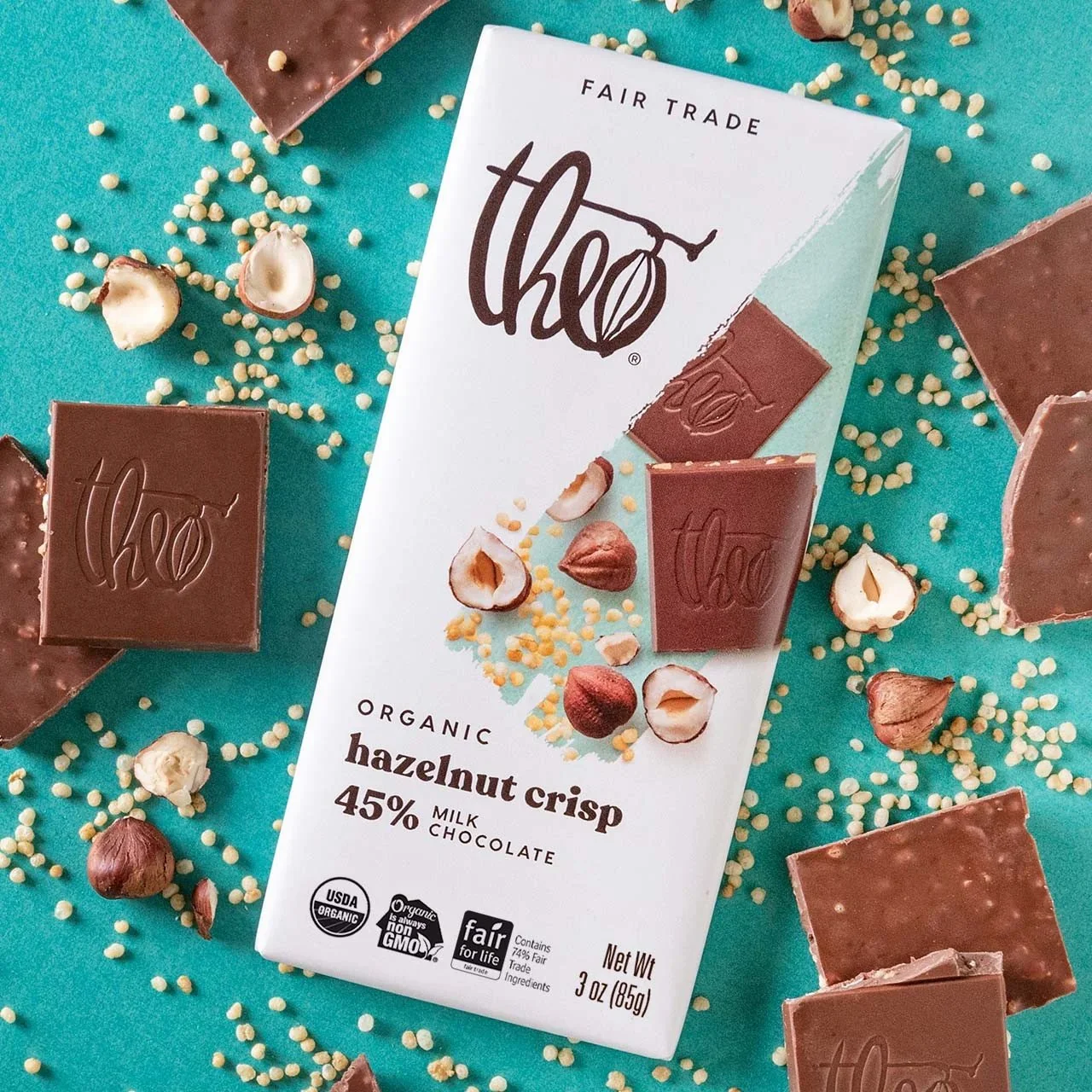
If you find yourself in a chocolate-shopping situation where you can’t call up this list, something easy to remember is that if the brand starts with T and has four letters, the odds are good. Enter Theo, another chocolate brand that meets the standards outlined by Slave Free Chocolate. Theo elects to submit to rigorous third-party verification to ensure that they are upholding the values they proclaim, with the overall goal of creating a positive impact through chocolate. The brand also publishes an annual impact report, which reiterates their mission and values, spotlights local growers, and illuminates the amounts paid per metric ton of chocolate. Theo produces milk chocolate as well as dark chocolate bars in three different dark chocolate levels: 55%, 70%, and 85%, with flavored versions and inclusions at every darkness level. Theo’s aptly-named “chocolate finder” reveals that the brand can be found across the country, including Rite Aid, Plum Market, and Ralphs stores.
Tony’s Chocolonely
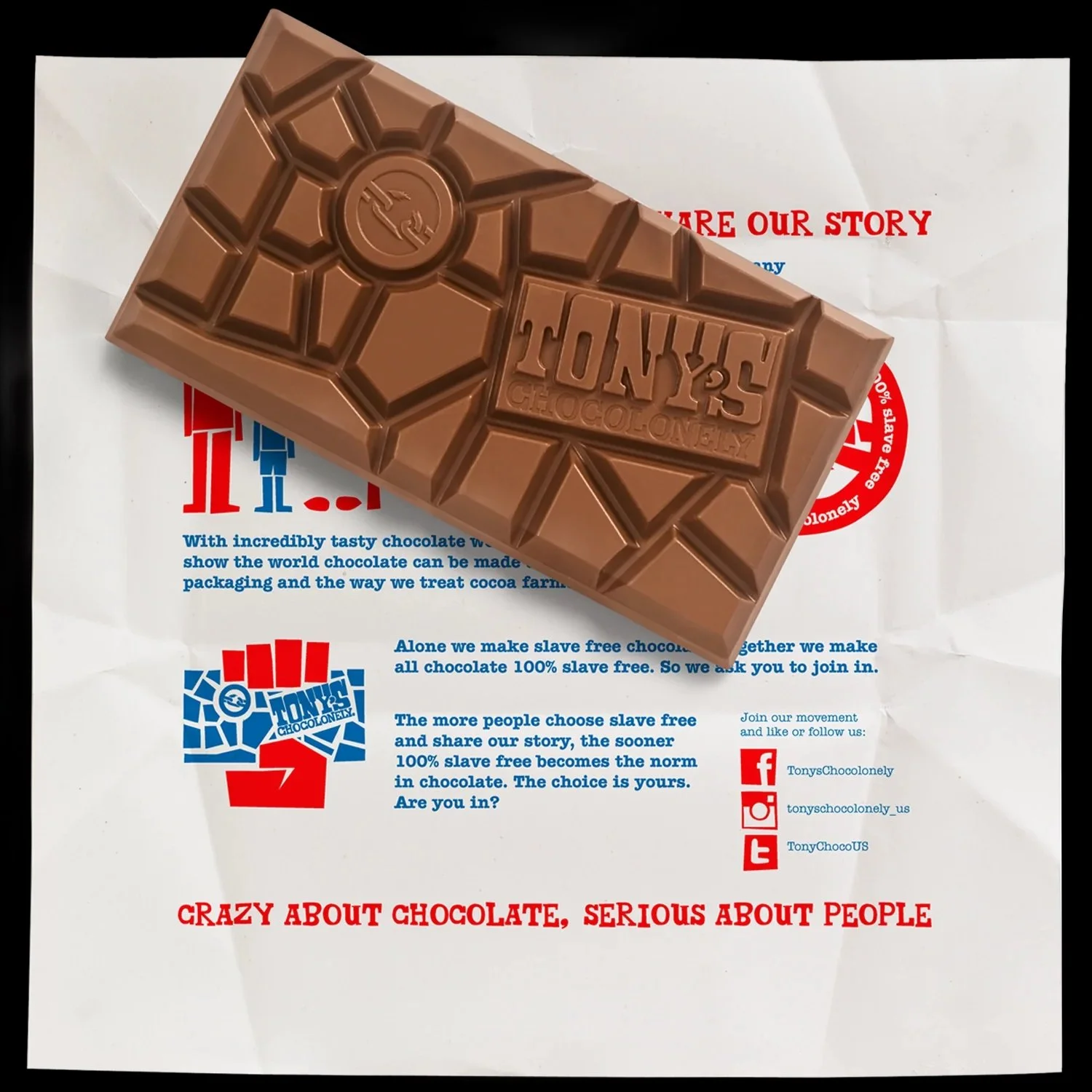
Born of a TV stunt where a Dutch journalist reported himself to the police for eating chocolate that was knowingly complicit in forced child labor, Tony’s Chocolonely bars came into being to offer consumers something that offered a transparent alternative to what was most easily available. Instantly recognizable by its bold, cartoon-graphic font, Tony’s Chocolonely grew from a single-run stunt to a mega-brand unto itself, but continues to uphold its initial promise for traceable chocolate, according to five stated sourcing principles rooted in responsible economic, labor, and environmental factors. Because of an association with Callebaut, the brand is no longer on the Slave Free Chocolate list because of complicity, but still has an above-the-line score with The Good Shopping Guide and Ethical Consumer — something to keep in mind when you consider where you’ll draw your own personal ethical line. Tony’s offers two dozen different chocolate products in various sizes, flavors, and formats, and is widely available in stores around the world.
Hu Chocolate
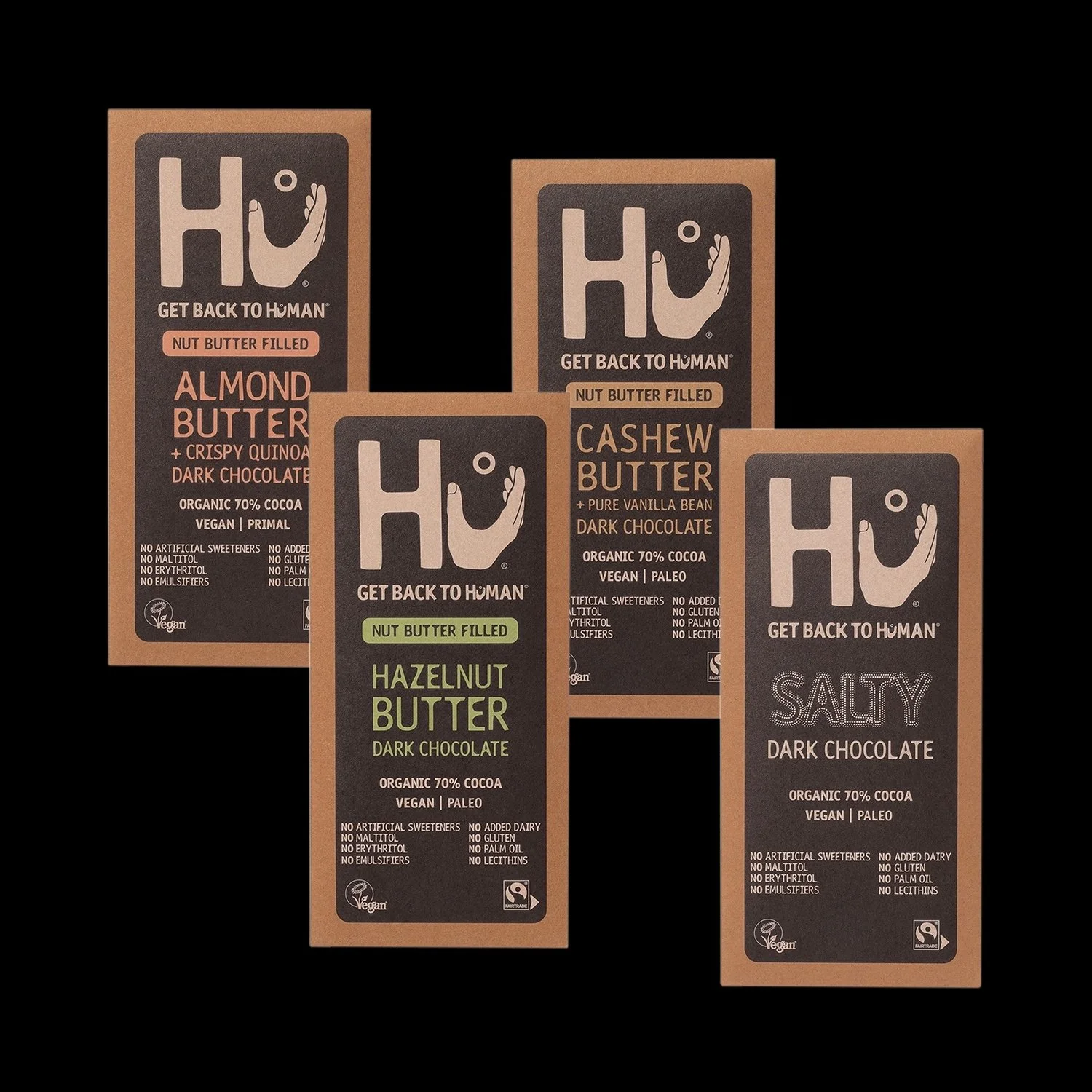
Like Tony’s Chocolonely, Hu also raises an important question: whether an ethical brand owned by an unethical conglomerate is to be avoided or not. In the complicated chocolate landscape, there are brands whose parent companies score poorly from an ethics standpoint but who maintain the same ethical standards and core values from before they were acquired. (Noting that this is a recognizable conundrum, Ethical Consumer has previously highlighted ethical brands across numerous categories that are owned by unethical companies.) It’s a difficult trade-off, since conglomerate ownership often means that consumers have greater access to brands that are actively trying to do good. Hu gets an honorable mention, then, as the brand’s “No Weird Ingredients” ethos, alongside Fairtrade and Organic certifications and otherwise ethical practices predate its ownership by Mondelez and have continued without disruption. One of the most widely-distributed brands, Hu and its signature butcher paper wrappers can be found not only all across the country, but around the world.