
Why Chocolate Fans Will Love Perugia
Perugia
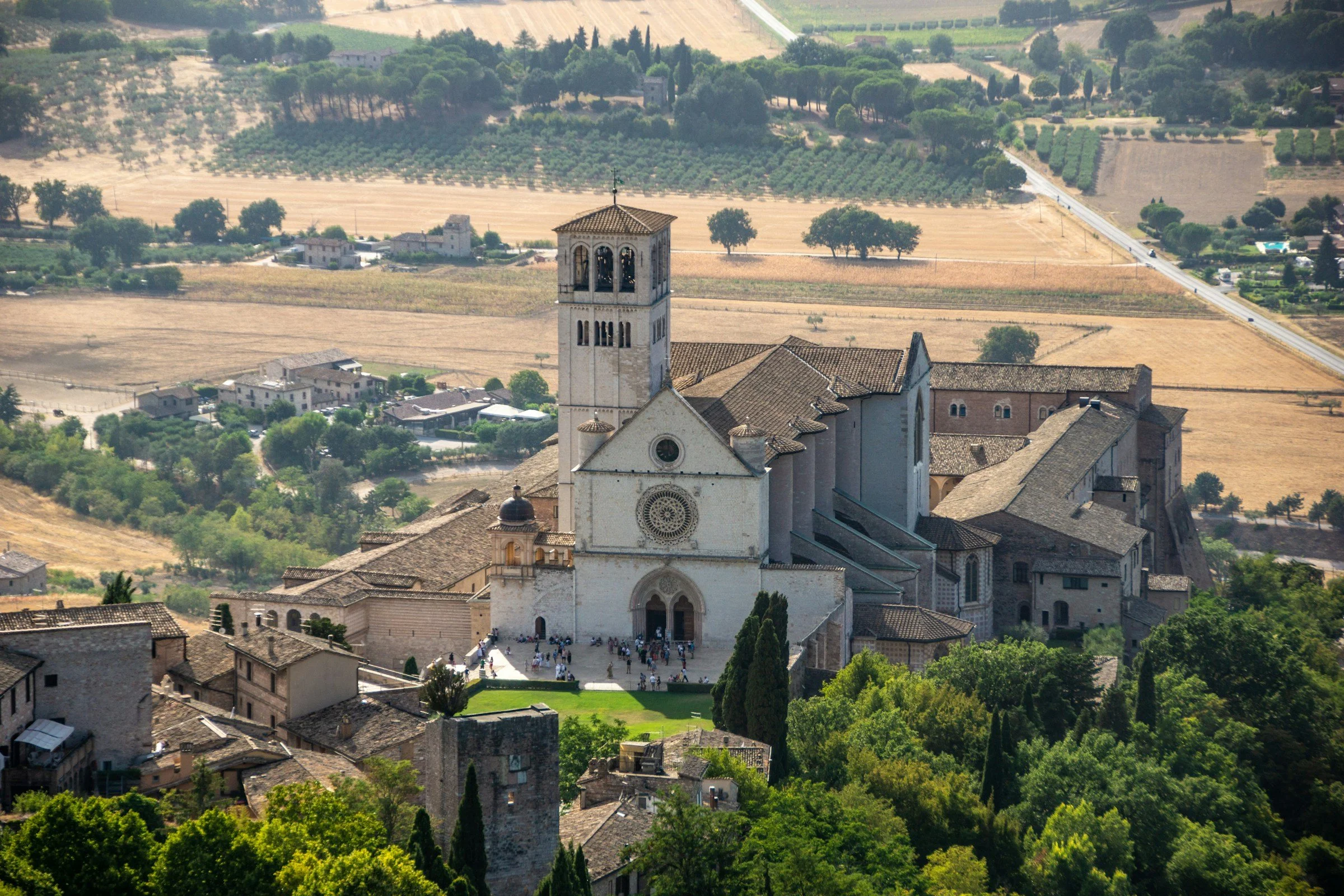
Set in the heart of the region, Umbria’s main city is a valued art destination. Tracing its origins to the Etruscan period and later the Roman era, Perugia still bears beautiful testimony to its flourishing Medieval and Renaissance periods, with numerous ancient palaces, rich museums, and architectural wonders such as the stunning Fontana Maggiore, a masterpiece of the 13th century.
Eurochocolate
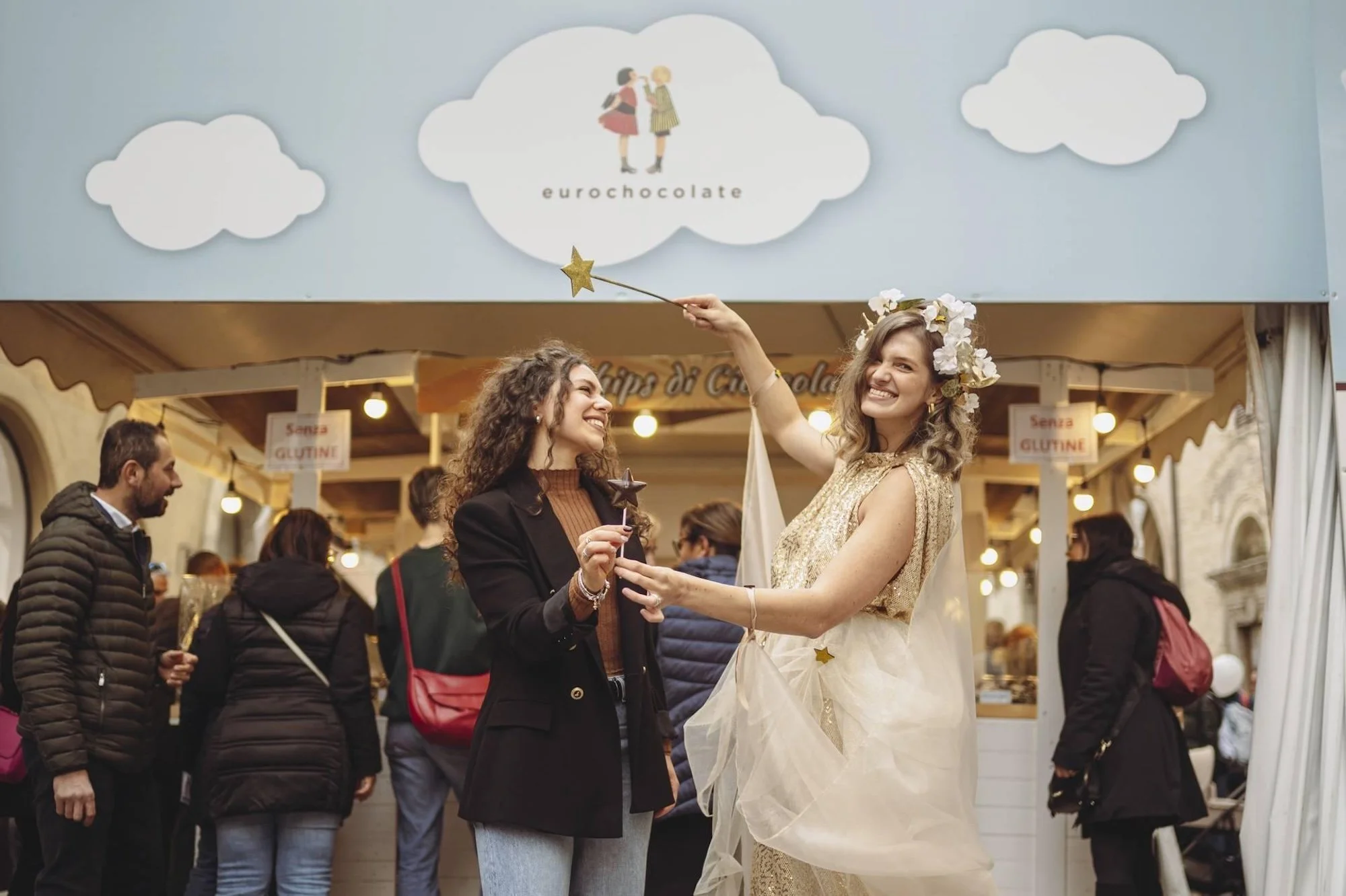
Yet, even though its walled historic center can seem stuck in a timeless atmosphere, Perugia is also a lively, cosmopolitan, and contemporary place. A renowned international university city, thanks in part to the University for Foreigners of Perugia, it boasts a rich food scene. It also hosts a few major cultural and artistic events, such as the acclaimed Umbria Jazz summer music festival and the always-packed Eurochocolate, in fall: a true chocolate bonanza. Since 1994, the International Chocolate Exhibition has attracted a huge number of visitors from Italy and abroad. Indeed, the city's more recent history, and part of its charm, is also deeply rooted in chocolate.
Perugina: a bittersweet story
Baci chocolate
In 1901, local entrepreneurs Luisa and Annibale Spagnoli took over the historic Confetteria Corelli at Via Alessi 23. A few years later, in 1907, it became Perugina's first production facility, the famous Italian chocolate brand founded by the Spagnolis alongside partners Francesco Andreani, Leone Ascoli, and Francesco Buitoni. The company subsequently expanded largely thanks to the entrepreneurial acumen of Luisa Spagnoli, who also became renowned for the clothing brand and retail chain still managed by the family, and Giovanni Buitoni, Francesco’s son, who would eventually lead the International Buitoni Organization, famous for its pasta and biscuit production.
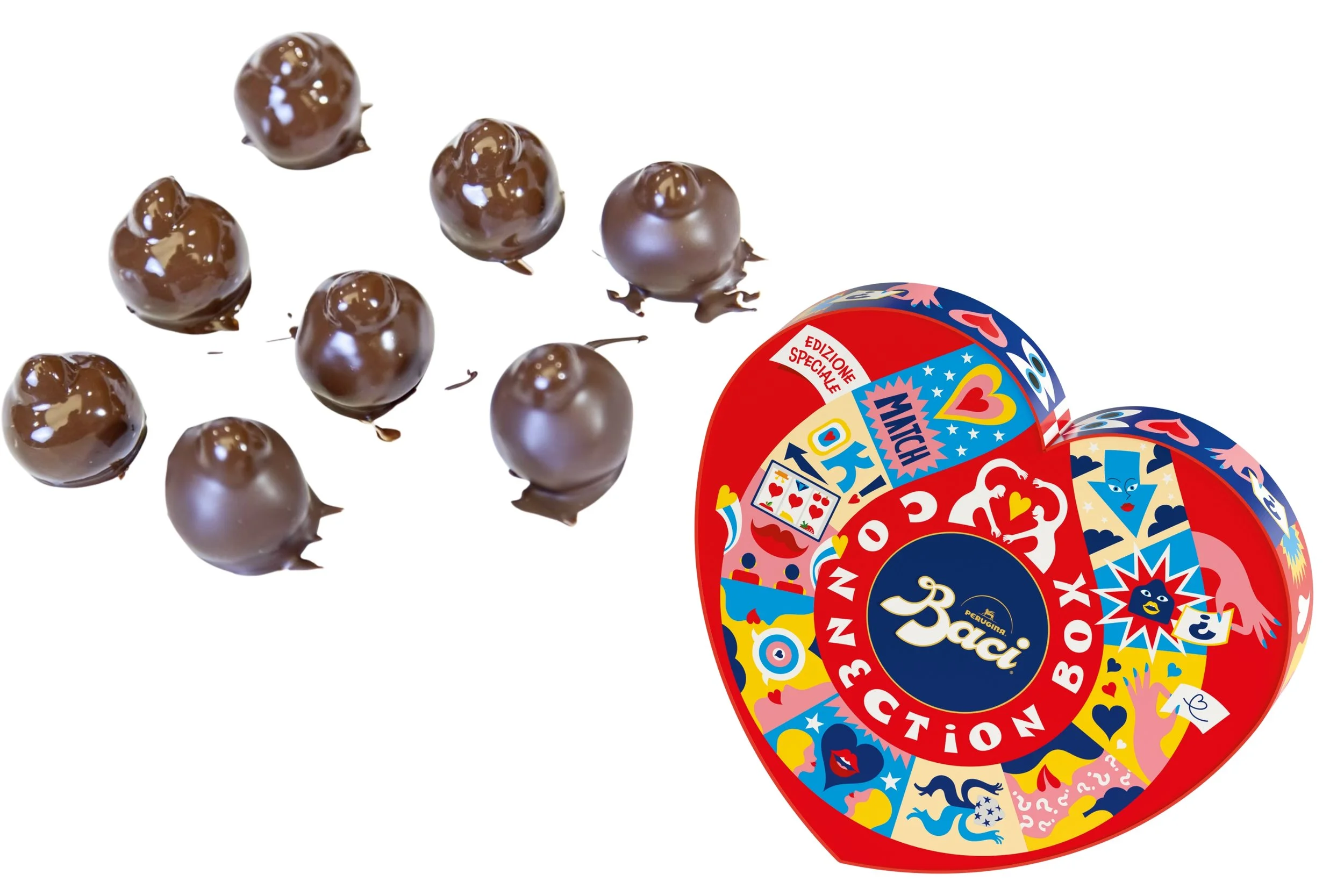
Their love story was never fully formalized because of the age gap and Spagnoli’s marriage. Still, their bond was undeniable and fruitful: for instance, Luisa "invented" the famous irregularly round chocolate filled with gianduja and a whole hazelnut, and coated in dark chocolate, while Giovanni came up with the idea of giving it a romantic name: Baci, the Italian word for kiss, far more appealing than the original “Cazzotto” (“punch”), which soon became a symbol of Valentine’s Day, spreading joy and short love notes. In 2026, for the first time, Baci turned into a question game designed to spark conversation and connection in the Valentine special edition of the Connection Box.
Casa del Cioccolato
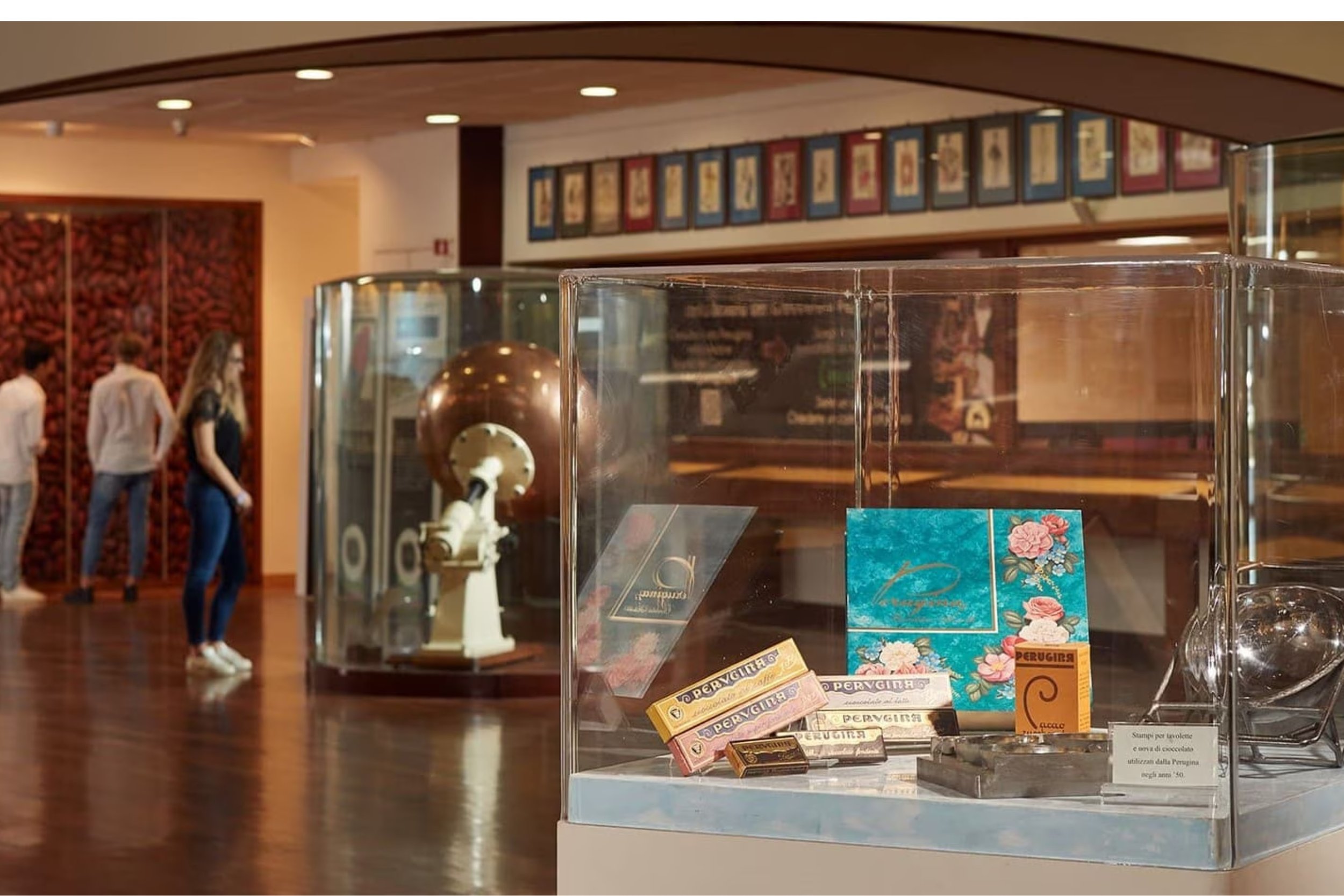
Part of the Swiss multinational Nestlé since 1988, Perugina still runs its factory on the outskirts of Perugia. There, it also operates a chocolate-making school, a museum, and a shop: the Casa del Cioccolato Perugina® where visitors can discover the “Food of the Gods” and the company’s story while learning and tasting.
La Città del Cioccolato: a full immersion into the world of Theobroma cacao
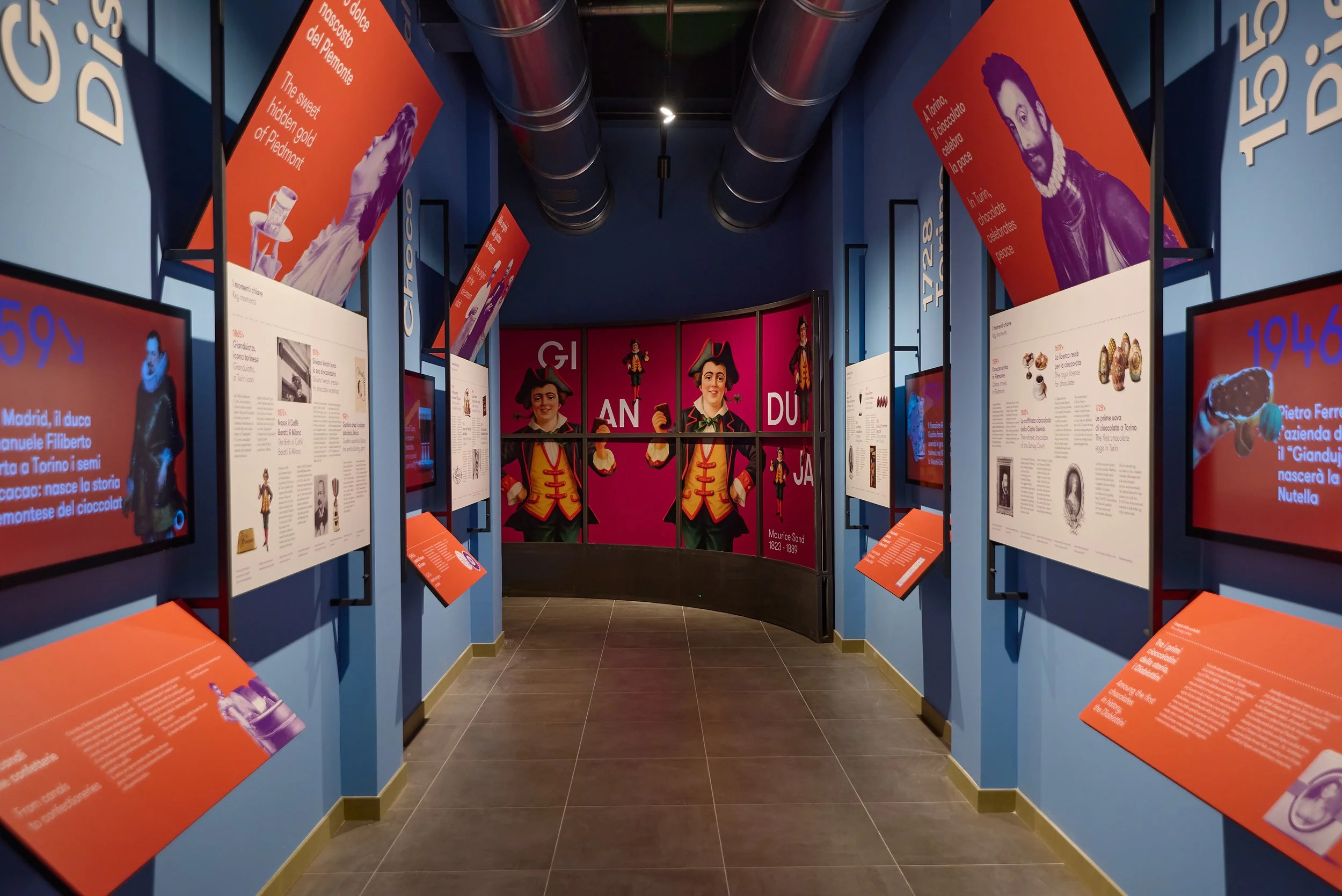
Città del Cioccolato
Since November 2025, there has been an important addition to Perugia's chocolate scene: the beguiling Città del Cioccolato, an immersive structure that has transformed the spaces of the city’s covered market into a tribute to Theobroma cacao and its products. Closed for a long time, the building was partially renovated in 2016 and, in 2024, was entrusted to a purpose-built company to become a cocoa-themed temple, also achieved thanks to a public crowdfunding campaign. Eugenio Guarducci, the creator and president of Eurochocolate, is credited with the initial vision of the project, and he’s the artistic director of the new exhibition center.
The City of Chocolate boasts an experiential museum dedicated to cocoa and chocolate that stands as the world’s largest themed attraction of its kind. Spanning approximately 30,000 square feet, the exhibition path encapsulates, through an educational, sensory, and entertaining approach, the geography and history of cocoa while also exploring health, ethics, biodiversity, and supply-chain sustainability, drawing on data from the International Cocoa Organization (ICCO).
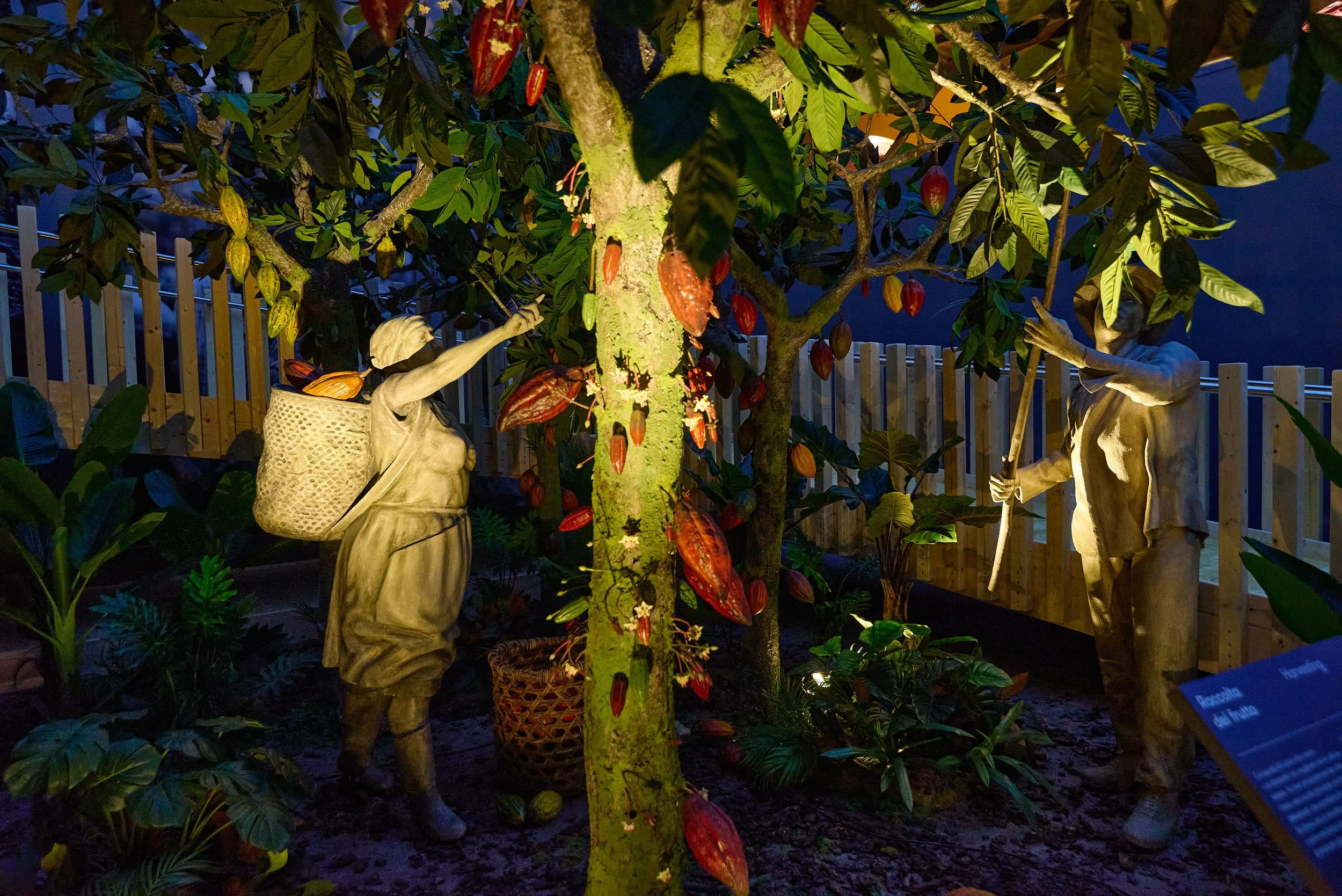
Città del Cioccolato display
The contemporary design features screens and LED floors with themed animation and digital interactions, photography exhibits and art installations, a fun slide for both adults and children, and reconstructions of the environments where cocoa originates, complete with life-size statues and plants. It also includes a notable array of memorabilia and vintage items, as well as hundreds of chocolate bar wrappers gathered by Stanislav Kramsky, the world’s foremost collector in this field. There is a dedicated space for the history of chocolate in Italy, focusing on key production hubs: the Gianduja District (Piedmont and Turin), the Tuscan Chocolate Valley, the "Southern Chocolate Hub" (Modica), and, of course, the Perugia District. Activities include botanical workshops and the creation of a personalized chocolate bar.
The Città del Cioccolato is also home to the laboratory of the Cocoa of Excellence program, supported by the Alliance of Biodiversity International and CIAT and by the Ministry of Foreign Affairs and International Cooperation. Here, the COEX international staff conducts its analysis and research activities, including selecting the world’s 50 best cocoa samples every two years from hundreds of finalists. Nearby, at the LAB-Luisa Annibale Base, the very place where Luisa and Annibale Spagnoli originally set up their first producing facility has been brought back to life to host the “chocolate experience hub” led by the expert Roberto Caraceni, with a daily calendar of tastings and classes, including a complete course to become a certified chocolate taster.
At the end of the visit, or whenever one feels like it, the Choco Shop displays a vast array of chocolate bars from small producers across the globe – featuring 150 companies, including 47 from 15 European countries and 21 from 19 non-European nations – as well as the products crafted in the inside laboratory and labeled with the “Costruttori di Dolcezze” brand by Eurochocolate.
The Chocohotel
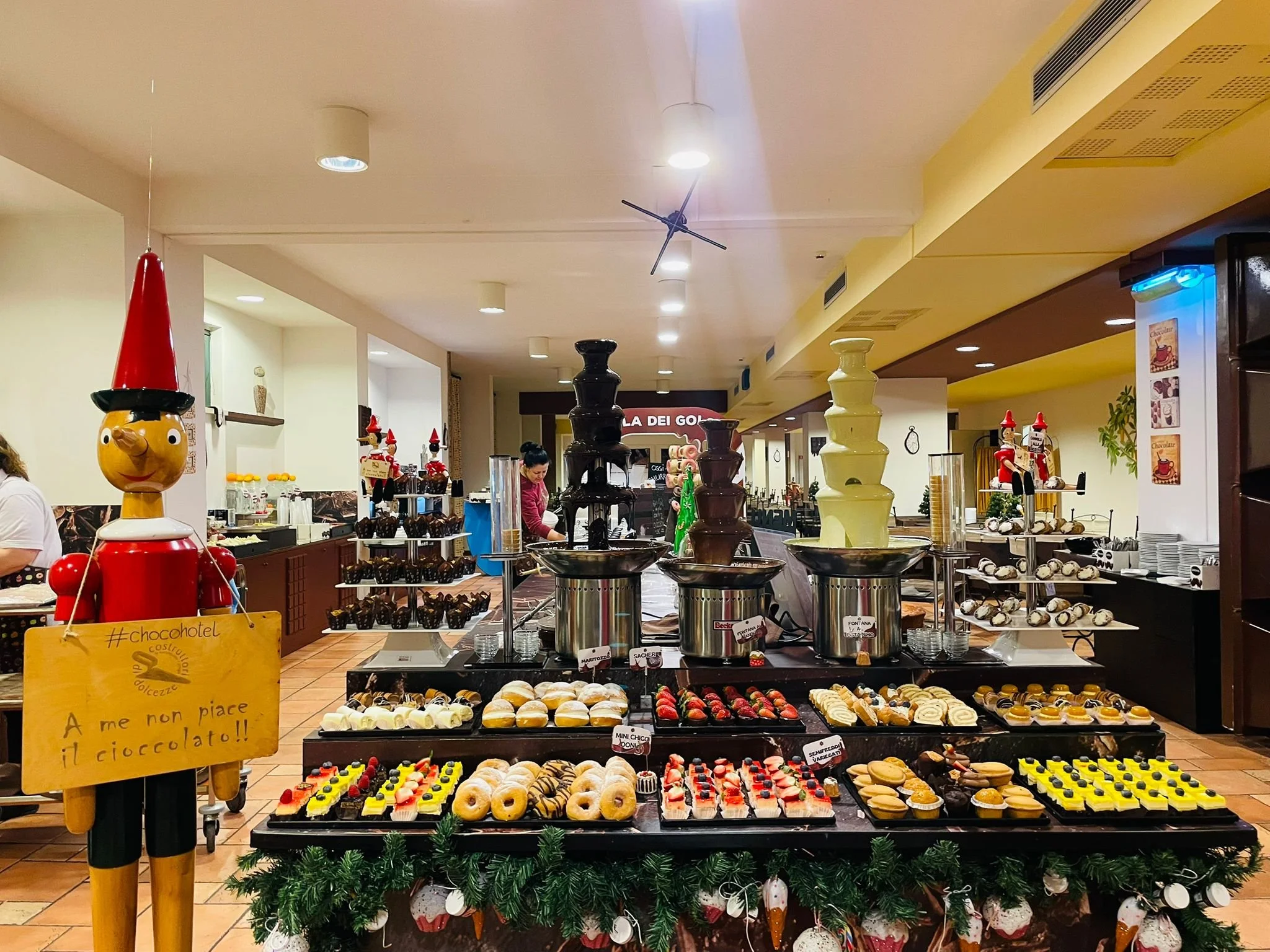
Choco Breakfast at ChocoHotel
For those who don’t want to miss a – choco – thing in Perugia, there’s even the chance to sleep in a cocoa-themed hotel: the 3-star Chocohotel owned by the same Eugenio Guarducci, is quite an affordable facility, with a pop and unpretentious mood and basic, slightly outdated lobby and rooms (divided into three floors: milk, gianduja and dark chocolate). Yet it does have a rooftop pool and roof garden available during the summer, and the highlight of the stay is the colorful Choco Breakfast, with a rich, sweet, and savory buffet full of everything one can imagine, including various chocolate fountains and giant jars of Nutella and other spreads. (External guests can book the breakfast at 18/20 euros per person).
Augusta Perusia
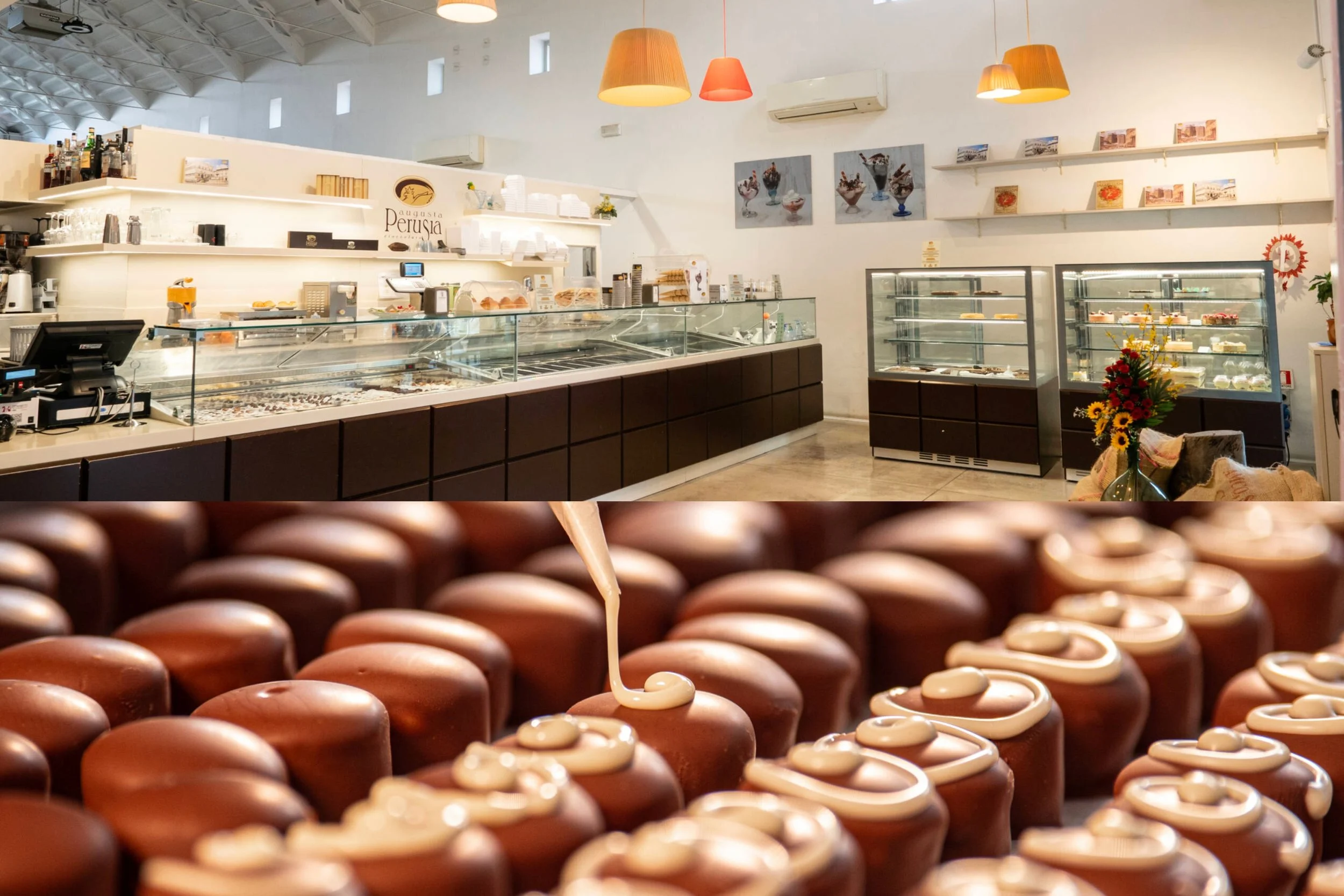
Augusta Perusia
And, while La Città del Cioccolato also hosts on its panoramic terrace the Chocolate Bar, serving cocoa-fueled cakes and drinks, Augusta Perusia has three branches, including a very central one in Corso Vannucci and the chocolate and ice-cream shop in via Pinturicchio, close to the Etruscan arch. The wide open-view lab and café in via Piccolpasso, in the city’s outskirts, is where Giacomo Mangano and his wife Rita Lupo have been producing delicious pralines, bars and gelato since 1999, earning themselves a vaunted place in Perugia’s chocolate legacy.