
Why a Michelin-Star Chef Makes Chocolate from Scratch
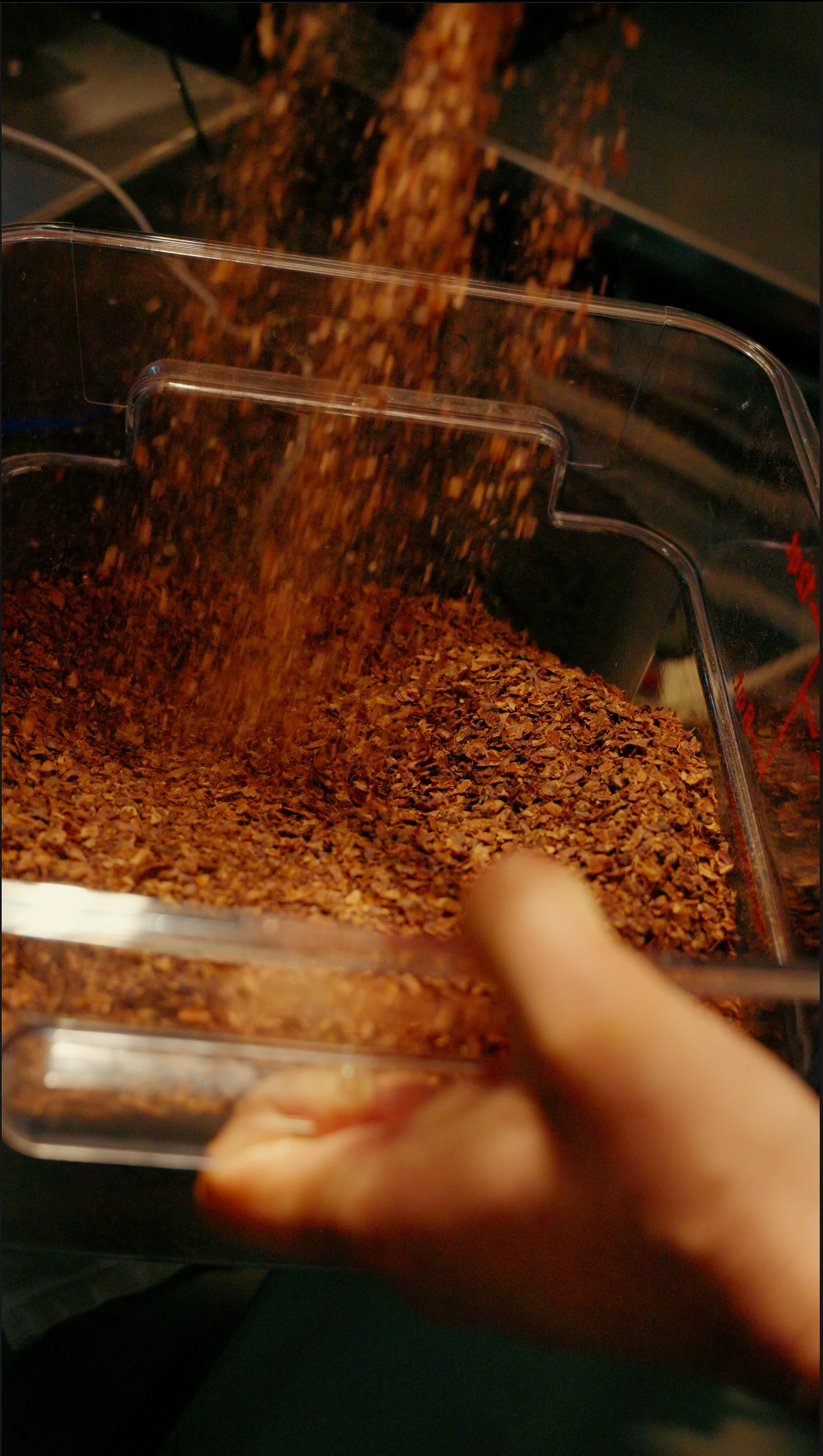
Cacao nibs in Caruso's kitchen
Most Michelin-starred restaurants work with premium chocolate manufacturers like Valrhona for chocolate desserts and confections, but in Santa Barbara, one ambitious chef is aiming higher. As if running a fine dining restaurant at Rosewood Miramar Beach that's open seven nights a week and serves both a chef's tasting menu and four-course prix fixe was not enough work, executive chef Massimo Falsini recently launched a bean-to-bar chocolate program that has received immediate acclaim from diners.
“I've always been a chocolate lover,” says Michelin-starred chef Massimo Falsini from Caruso's in Santa Barbara. “And I wanted to close the loop on sourcing cacao.” Admittedly, Hawaii to California is not exactly local, but by working with small farms that he's personally visited, Falsini can ensure that the cacao is farmed and harvested in an ethical and sustainable manner. Prior to moving to Santa Barbara, Falsini was the executive chef at the Four Seasons Hualalai on the Big Island of Hawaii and says the islands will always hold a special place in his heart.
Launching a chocolate program with world-class Hawaiian cacao is his way of paying homage to his second home in a manner that aligns with the restaurant's sustainable ethos. Working with a domestic supply chain also ensures quality and freshness.
Making Chocolate in a Restaurant
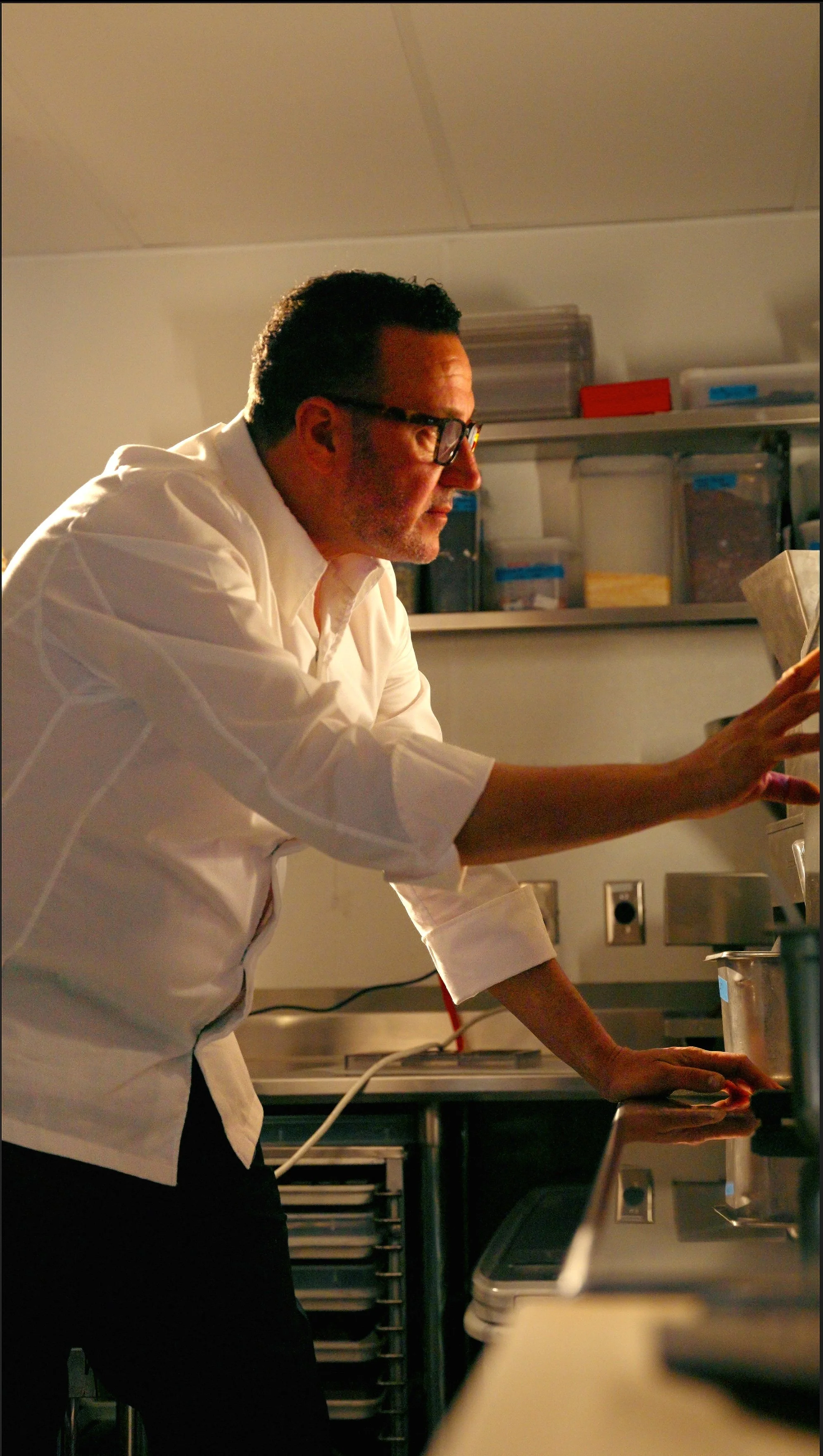
Pastry chef Vincent Donatelli making chocolate
Pastry chef Vincent Donatelli had never made bean-to-bar chocolate before Falsini purchased $17,000 worth of equipment – a roaster, melanger, winnower – and tasked him with creating a chocolate program with cacao beans imported from three small farms in Hawaii. The melanger they have can process 2.5 kilograms of chocolate per batch, and Donatelli and his team keep it running all the time, with a minimum of a day and a half per batch to get a super smooth consistency. Donatelli estimates that he processes 10 kilos of chocolate a week.
Donatelli says that it was a steep learning curve, but once he dialed in the roasting, which took a few tries, it was smooth sailing. He roasts the cacao beans at 250 F for 37 minutes to coax out the different nuances in flavor between all three origins they work with – 21 Degrees Estate on Oahu and two farms on the Big Island, Lavaloha Chocolate Farms in Hilo and Mauna Kea Cacao in Pepeeko.
“We wanted to highlight the natural flavor of the cacao, especially from this area,” Donatelli says. Hawaiian cacao has tropical fruit notes of passion fruit, papaya, bananas, mango and pineapple, all of which grow abundantly in the region and Donatelli hopes to highlight those flavors on the lingering finish. “If the sugar content is too high you're going to drown a lot of that out,” he says. “The chocolates are intense but it was done in a mindful and purposeful manner.”
Chocolate Desserts
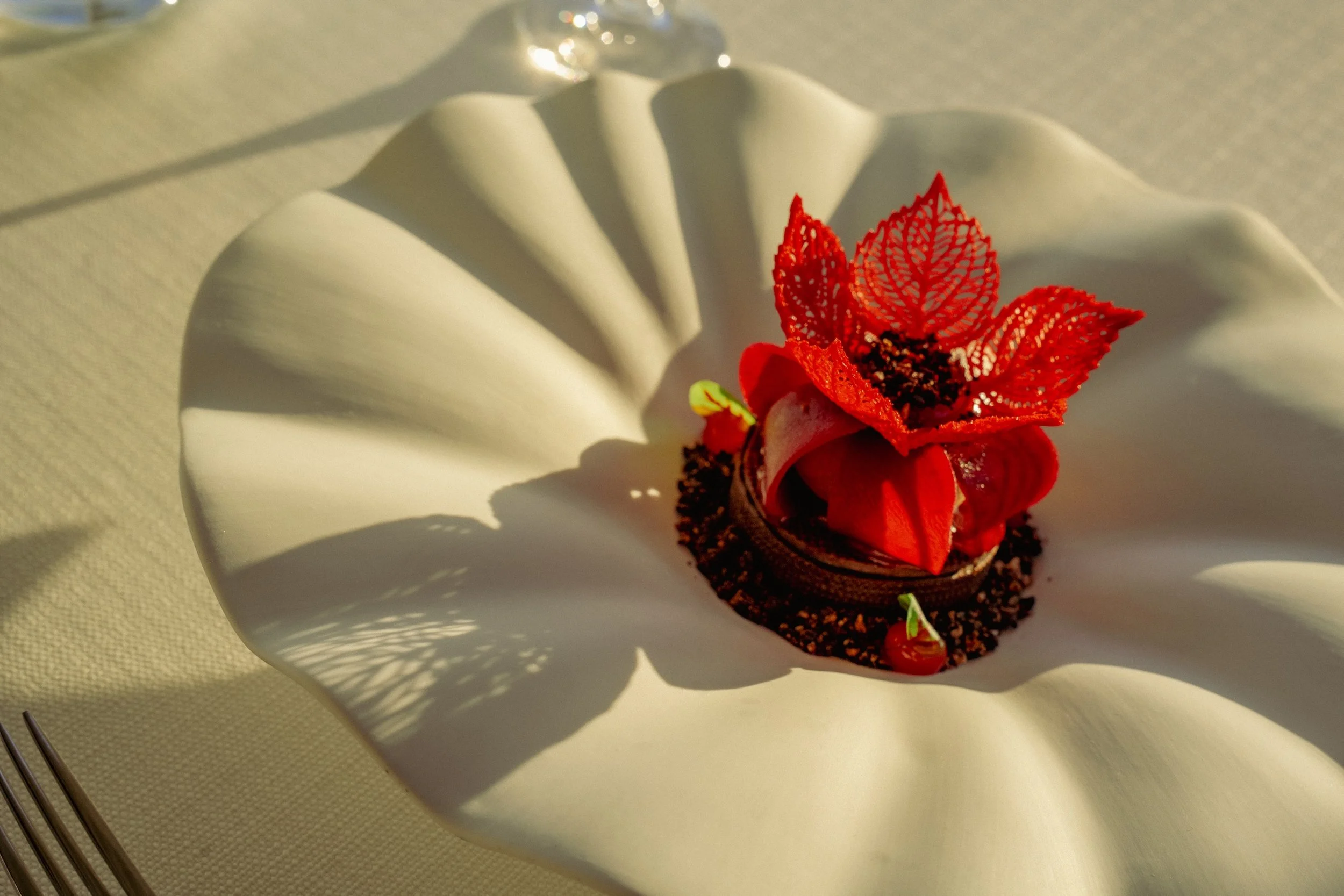
Chocolate dessert at Caruso's
Guests can choose a chocolate tasting with four different napolitains in addition to or instead of dessert, served with a glass of 1994 Verdelho Madeira and cacao husk tea. Originally, the chocolate was paired with whiskey, but Falsini and team decided that Madeira, also made on a volcanic island like Hawaiian cacao, was a better complement.
“It's a good alternative for those who are too full or don't want to have a full dessert,” Donatelli says. All of the single-origin chocolates are 78% dark chocolate and an 80% blend of all three is served as the fourth napolitain. Guests who opt for the tasting menu are also sent home with a chocolate bar featuring Caruso's blend Hawaiian dark chocolate.
Chocolate Beyond Dessert
Hawaiian cacao is finding its way onto the savory menu too, with Mauna Kea cacao shaved over Santa Barbara abalone and barley risotto. “Its natural 'chocolate-y' character adds depth while gently balancing the sweetness of the squash,” Falsini says. He points out that chocolate was used in 19th century kitchens in the Kingdom of the Two Sicilies.
“Traces of this legacy still live in Roman cuisine today,” he says. “In dishes such as coda alla vaccinara (a traditional oxtail stew), cacao is used not as sweetness, but as structure, to deepen flavor, temper acidity, and bring harmony to complex tomato-based sauces.”
The chocolate program is just beginning, with plans to purchase a couple additional melangers so they can make more flavors. “You will be seeing more savory expressions featuring Hawaiian cacao, not as novelty, but as heritage reborn,” Falsini promises.