
Not All Cacao Should Be Fermented

Fermentation facility at Maya Mountain Cacao in Belize photo courtesy Uncommon Cacao
In the craft chocolate world, we constantly hear about cacao bean fermentation. Fill boxes or baskets and cover them with banana leaves, then cut the beans periodically to know when to stop. It’s an essential process in the post-harvest work done at or near the farm. Producers often spend years perfecting their fermentation practices, and with good reason. It helps develop flavor precursors. There’s even a lot of creative and interesting work on the subject.
But what if I told you that millions of cacao enthusiasts in places like southern Mexico and Guatemala still prefer their beans unfermented, or perhaps only slightly so—just like countless generations before them?
Cacao Lavado
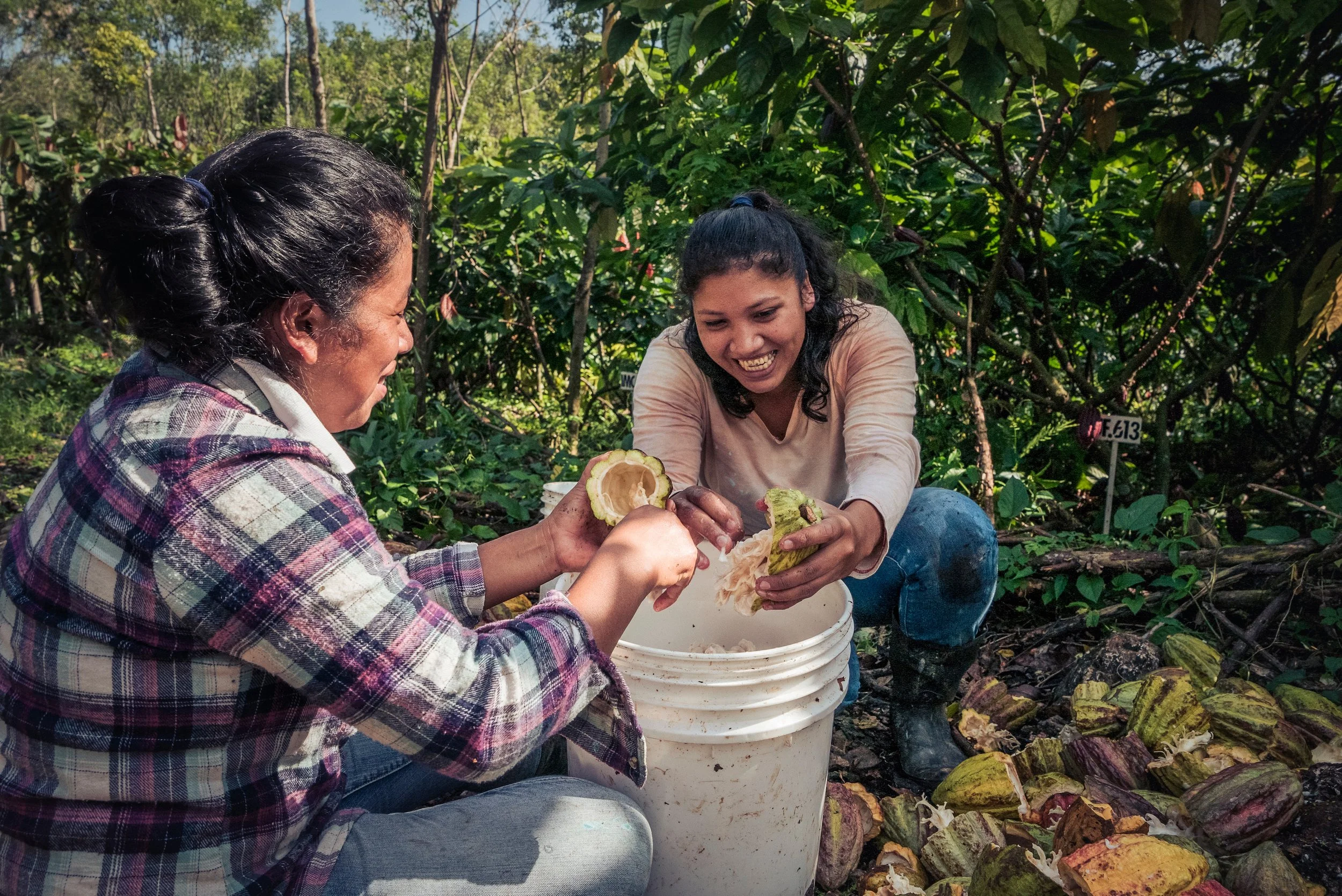
Filiberta García Galicia, Nolvia Pricila Ramírez from Finca Kampura
Unfermented cacao (or “cacao lavado” in Spanish, and as used going forward) is produced by using water to remove the bean’s mucilage, or pulp, before drying beneath the sun. Under cloudy conditions, especially but also in general, a small amount of fermentation can occur during the extraction and drying process. Lavado means “washed” in English, hence the term. In contrast, fermented cacao is made by keeping the beans with their pulp from the field to the fermentary.

Cacao beans undergoing fermentation are turned meticulously. Photo credit Nicholas Silverman
You then pile it all into heaps or wooden boxes to allow bacteria and time to work their magic. Fermentation lasts 5–7 days, though this is subject to many factors like environment, cacao genetics, and taste preferences. Hand-turning the piles of beans and mucilage at the right moments is an art as much as it is a science. These cacao beans are also sun-dried.
Is Unfermented Cacao "better"?
Is there a clear conclusion as to which is healthier—or better? Like most things in life, the answer is complicated. As Friedrich Nietzsche put it, “All life is a dispute about taste and tasting.” Fermented and unfermented cacao may be one more example. Let’s look at how tradition, nutrition, and taste reveal its nuances. And if you’re angling for an outright winner, I apologize in advance for the disappointment.
One thing is clear: cacao lavado is likely the oldest form known to humans. According to Alejandro Zamorano Escriche of Revival Cacao:
“The first written evidence of cacao post-harvest by the Spaniards (around 500 years ago) does not mention fermentation. They state that cacao ‘was extracted from the pods and cured under the sun.’”
This description is consistent with modern methods of producing cacao lavado. Fermentation may have come later, and its history is still being studied. We do know that the ancient Maya fermented maize, or corn, so it’s logical that they might also have experimented with cacao.
Zamorano also notes that “at some point cacao began to be fermented in parallel with its expansion across the Americas and beyond, probably because other, more bitter varieties were introduced that did require fermentation.”
Bean-to-bar chocolate producers in places like the United States and Europe will tell you that fermented cacao tastes better, at least when ending up as a bar. It has lower acidity and astringency, stronger chocolate notes, and more complex, nuanced flavor profiles. To these craft chocolate producers, fermented cacao is the only option.
But for many makers in Mesoamerica, the preference for cacao lavado is not only about flavor, but about continuity with inherited knowledge.
Cacao with Heritage
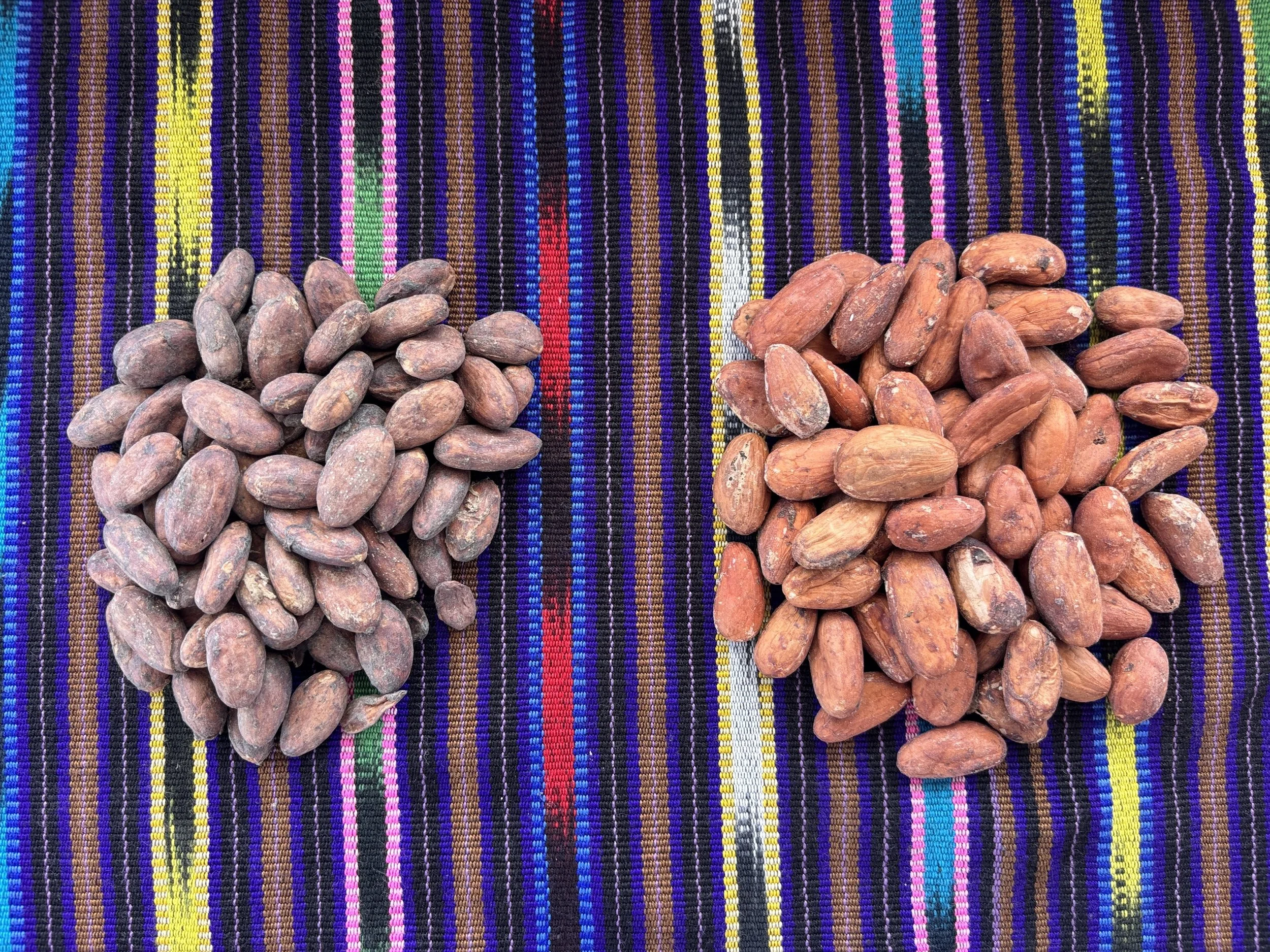
Fully fermented cacao, left. Lavado, right.
Given cacao’s deep roots as a spiritually significant, even sacred plant, it so happens that many people in Mesoamerica today feel this way.
Having worked and lived with Tz’utujil (Mayan) chocolate makers and consumers in Guatemala for over a decade, I can confirm that cacao lavado is the standard in these communities as well. In conversations with several people while preparing this piece, many emphasized tradition and respect for ancestral practices. But flavor and aroma also played a key role. They prefer cacao lavado's taste.
What About Taste?
“That elevated astringency and bitterness, that often-felt coffee aftertaste, is what makes cacao taste like cacao,” Melanie Hernandez of Diego’s Chocolate told me. When such flavors are reduced through fermentation, she said, “the resulting bean feels weak, flat.”
While taste may be subjective, science is less so. There has been a fair amount of technical work examining fermentation’s effects on the nutritional profile of cacao, and the takeaway is clear. Fermentation tends to diminish many beneficial compounds. So cacao lavado is a bit healthier, right? Yes, and no.
When Theobroma cacao seeds are in their fully ripe pods, they are rich in bioactive compounds: essential minerals, polyphenols, and flavonoids such as catechin and epicatechin. Cacao is often associated with reduced markers of aging, high antioxidants, improved cardiovascular health, and this is why. When beans are fully fermented in their mucilage, as we’ve learned, they do lose a measurable amount of these compounds; especially epicatechin and procyanidins.
One important note: most studies on the health benefits of dark chocolate are based on fermented cacao. In other words, fermentation does not eliminate cacao’s benefits.
So cacao lavado contains more of these beneficial compounds on paper, but there’s a twist. More does not always mean more usable.
Bioavailability—the extent to which nutrients are absorbed and utilized in the body—complicates the picture. Proper fermentation may actually improve the body’s ability to absorb antioxidants and essential minerals such as calcium, magnesium, and iron. It has also been shown to reduce certain heavy metals, including nickel and lead.
Vive la différence!
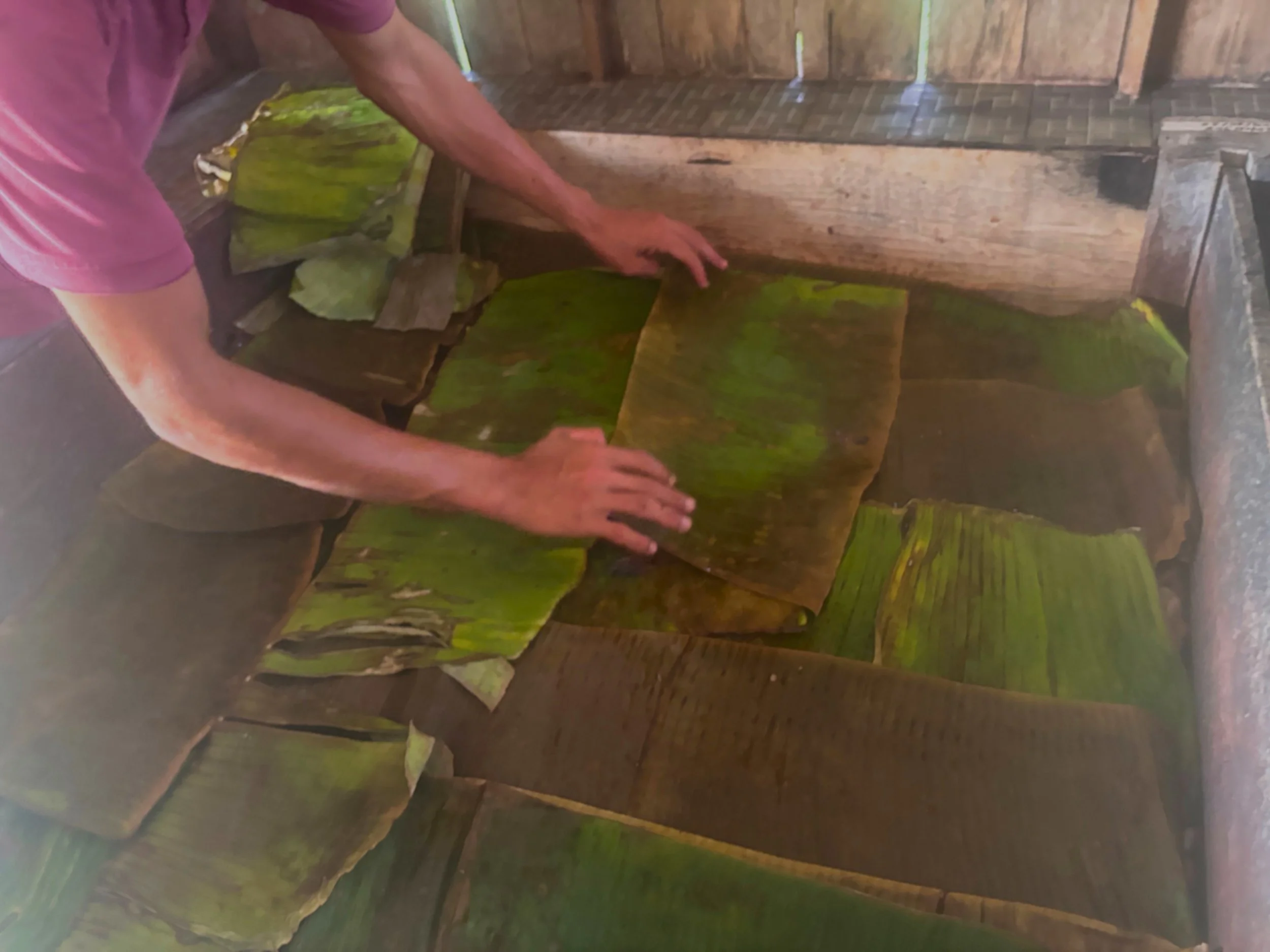
Banana leaves cover a fermentation box at Kampura. Photo credit N. Silverman
When we look strictly at raw compound levels, lavado cacao appears to have the advantage. But once bioavailability enters the equation, the answer becomes far less clear. More research is needed. Studies on cacao are often narrow, and real-world health outcomes are difficult to generalize.
It is easier to generalize around taste patterns. Consumers in North America, Europe, and Australia typically prefer fermented cacao’s flavor profile. In Mexico, Central America, and parts of South America, many still favor cacao that has been washed before drying, skipping full fermentation. These preferences are shaped by generations of tradition, taste, and preparation methods.
It’s important to recognize that fermentation is valuable—but not universally “correct.” It certainly has its fans across Latin America as well.
If you’re reading this in the Global North, it may be challenging to find chocolate or drinking cacao made with lavado beans—but it does exist. Producers like Cuna de Piedra, Revival Cacao, and Chocolate Don Marín offer products made in this style.
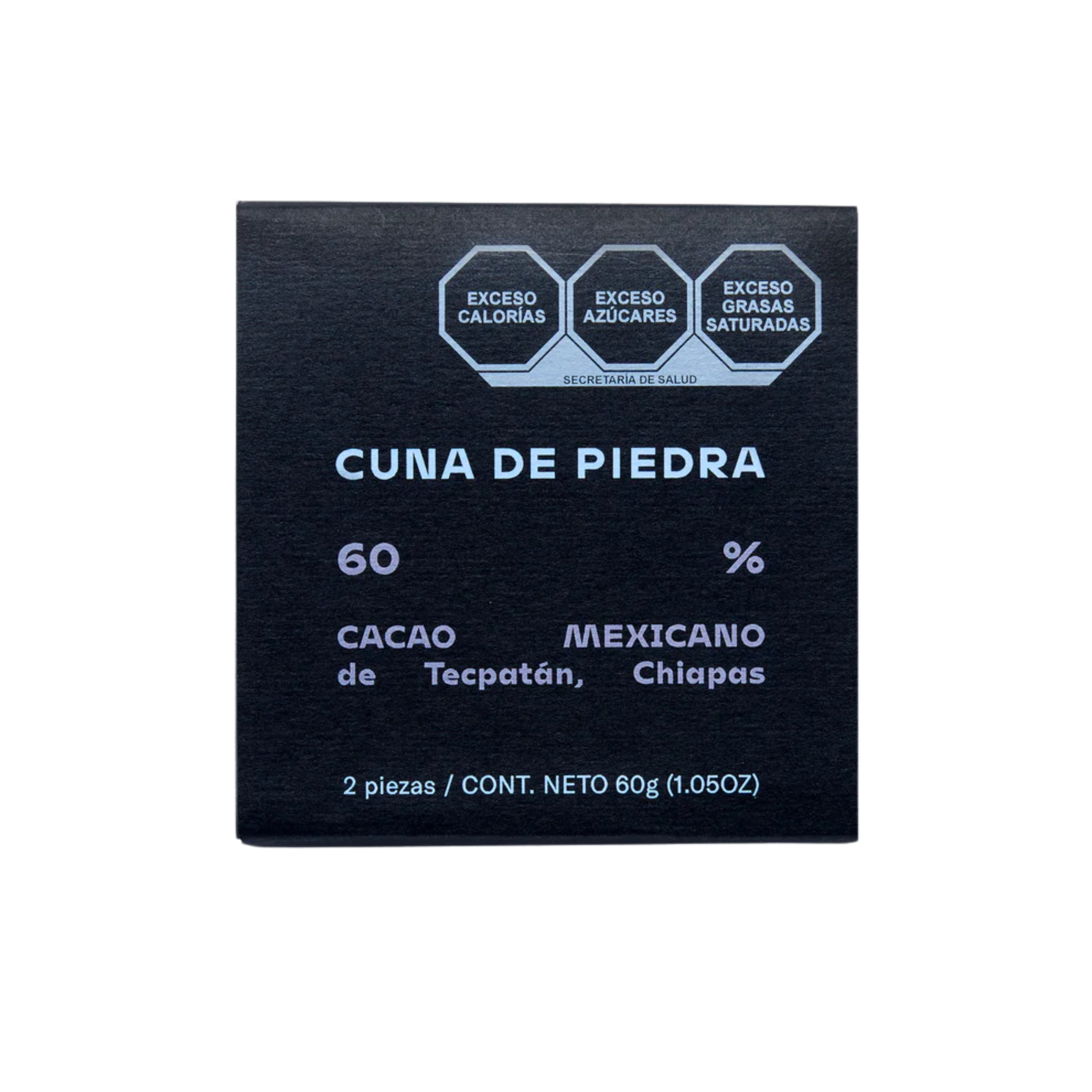
Cuna de Piedra Lavado Photo credit Cuna de Piedra Chocolate
Whether you prefer your cacao fermented or not, there is one thing that binds us: a sense of warmth, nostalgia, and community we get from cacao and chocolate. And like any community, there is a diversity of voices and preferences. There’s no one, single way.
Just as there is no clear winner in the question of whether cacao should be fermented. It depends on how you define the goal. If you prioritize flavor complexity, bioavailability, consistency, digestibility and the expectations of the modern chocolate market, fermentation makes sense. But if your priorities include ancestral continuity, minimal processing, and a preference for more direct, bitter, and astringent flavor profiles, cacao lavado may be the better fit.
For my part, I still love a well-crafted chocolate bar more than anything. Fermented cacao is my go-to for that. But I’ve also had remarkable cacao beverages made with lavado beans in Guatemala. These were flavors that feel deeply rooted in place; ones that I look forward to revisiting.
More than anything, my experience with cacao fermentation has taught me to keep an open mind. To question dogma. To resist easy hierarchies. Because after all, what unites us as lovers of Theobroma cacao is far greater than what divides us.